Tree work is rarely as simple as picking up a saw and getting started. Between council tree preservation orders, varying local rules and the risk of fines, many homeowners are unsure when they can legally lop or remove a tree and when approval is essential. North Shore Tree Services regularly speaks with residents who are surprised to learn that even work on their own property may require formal consent from the council. Understanding these requirements before any pruning, lopping or removal takes place is critical for protecting your property and your hip pocket.
This article explores when council approval is usually required for tree lopping in Sydney, what exemptions commonly apply and how local regulations affect typical residential jobs. Readers will learn how tree size, species, health, proximity and risk to people influence council decisions and the approval process. By the end, property owners will be equipped to recognise when they can proceed with minor tree work, when they need professional advice and when a formal application is the safest legal path forward.
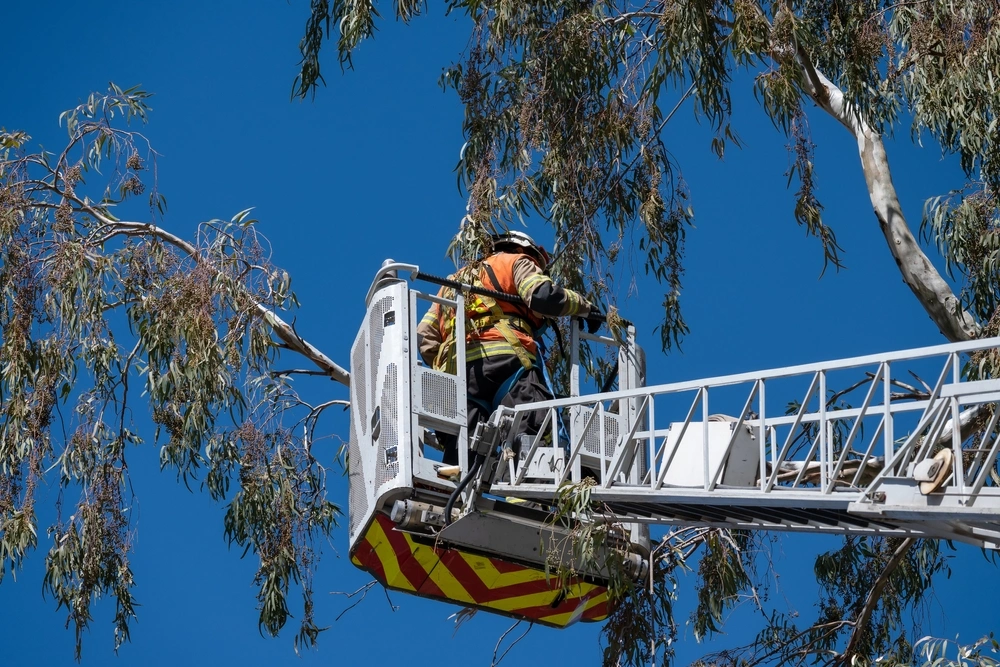
When homeowners search for tree lopping, they often imagine a simple trim. Councils, however, use the term differently. In most tree protection orders, lopping is treated as a harmful practice that can attract fines if carried out without approval.
Understanding what councils actually mean by tree lopping helps decide whether work on a tree is minor maintenance or regulated pruning that needs consent. It also avoids problems where a homeowner asks for a “lop”, and a council inspector later treats the work as illegal damage.
In most council policies, tree lopping refers to cutting large sections of the tree in a way that is not consistent with Australian Standard 4373 for pruning of amenity trees. It usually means removing the top of the tree or major limbs back to stubs rather than to a natural branch junction.
Typical features of tree lopping in council language include:
Because lopping ignores the tree’s natural structure, councils classify it as damaging or disfiguring a tree. This is why lopping is commonly listed alongside ringbarking, poisoning or removal in tree preservation rules.
Councils on the North Shore focus on tree health safety and streetscape character. They discourage lopping because it often leads to long-term problems rather than a safe, neat tree.
Improper lopping creates large wounds that the tree struggles to seal. This can allow decay fungi and pests to enter. Regrowth from lopped stubs is usually weakly attached, which increases the risk of branches tearing out in future storms. Removing too much foliage at once also stresses the tree and can eventually kill it.
From a visual point of view, lopped trees often look harshly reduced or misshapen. This conflicts with council strategies to maintain green leafy streets and canopy cover. For these reasons, many councils explicitly state that tree lopping is not an accepted pruning method and may only be allowed in very specific circumstances with written approval.
The work tree loppers carry out under council guidelines is generally described as pruning or canopy reduction rather than lopping. Approved pruning focuses on targeted cuts that respect the tree’s biology.
Differences include the following:
When homeowners contact experts asking for “tree lopping”, the team will usually clarify what result is desired, such as more light, reduced overhang or improved clearance. They can then advise whether this can be achieved through compliant pruning or whether the scope of work is likely to be regarded by the council as lopping or removal, which usually triggers the need for consent.
Councils make a clear distinction between light maintenance pruning and more substantial tree lopping that affects a tree’s structure or health. This difference usually determines whether a homeowner needs council approval before work starts. Understanding how councils draw that line helps property owners avoid fines, delays and unnecessary risk to their trees.
In general, minor pruning focuses on small branches and the outer canopy, while tree lopping involves cutting larger limbs, altering the tree’s natural shape or reducing its size. Loppers always assess planned work against local Tree Preservation Orders and Development Control Plans to confirm whether council consent is needed.
Most councils consider pruning to be minor if it is limited, targeted and does not change the overall size or structure of the tree. While each council’s Development Control Plan is slightly different, many use similar tests.
Minor pruning usually means:
A common rule of thumb is that up to 10% of the tree’s canopy can be pruned within 12 months without approval, as long as cuts are carried out to AS 4373 for pruning of amenity trees. Branch size matters too. Councils often expect minor pruning to involve smaller diameter branches rather than large structural limbs.
Councils generally see lopping as heavy cutting that shortens or removes major limbs or the top of the tree. It also often uses unsightly heading cuts. This type of work usually requires a formal application and written approval, except where a specific exemption applies.
Work is likely to be classed as tree lopping if it:
Examples include topping a tree to improve views, cutting back all overhanging limbs to the boundary without regard to structure or reducing a tree to below powerline height. Even if a homeowner views this as a trim, the council is likely to treat it as lopping and require consent.
Councils also look at where and why the work is being done. Work near heritage items or in conservation areas is more tightly controlled, and even modest pruning may need approval. The species, age and condition of the tree also matter. Protected native species and mature trees receive more scrutiny than small common exotics.
North Shore Tree Services always recommends checking the specific TPO for the relevant council area before any substantial work. If there is any doubt whether proposed works are minor pruning or lopping, arborists can provide a written assessment and help prepare a compliant council application if needed.
Council approval is often required before any tree lopping or removal can take place on a residential or commercial property. Approval requirements vary between local councils, but most regulate work on protected trees to preserve neighbourhood character and local biodiversity.
Arborists always check the relevant council controls before recommending any work. Owners should never assume they can remove or heavily prune a tree just because it is on their land. Doing so without approval can lead to fines, stop work orders and requirements to plant replacement trees.
North Shore councils use similar criteria to decide when permission is needed. Approval is typically required if:
In many council areas, even if the tree is unhealthy, an assessment or report from a qualified arborist is needed to support the application.
Some trees are specifically protected regardless of size. This often includes locally indigenous species, important habitat trees and trees with heritage or landscape value.
Examples of situations that usually require council consent include:
Even minor lopping can be restricted. Council may only allow selective pruning to Australian standards and often requires the work to be carried out by a qualified arborist.
Tree work connected to building or landscaping projects nearly always comes under council rules. Approval is generally required if:
Councils often want to see an arborist impact assessment as part of a development application. This report explains how construction will affect the tree and whether it can be retained with protection measures or must be removed.
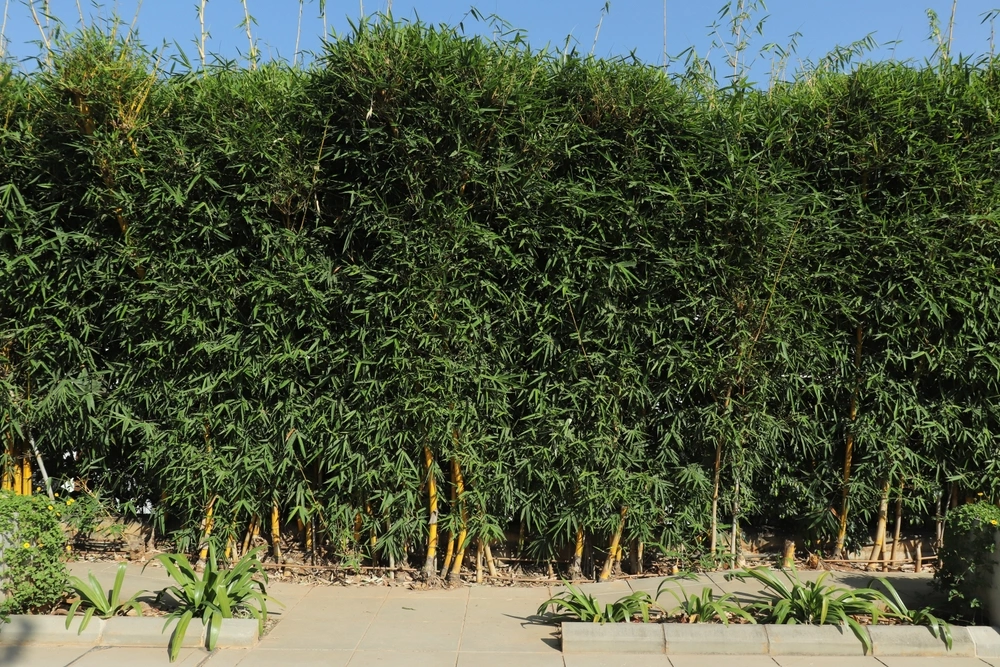
Homeowners are often surprised to learn that some tree work can legally be done without lodging a council application. Each council has its own rules, but most allow certain low‑risk or urgent tree lopping as exempt development. Knowing these common exemptions helps avoid delays while still keeping work compliant.
Tree loppers recommend checking the specific rules for the relevant council and any heritage or conservation controls on the property. However, there are several situations where approval is often not required.
Most councils allow urgent work on a tree without prior approval when there is an immediate risk to people or property. This usually covers situations such as:
The council typically allows the removal of only the dangerous part of the tree or the minimum work needed to make the site safe. Take clear photos before and after the work in case the council asks for evidence.
Most tree preservation rules apply only to trees above a certain height or trunk diameter. Saplings and smaller ornamental trees are often exempt, so basic lopping or removal may be allowed without approval.
Councils commonly permit:
These limits vary, so it is important to confirm the specific measurements in the local DCP or TPO. Over‑pruning beyond the allowed percentage can be treated as illegal lopping, even if some pruning is exempt.
Many councils publish a list of exempt tree species that can generally be lopped or removed without approval. These are typically fast‑growing weed species or trees known to cause structural or environmental problems. If a tree is on the council’s exempt list, approval is usually not required, provided the tree is not part of a heritage item or landscape area.
Some councils also allow removal or heavy pruning of trees that are very close to buildings or vital infrastructure. For example, if a tree is within a set distance of a dwelling or pool or is clearly damaging pipes, driveways or foundations, it may be exempt. Arborists can identify exempt species, measure distances and document root or structural damage so owners can rely on these provisions with confidence.
Emergency tree work is treated differently from general pruning or removal. In safety situations, council rules usually allow urgent tree lopping without prior approval, provided the work is limited to what is necessary to remove the immediate risk. Councils will expect the owner and contractor to be able to justify why the work was an emergency and may ask for evidence after the fact.
Arborists help handle time-critical situations in a way that keeps people safe while still complying with local tree preservation rules. Understanding what counts as an emergency and what records to keep can prevent fines or disputes later.
Councils exempt emergency work under their TPO, but only where there is an immediate threat to people or property. Typical examples include:
If the risk is long-term or relates only to inconvenience, such as leaves in gutters, it is unlikely to qualify as an emergency. In those situations, normal council approval rules generally still apply.
In true emergencies, councils allow necessary tree lopping or removal to proceed immediately without prior consent. However, this is not a free pass for unrestricted work.
The usual expectation is that only the unsafe parts of the tree are removed, and any additional non-urgent pruning or removals are dealt with later through the normal application process. If a tree must be completely removed to make the site safe, that is usually acceptable, but it should be clearly justified.
North Shore Tree Services recommends that owners:
Councils may ask for this information later, particularly if a neighbour complains or a significant tree has been removed.
For urgent situations, tree loppers focus on making the area safe, then on compliance. This usually means:
Where there is time, our office can help clients speak with council duty planners to confirm how their emergency exemptions work. This approach helps ensure safety-driven decisions are defensible and consistent with local regulations.
Lopping or removing a tree without the required council consent can lead to serious consequences. It is not treated as a minor paperwork issue. Councils treat protected trees as community assets, so unapproved work is often investigated and penalised.
Homeowners are usually surprised by how far council powers extend. Penalties can include fines, requirements to plant replacement trees and even legal action. Engaging a professional before any work is booked is the safest way to avoid problems.
Most councils classify unauthorised tree work as a breach of their TPO or DCP. If protected trees are lopped without approval, council officers can issue:
Where a tree has been damaged or removed, councils may treat it as a prosecutable offence. This can involve local court proceedings, legal costs and potential ongoing monitoring conditions attached to the property.
Unauthorised lopping rarely ends with a fine. Councils can also require the owner to rectify the impact of the work. This might include:
If the lopped tree becomes unstable because of poor or excessive pruning, the council can order the owner to make it safe at their own cost. This can mean paying again for corrective pruning or full removal, plus stump grinding and then replacement planting.
Unauthorised tree work can affect more than the immediate penalty. Councils keep records of infringements, and these can complicate future dealings with the property. If a tree is removed without consent to improve views or to make way for a future extension, the council may refuse or heavily condition development applications. They also require additional landscaping or tree planting as part of any new approval because of the earlier breach.
Visible poor-quality lopping can also reduce the visual appeal and long-term health of trees on the site. This can harm street appeal and may raise concerns during building inspections or pre-sale reports. Property owners avoid these long-term issues by checking approval requirements early and working with a qualified arborist.
In the end, the key message is simple: never assume you can lop or remove a tree without checking your council requirements first. Each local council has its own tree preservation rules, exemptions and approval processes. Various factors influence whether you’ll need formal consent. Failing to comply can lead not only to fines but also to safety risks and the unnecessary loss of valuable trees that add character, shade and value to your property. By taking the time to understand the regulations, keeping good records and seeking professional advice before any work is carried out, you protect yourself legally and ensure the right balance between safety, amenity and environmental responsibility. When in doubt, ask your council questions and engage a qualified, insured arborist who works to Australian standards and has experience dealing with local tree controls.