At North Shore Tree Services, we understand that a vibrant garden isn't just a feast for the eyes; it's a sanctuary for the local wildlife that graces our neighbourhoods here in Sydney. Trees, with their towering beauty and life-sustaining capabilities, play a pivotal role in creating an inviting environment for birds, insects, and other wildlife. Healthy trees not only enhance the aesthetic appeal and ecological balance of your garden but also serve as critical habitats for various species, contributing to biodiversity and the overall health of our ecosystem. Tree lopping in Sydney is an essential practice to maintain tree health and ensure they continue to support local wildlife.
We'll delve into the benefits of proper tree care, discuss the specific needs of different wildlife species, and provide practical tips on tree maintenance. From understanding the importance of native tree species and their unique relationships with local fauna to implementing effective tree care practices such as pruning, watering, and pest management. Whether you're a seasoned gardener or a novice nature enthusiast, enhancing tree health is a rewarding endeavour that fosters a closer connection to the natural world right in your backyard.
Trees are more than just a beautiful addition to your landscape—they are a fundamental part of a thriving ecosystem. When trees are well-maintained and healthy, they provide essential resources such as food, shelter, and breeding grounds for a diverse range of wildlife. From birds and pollinators to small mammals and insects, each species benefits from the unique habitat that trees create. By understanding how trees support biodiversity, you can make informed choices about tree care and species selection, fostering a garden that not only flourishes but also contributes to the health of local wildlife populations.
One of the most critical roles of trees in the ecosystem is providing shelter and nesting spaces for various species. The structure of a tree—its branches, foliage, trunk, and even its roots—offers a safe refuge from predators and harsh weather conditions.
Beyond shelter, trees serve as vital food sources, supporting a diverse range of species. The fruits, seeds, nectar, and leaves produced by trees contribute to the diet of birds, mammals, insects, and even soil-dwelling organisms.
Pruning and lopping are essential for maintaining tree health while also fostering a thriving wildlife habitat. When done strategically, these practices can enhance biodiversity by providing food, shelter, and nesting opportunities for birds, mammals, and insects. However, improper pruning can strip trees of vital resources, disrupting local ecosystems. By adopting smart pruning and lopping techniques, you can preserve the health of your trees while creating an environment that supports native wildlife.
Before undertaking any pruning, it’s important to consider the wildlife species that rely on trees for survival. In Sydney’s North Shore, native species such as rainbow lorikeets, possums, microbats, and native bees depend on trees for food, nesting sites, and shelter.
Understanding these habitat needs allows for more informed pruning decisions that enhance, rather than diminish, local ecosystems.
Not all trees require the same level of pruning, and some species are more integral to local wildlife than others. In Sydney, native trees such as Sydney Blue Gum, Banksia, Spotted Gum, and Eucalyptus are particularly valuable, providing food and shelter throughout the year.
When selecting trees for pruning, consider:
A wildlife-friendly garden includes multiple layers of vegetation, each serving a different ecological role. Strategic pruning can help maintain these layers while ensuring different species have suitable habitats.
By pruning selectively to allow light penetration while preserving dense foliage in key areas, you can encourage a dynamic habitat that supports a range of wildlife species.
Trees that maintain their natural shapes are more beneficial to wildlife than heavily lopped or artificially shaped trees. Over-lopping can result in unnatural regrowth that lacks the structure needed for nesting, while also reducing available food sources.
Maintaining natural tree formations through careful pruning supports strong, resilient growth while ensuring trees continue to provide essential habitat features.
Pruning at the right time of year helps protect wildlife while also benefiting tree health. Many native species nest in spring and early summer, making it important to schedule major tree work outside of these critical breeding months.
If pruning is necessary during the breeding season, always check for active nests, hollows, or wildlife presence before cutting and proceed with minimal disturbance.
Smart pruning techniques should enhance tree health while preserving wildlife habitat. The focus should be on selective removal rather than heavy trimming that alters the tree’s structure.
Key considerations include:
By employing thoughtful pruning practices, you can create a garden that supports biodiversity, tree longevity, and ecological balance, making your outdoor space a haven for native wildlife.

Native trees are essential for maintaining ecological balance and supporting local wildlife. Unlike introduced species, native trees have evolved alongside the animals, birds, and insects of their region, forming deep-rooted relationships that sustain entire ecosystems. Their ability to thrive in local soil and climate conditions makes them an ideal choice for gardeners looking to attract and support biodiversity. By incorporating native trees into your landscape, you can create a self-sustaining habitat that provides food, shelter, and nesting opportunities for countless species.
Native trees serve as the foundation of Sydney’s natural ecosystems, shaping the biodiversity of the region. Over thousands of years, these trees have adapted to the unique environmental conditions of the area, making them highly resilient to local weather patterns, soil types, and seasonal changes. More importantly, they offer irreplaceable resources for wildlife, including nectar-rich flowers for pollinators, foliage for herbivorous insects, and sturdy branches that provide shelter.
By planting native trees, you are not only enhancing the beauty of your garden but also contributing to the conservation of local species that depend on these trees for survival. From providing food to creating natural shelters, native trees play a crucial role in fostering a balanced and sustainable ecosystem.
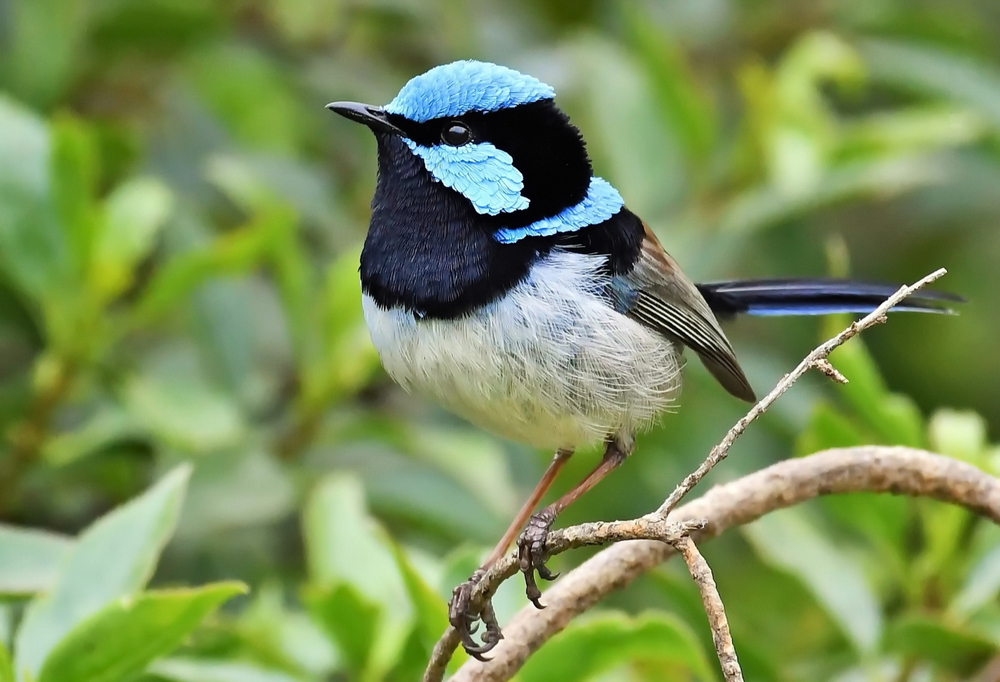
One of the biggest advantages of native trees is their ability to provide a natural habitat for wildlife. Birds, mammals, and insects instinctively seek out native trees for shelter, nesting, and protection from predators. Some of Sydney’s most recognisable bird species, such as the Rainbow Lorikeet and Superb Fairy-wren, depend on trees like Eucalyptus, Banksia, and Casuarina for nesting sites and food sources.
Unlike exotic trees, which may lack the structural features necessary for wildlife habitation, native species often develop hollows, dense foliage, and textured bark, creating microhabitats that suit different species. These hollows, which can take decades to form, provide essential nesting spaces for parrots, microbats, and possums, while rough bark and leafy canopies offer shelter to insects, reptiles, and small mammals. By preserving or planting native trees, you enhance the availability of these critical wildlife refuges.
Native trees serve as a primary food source for local wildlife, producing nectar, pollen, fruits, seeds, and foliage that sustain a diverse range of species. Many birds, mammals, and insects have evolved to depend on specific native trees for nutrition, and introducing these trees into your garden helps maintain natural feeding cycles.
By planting a variety of native trees, you ensure a consistent supply of food throughout the year, supporting wildlife even in harsh seasons when other resources are scarce.
Pollinators play a crucial role in maintaining both natural ecosystems and cultivated gardens. Native trees provide essential nectar and pollen for native bees, butterflies, moths, and even small mammals like nectar-feeding bats. Without these pollinators, the reproduction of many plant species—including food crops—would decline.
By fostering an environment rich in native trees, you create a pollinator-friendly habitat, ensuring the long-term health of your garden while supporting the wider ecosystem.
A garden rich in biodiversity is healthier, more resilient, and visually dynamic throughout the year. Native trees play a key role in attracting and sustaining a wide range of species, from birds and mammals to insects and soil-dwelling organisms. The more diverse your plant selection, the greater the variety of wildlife your garden can support.
The presence of native trees strengthens entire food chains, ensuring that even the smallest organisms, such as fungi and decomposers, play their part in maintaining a balanced ecosystem.
Non-native trees and plants can sometimes become invasive, competing with indigenous species for space, water, and nutrients. Some exotic trees may even disrupt local food chains by failing to provide appropriate food sources for wildlife.
By choosing native trees over exotic species, you help preserve the natural ecological balance, ensuring that the flora and fauna in your garden coexist in harmony.

A healthy tree is far more than just a landscape feature—it functions as a self-sustaining food hub that supports a vast network of wildlife. Every part of a tree contributes to the ecosystem, from its leaves and flowers to its bark, branches, and roots. Birds, mammals, and insects all depend on trees for their survival, whether it’s for the nectar-rich blooms that fuel pollinators, the fruits and seeds that nourish parrots and possums, or the dense foliage that shelters nesting birds. Even decomposing leaves and fallen wood play a crucial role in the natural cycle, enriching the soil and supporting insects that form the base of the food chain.
By maintaining healthy trees and incorporating a variety of native species into your garden, you can create an abundant, self-sustaining environment that attracts diverse wildlife while reinforcing the balance of the ecosystem.
Many native trees produce fruit at different times of the year, ensuring that wildlife has access to a reliable food supply across the seasons. Unlike exotic species that may fruit inconsistently or fail to attract native animals, Australia’s indigenous fruit-bearing trees have evolved alongside local birds and mammals, providing them with the nutrients and energy they require to thrive.
Flowering trees not only add beauty to the landscape but also serve as an invaluable food source for nectar-feeding birds, bees, butterflies, and bats. These trees drive pollination, ensuring the continued reproduction of native plants while supporting the survival of vital pollinators.
Beyond their nectar and fruit, many trees provide protein-packed seeds and nuts that are a staple in the diets of birds, small mammals, and even reptiles. These energy-dense food sources help sustain wildlife during colder months, when other food may be scarce.
Healthy trees don’t just feed wildlife directly—they also create an environment that supports a vast array of insects, which, in turn, serve as a crucial food source for insectivorous birds, bats, and reptiles.
A tree’s role in the ecosystem goes beyond providing food—it also offers shelter, nesting sites, and protection from predators and extreme weather. Without healthy trees, many species would struggle to survive.
Tree lopping, when done correctly, is a vital practice for maintaining tree health, preventing the spread of pests and diseases, and ensuring that trees continue to provide food and shelter for wildlife. Unlike indiscriminate cutting, which can weaken a tree’s defences, proper lopping involves selectively removing branches that are damaged, diseased, or structurally weak. This promotes healthier regrowth, improves air circulation, and helps trees resist infestations and infections naturally. By carefully managing tree lopping, you can strike a balance between maintaining tree vitality and supporting the surrounding ecosystem.
Not all lopping methods are beneficial to trees. Excessive or aggressive lopping, sometimes referred to as topping, involves the indiscriminate removal of large sections of a tree’s canopy. This weakens the tree, making it more vulnerable to disease and structural failure. Improper lopping can also reduce a tree’s ability to photosynthesise, leading to stress and stunted growth.
Proper lopping, on the other hand, is focused on targeted branch removal to enhance tree health without compromising its structure. The goal is to eliminate potential entry points for pests and diseases while ensuring the tree remains a functional part of the ecosystem, providing habitat and resources for wildlife.
Trees are naturally resilient to pests, but when they become weakened due to injury, decay, or overcrowded growth, they become susceptible to infestations. Damaged or diseased branches provide ideal breeding grounds for borers, scale insects, caterpillars, and termites, which can quickly spread throughout the tree and into neighbouring vegetation.
By regularly inspecting and lopping unhealthy branches, you can disrupt the life cycles of destructive insects before they become a larger problem. Deadwood, in particular, is a common nesting ground for pests, and removing it prevents infestations from taking hold.
In addition to eliminating pest-prone areas, lopping also encourages the presence of natural predators such as insect-eating birds, including magpies, kookaburras, and willie wagtails. These birds help control insect populations, reducing the need for chemical pest management.
Fungal and bacterial infections can spread rapidly through a tree, weakening its ability to transport water and nutrients. Diseases such as powdery mildew, black spot, canker, and dieback thrive in damp, congested canopies where airflow is limited.
Proper lopping helps mitigate these risks by removing infected branches before the disease can spread further. This not only protects the affected tree but also prevents infections from reaching surrounding vegetation.
Improved air circulation is another critical benefit of strategic lopping. When a tree’s canopy is too dense, it traps moisture, creating the perfect environment for fungal spores to thrive. By thinning select branches, more sunlight and airflow reach the inner sections of the tree, naturally drying out areas where diseases could develop.
Weak or overgrown branches pose a significant risk, especially during storms or strong winds. A tree with heavy, unbalanced limbs is more likely to suffer breakage, which not only damages the tree but also creates entry points for pests and infections.
Regular lopping improves a tree’s structural stability by removing hazardous branches before they fail. Trees that are properly maintained develop stronger branch formations and more balanced growth, making them less likely to experience storm damage.
For wildlife that depends on trees for shelter, sudden branch failure can be devastating. Birds, possums, and other arboreal animals rely on stable canopies for nesting and protection. Ensuring trees remain structurally sound helps maintain safe habitats for these species.
One of the most important considerations when lopping trees is preserving their role as habitats for wildlife. Birds such as lorikeets, rosellas, and honeyeaters rely on mature trees for nesting, while mammals like sugar gliders and microbats use dense canopies for shelter. Careful lopping ensures that trees continue to serve these ecological roles.
Rather than removing large sections of a tree’s canopy, it’s best to thin or selectively shape branches while leaving vital habitat features intact. Retaining natural hollows, for example, is crucial since they provide nesting sites for many bird species and take decades to form.
Lopping should also be timed carefully to avoid disturbing nesting seasons. Many native birds breed in spring and early summer, so major tree work should ideally be scheduled outside of these periods to prevent unnecessary disruption.
Sustainable tree care focuses on promoting resilience rather than short-term fixes. Trees that undergo excessive lopping often experience rapid, weak regrowth, which is more susceptible to pests and disease. Instead of cutting too aggressively, gradual and selective lopping allows trees to heal properly and develop strong, natural defences.
Another advantage of sustainable lopping is its role in reducing reliance on chemical treatments. Trees that are maintained through thoughtful, proactive care are less likely to require pesticides or fungicides, as they naturally resist infestations and infections. By fostering a self-sustaining ecosystem where trees, insects, and wildlife thrive together, gardeners can create a landscape that requires minimal human intervention.
Trees play a significant role in maintaining soil stability and fertility. Their roots prevent erosion, while their fallen leaves and organic matter enrich the soil. Poorly managed lopping, particularly over-lopping, can lead to a decline in soil health by reducing the amount of organic material returned to the ground.
Sustainable lopping supports natural soil enrichment by allowing leaves, small branches, and organic debris to break down naturally. This process feeds beneficial soil microbes and fungi, which in turn help trees absorb nutrients more effectively. Additionally, retaining some fallen logs or branches in a safe location can create valuable microhabitats for insects and small animals.
Lopping not only benefits trees but also influences the overall health of a garden by improving sunlight penetration. Many understory plants, shrubs, and ground covers struggle to thrive under dense canopies that block out light. By selectively removing overcrowded branches, more sunlight reaches lower-growing plants, enhancing photosynthesis and promoting healthier growth throughout the garden.
Sunlight also serves as a natural disinfectant, helping to control moisture-related plant diseases. In areas prone to fungal issues, increasing light exposure through careful lopping can reduce the need for fungicides and create a more balanced growing environment.
While some tree maintenance can be done at home, working with a qualified arborist ensures that lopping is performed safely and effectively. Arborists have the expertise to assess tree health, identify disease risks, and determine the best approach for maintaining structural integrity. They also understand how to balance tree care with habitat conservation, ensuring that trees remain valuable to local wildlife.
Improper lopping techniques, such as cutting too close to the trunk or leaving jagged wounds, can cause long-term harm to a tree. Arborists use professional-grade tools and precision cutting methods to encourage healthy regrowth and prevent unnecessary damage.
Beyond supporting wildlife and preventing pests and diseases, proper tree care and lopping contribute significantly to the broader environmental health of an area. Trees play an essential role in regulating local climate, improving air and water quality, and sustaining soil health. By maintaining strong, resilient trees through thoughtful care, we not only protect the immediate ecosystem but also enhance the environmental stability of the surrounding landscape.
Healthy trees serve as natural air purifiers, filtering pollutants from the atmosphere while producing oxygen. Through their leaves and bark, trees absorb harmful airborne particles, including dust, carbon dioxide, and nitrogen oxides, helping to improve air quality, especially in urban areas. They also act as carbon sinks, absorbing and storing carbon dioxide from the atmosphere, which helps mitigate the effects of climate change. Properly maintained trees grow stronger and live longer, increasing their ability to capture carbon over time.
When trees are neglected or become diseased, their ability to absorb pollutants diminishes. Sustainable lopping helps trees retain their health and continue functioning as effective air filters. By preventing the spread of disease and promoting healthy regrowth, trees can remain efficient in their role of improving air quality.
In urban and suburban environments, trees play a vital role in temperature regulation. The shade they provide helps cool the surrounding area, reducing heat absorption by roads, buildings, and other surfaces. This effect, known as urban heat island reduction, is particularly important in cities like Sydney, where summer temperatures can be extreme. When trees are over-lopped or removed without consideration, their cooling effect diminishes, leading to hotter and less comfortable environments for both wildlife and people.
Properly maintained trees create cool microclimates, making gardens and outdoor spaces more hospitable for birds, mammals, and insects. Canopy cover also helps retain soil moisture, reducing the need for additional watering and promoting healthier plant growth. Strategic lopping ensures that trees remain healthy and well-shaped while continuing to provide the climate-regulating benefits that urban environments depend on.
One of the lesser-known environmental benefits of trees is their role in preventing soil erosion and maintaining water quality. Tree roots stabilise the ground, preventing soil from being washed away during heavy rain. This is particularly important in areas prone to runoff, where soil displacement can lead to nutrient loss and sediment build-up in local waterways.
Additionally, trees act as natural water filters, absorbing excess nutrients and pollutants before they reach rivers and streams. Sustainable lopping ensures that tree roots remain strong and capable of preventing erosion, while also allowing for understory plant growth that further supports water retention. When trees are improperly pruned or left unchecked, they may become structurally weak, increasing the risk of soil degradation and water contamination.
As urban development continues to expand, maintaining a balanced relationship between infrastructure and natural spaces becomes increasingly important. Proper tree care helps integrate green spaces into developed areas, ensuring that trees remain an integral part of residential and commercial landscapes.
Strategic lopping ensures that trees grow in a way that is compatible with buildings, power lines, and pedestrian spaces, reducing conflicts while preserving canopy cover and ecological benefits. Encouraging native tree species in urban environments also supports pollinators and local wildlife, helping to counteract the loss of natural habitats due to land clearing.
By prioritising sustainable tree care, homeowners and land managers contribute to a healthier, more resilient environment. Thoughtful lopping extends the lifespan of trees, allowing them to continue providing environmental benefits for decades. It also reduces the need for tree removals, preserving mature trees that have established strong ecological connections.
Maintaining trees through proper lopping and care is about more than aesthetics or safety—it’s a long-term commitment to fostering a thriving, self-sustaining ecosystem. By protecting air quality, regulating climate, stabilising soil, and enhancing biodiversity, sustainable tree management plays a crucial role in ensuring that natural landscapes continue to benefit both wildlife and human communities well into the future.
Sustainable tree care and strategic lopping are essential for maintaining healthy, resilient trees that support wildlife, prevent the spread of pests and diseases, and enhance the overall stability of the environment. Trees are not just decorative elements in a landscape—they are vital components of an ecosystem, providing shelter, food, and climate regulation while improving air and water quality.
By adopting responsible lopping practices, we can protect tree health while ensuring they continue to serve as habitats for birds, mammals, and pollinators. Thoughtful tree management helps maintain biodiversity, reduces the need for chemical treatments, and strengthens the natural defences of trees against disease and environmental stress. At the same time, well-maintained trees play a crucial role in reducing urban heat, stabilising soil, and filtering pollutants, making them indispensable to both natural and developed landscapes.
Ultimately, the key to effective tree management lies in balance—removing only what is necessary to promote strong, stable growth while preserving the ecological functions that trees provide. Whether in private gardens, urban green spaces, or bushland reserves, prioritising long-term tree health ensures that they continue to benefit both wildlife and human communities for generations to come.