Sydney’s hot summers and increasingly frequent heatwaves are placing growing pressure on trees across the North Shore. For homeowners and property managers, trees do far more than shape the look of a garden. They provide shade, reduce heat around the home and contribute to the character and comfort of the landscape. When extreme heat sets in, however, trees can suffer from moisture loss, leaf scorch and long-term decline that is not always obvious straight away. At North Shore Tree Services, this is something seen more often as prolonged heat and dry conditions begin to affect even well-established trees.
This article explains how heatwaves and ongoing climate stress affect trees in Sydney, what early warning signs to look for and what practical steps can help reduce damage. It covers watering, mulching, soil care and pruning, along with the situations where professional assessment becomes important before decline turns into branch failure or costly removal. With the right approach, mature trees are far better placed to cope with hot conditions and recover more effectively after periods of stress.
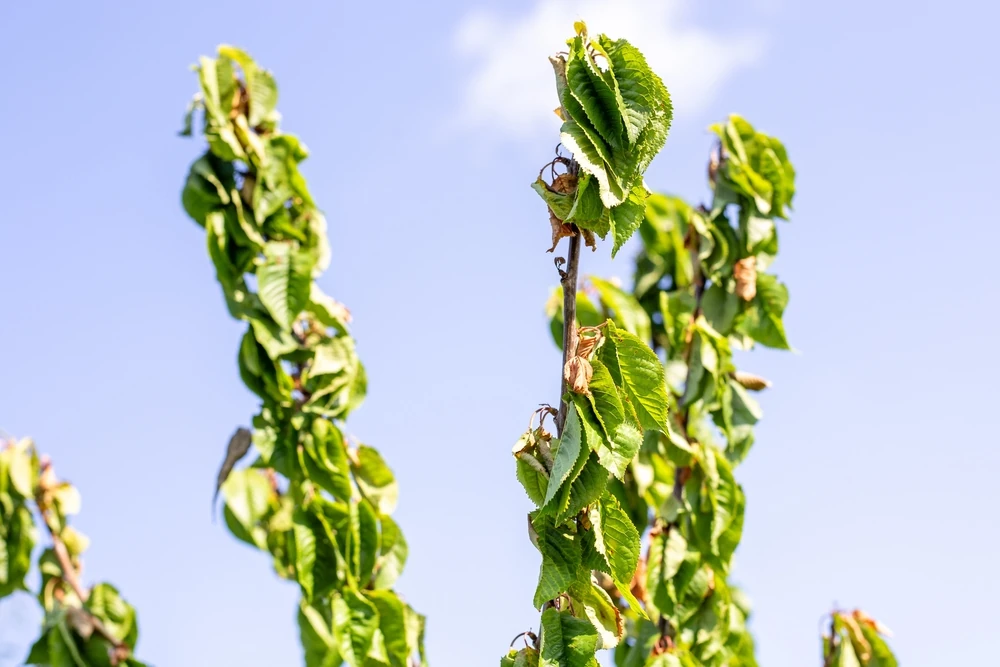
Sydney’s climate is becoming hotter, drier and less predictable, placing increasing strain on both native and exotic trees. Heatwaves are becoming more frequent, and rainfall is often arriving in intense bursts rather than in the slower, steadier patterns trees have historically relied on. This affects how roots access water, how foliage copes with heat and how well trees can defend themselves against pests, disease and structural decline.
Trees on the North Shore and across Greater Sydney are now growing in conditions that are often quite different from those in which they first established. Mature trees in particular can struggle to adapt quickly, which can lead to canopy thinning, dieback and a higher risk of limb failure during storms or prolonged heat.
Hot days above 35°C are becoming more common in Sydney, and extended heatwave conditions place significant stress on trees. High temperatures, dry winds and intense sunlight cause trees to lose water through their leaves faster than their roots can replace it.
This can lead to:
Urban heat island effects make conditions even harder for trees in built-up areas. Trees surrounded by paving, walls, roofs and other heat-retaining surfaces often experience higher temperatures than those growing in more open or shaded landscapes.
Rainfall patterns are also changing. Heavy downpours are often followed by long dry periods, which means water may run off hard or sloping ground rather than soaking deeply into the root zone. Trees can then move quickly from short-term waterlogging to prolonged dryness.
This creates several challenges:
Trees that once relied on reasonably stable soil moisture are now being exposed to repeated cycles of stress, which can gradually reduce canopy density, vigour and resilience.
Climate stress is often made worse by changes to the surrounding site. Across Sydney, construction, paving, drainage changes and soil compaction are placing additional pressure on trees that are already dealing with hotter and drier conditions.
Common site changes that increase stress include:
When these issues combine with repeated heatwaves, even mature and previously resilient trees can begin to decline.
Heat and drought damage can begin subtly, especially in species that are naturally hardy or slow to respond. Recognising the early signs makes it easier to step in before a tree loses major limbs, suffers extensive dieback or becomes structurally unsafe.
Foliage is often the first place stress shows up. Leaves may lose their natural sheen, appear dull or develop a tired, greyish cast. In some species, leaves may wilt slightly through the hottest part of the day and recover only partially overnight.
Marginal scorch is another common sign. This appears as browning or crisping around the edges of leaves while the centre stays green. In more advanced cases, whole leaves may become brittle or drop earlier than expected.
Premature leaf drop is particularly important to watch for. If a tree starts shedding foliage in the middle of summer without a normal seasonal reason, it is often trying to reduce demand on a stressed root system.
A canopy that starts to look thinner than usual can be a sign of ongoing moisture stress. Small inner twigs may die back first, leaving foliage concentrated at the ends of branches. Over time, the canopy can become patchy and uneven.
New growth can also reveal problems early. Shoots may be shorter than usual, leaves may be undersized and tender growth may wilt or dry off at the tips. In severe cases, bark on newly exposed branches may suffer sunscald, especially where previous foliage has dropped away and left the surface exposed to harsh western sun.
The root zone often reveals stress before the canopy does. Soil that is hard, cracked, dusty or pulling away from the surrounding area is a strong sign that moisture is not reaching the feeder roots properly.
Mulch can also be misleading. It may look fresh on the surface while the soil beneath remains dry. Checking below the top layer gives a much more reliable picture of whether water is actually penetrating to the root zone.
During a heatwave, watering needs to do more than just dampen the surface. The aim is to deliver enough moisture into the active root zone to help the tree cope with sustained heat and moisture loss.
Shallow, frequent watering usually does not help much. It encourages roots to stay close to the surface, where they are more exposed to drying and temperature extremes. Deep, slow watering is generally far more effective.
During periods of extreme heat, young or newly planted trees usually need water more often than mature trees. Established trees often benefit more from deep watering at longer intervals than from small daily amounts.
As a general guide:
Morning is usually the best time to water. This allows moisture to soak in before the hottest part of the day and reduces evaporation losses.
The goal is slow infiltration rather than runoff. Water should be applied across the root zone, not just at the base of the trunk.
Useful methods include:
Water should reach the area under and just beyond the drip line, where many of the feeder roots are active. Concentrating all watering at the trunk is far less effective.
Soil type affects how water behaves. Sandy soils drain quickly and often need more frequent watering. Clay soils hold moisture longer but usually need water applied more slowly so it can soak in rather than running off the surface.
Mulch helps improve the effectiveness of watering by reducing evaporation and keeping soil temperatures more stable. Without mulch, a lot of the benefit of watering can be lost quickly during extreme heat.
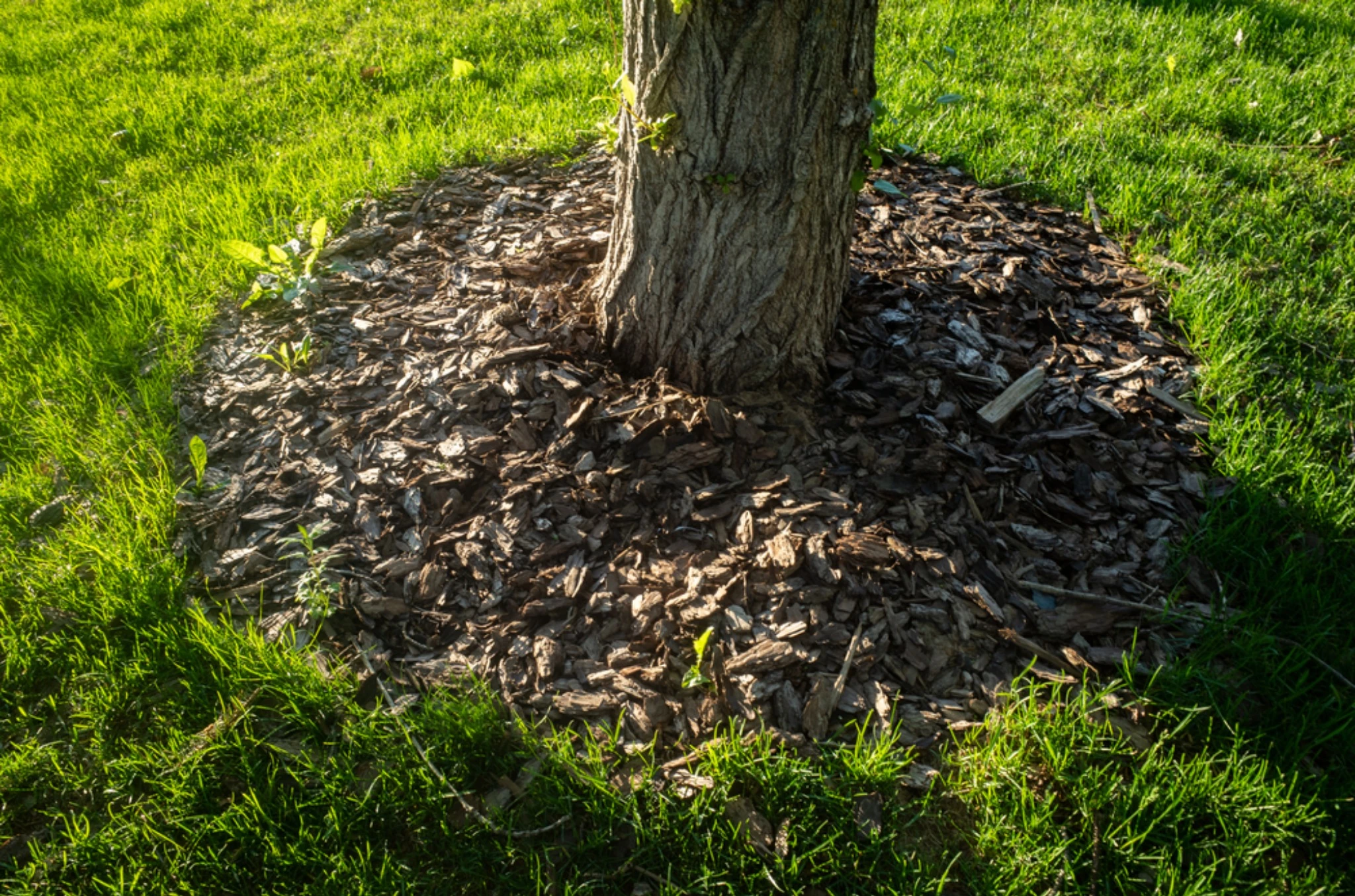
Good soil care and effective mulching are some of the most important defences against heat stress. Many fine feeder roots sit close to the soil surface, making them especially vulnerable to drying, overheating and compaction.
Coarse organic mulches are usually the best option for trees in Sydney conditions. They help insulate the soil, slow evaporation and allow water and air to move more freely into the root zone.
Suitable options include:
Very fine mulches can compact and repel water, while rock or pebble mulches tend to absorb and radiate heat, making conditions harsher around the tree.
Mulch needs to be applied properly to be effective. Too little offers limited benefit, while too much or mulch piled against the trunk can create moisture and disease issues.
For most trees, a mulch depth of around 7 to 10 cm is appropriate. It should extend as widely as practical across the root zone and be kept clear of the trunk to prevent collar problems.
Mulch works best when the underlying soil can actually accept and hold moisture. Compacted soils often shed water, while sandy soils can dry out too quickly.
Soil structure can be improved over time with:
The aim is to create a root environment that holds moisture longer and supports better oxygen exchange and root activity.
Pruning can help trees cope better with long-term stress, but only when it is done carefully and for the right reasons. Poor pruning can make heat damage worse by exposing bark, increasing water loss and creating large wounds at the wrong time of year.
Thoughtful structural pruning can help trees by improving branch spacing, reducing weak attachments and removing dead or defective material that places extra strain on the tree.
Done properly, pruning can:
Excessive pruning is one of the quickest ways to make a stressed tree worse. Removing too much canopy reduces the tree’s ability to photosynthesise and regulate temperature, while suddenly exposing inner limbs and trunk sections can lead to sunburn and further decline.
Large cuts can also become entry points for decay, especially on mature trees already under pressure from heat or drought.
In Sydney conditions, most planned structural pruning is better carried out during the cooler parts of the year. This reduces the risk of additional heat stress and limits sun exposure on freshly opened sections of the canopy.
Summer pruning is best limited to urgent hazard management, deadwood removal or genuinely necessary corrective work.
Professional assessment becomes important when signs of heat stress begin to overlap with structural concerns. Catching problems early is usually safer, more practical and far less expensive than dealing with storm damage or emergency removals later.
Some signs point to more than just seasonal stress. These include:
These problems may indicate that the tree’s structural integrity is being affected, not just its appearance or vigour.
Trees should also be assessed after nearby excavation, drainage changes, significant soil disturbance or major storms. Damage to roots and lower trunk areas may not show up immediately, but it can weaken the tree over time and increase the risk of delayed failure.
After storms, any hanging branches, torn limbs, opened bark unions or sudden changes in canopy shape should be inspected promptly.
Protecting trees from heatwaves and long-term climate stress requires more than reactive watering during very hot weather. Long-term resilience comes from good soil care, proper mulching, sensible pruning, protection of the root zone and early attention to warning signs before decline becomes advanced.
For Sydney properties, especially across the North Shore, a proactive approach helps preserve canopy cover, maintain shade and reduce the likelihood of avoidable losses during extreme weather. When trees begin to show signs of stress, timely advice from a qualified arborist can make the difference between straightforward management and a far more serious problem later on.