Disagreements about trees in Sydney can quickly turn awkward when they involve shared boundaries or concerns about damage and safety. At North Shore Tree Services, we often see these issues start small but escalate because homeowners feel unsure about their rights or worry about making the situation worse. Seeking clear information early and understanding when professional tree removal in Sydney may be required can help prevent long-term stress and protect relationships with neighbours.
Trees add value through shade and character, but they also come with responsibilities that many property owners do not fully understand. When everyone knows where they stand and what steps are appropriate, even difficult conversations become easier. Addressing concerns properly from the outset saves time and money while avoiding unnecessary conflict.
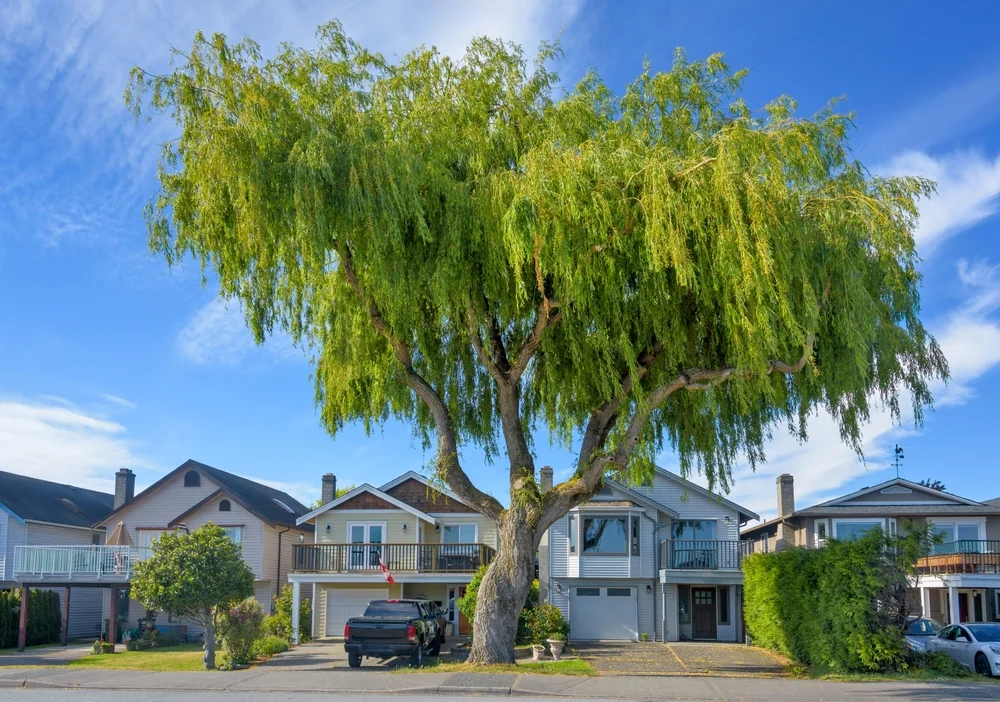
Understanding your legal position helps remove guesswork and emotion from tree-related disagreements. Local rules set out clear responsibilities around ownership or care and what actions are allowed near boundaries. When these basics are clear, it becomes much easier to discuss solutions with neighbours without arguments or assumptions.
Many disputes escalate because one party believes they have rights that do not actually apply. Taking the time to learn the rules protects you from accidental breaches and gives you confidence when raising concerns. It also shows your neighbour that you are acting fairly and responsibly.
Ownership usually sits with the property where the base of the trunk grows, even if branches or roots cross into another yard. That owner holds responsibility for general care and managing risks linked to the tree’s condition. Knowing this early helps avoid incorrect demands or unrealistic expectations between neighbours.
Branches crossing property lines are a common trigger for disputes and confusion. The law allows limited action but also places clear boundaries on what is acceptable. Knowing these limits prevents well-intentioned actions from turning into legal problems.
Some trees are protected under local controls that restrict removal or heavy pruning. These rules often surprise people and can complicate disputes if ignored. Understanding protection status early avoids fines and further disagreements.
Most disputes do not begin with bad intentions but with frustration that builds over time. Small issues like leaf drop or shade can slowly turn into resentment when left unspoken. Understanding the usual triggers helps address problems before they reach a breaking point.
People often feel unsure whether their concerns are valid or fear damaging neighbourly relationships. This delay can allow minor problems to become emotionally charged. Clear communication paired with accurate information reduces this tension.
Everyday impacts are the most frequent cause of complaints between neighbours. These issues often feel personal because they affect comfort and property value. Addressing them early keeps discussions practical rather than emotional.
Safety concerns change the tone of a dispute and require quicker action. Leaning trunks or large dead limbs raise understandable worry. These situations benefit from calm assessment rather than assumptions.
Many disputes escalate simply because neighbours stop talking openly. Silence allows assumptions to replace facts. Restoring communication often solves more than the three issues themselves.
Starting the conversation the right way sets the tone for everything that follows. A calm and respectful approach encourages cooperation rather than defensiveness. Timing and language matter more than most people realise.
Approaching the issue as a shared problem rather than a personal complaint helps build trust. Showing willingness to listen creates space for compromise. This approach often leads to quicker and cheaper solutions.
The way concerns are raised can either open doors or shut them quickly. Staying factual keeps emotions in check. A calm tone signals that you want resolution rather than conflict.
Written notices help clarify concerns without confrontation. They also create a record if the issue needs escalation later. Keeping language simple prevents misunderstandings.
Context matters when raising sensitive topics. A rushed or public setting can derail good intentions. Choosing the right moment increases the chance of a positive outcome.
Many disputes worsen when someone acts without understanding their limits. Good intentions do not excuse unauthorised work. Knowing what actions are allowed protects you from legal and neighbourly fallout.
Clear boundaries help manage expectations on both sides. Acting within these limits keeps solutions lawful and fair. When in doubt, it is safer to pause and seek advice.
Limited self-help rights exist, but they come with conditions. Respecting these rules avoids costly mistakes. Careful pruning protects both properties.
Some situations go beyond simple trimming. Larger actions often require formal approval. Ignoring this can lead to fines or legal action.
Not all disputes resolve through conversation alone. External help provides structure when talks stall. Knowing where to turn saves frustration and wasted effort.
Formal options exist to balance rights and responsibilities. These processes aim for fair outcomes rather than punishment. Using them early can prevent long-term disputes.
Councils play a specific role that many misunderstand. They focus on compliance rather than personal disputes. Knowing this avoids misplaced expectations.
Mediation and tribunal options provide structured resolution. These services aim to reduce stress and legal costs. They offer neutral guidance when talks break down.
Escalation is sometimes necessary to protect property or safety. Recognising this early avoids drawn-out tension. Formal steps should be seen as resolution tools rather than threats.
Professional input removes guesswork and personal bias. An independent assessment often diffuses tension. It shifts discussions from opinions to facts.
Qualified advice helps ensure safety and compliance. It also reassures neighbours that decisions are not arbitrary. This step often saves money by preventing unnecessary work.
Written assessments provide clarity and authority. They help all parties understand real risks and options. This reduces emotional debate.
Proper execution matters as much as the decision itself. Unsafe work creates new problems. Professional handling protects people and property.
Beyond immediate fixes, professional guidance builds trust. It shows commitment to fair outcomes. This approach supports ongoing harmony.
Resolving tree disputes comes down to understanding responsibilities and acting within the rules. Calm discussions backed by accurate information often prevent minor issues from turning into major conflicts. When everyone feels heard and informed, outcomes tend to be fair and lasting.
When professional support is needed, involving experienced help ensures safety and compliance while reducing stress for everyone involved. North Shore Tree Services knows that the right advice at the right time protects both properties and relationships. Taking a thoughtful approach today can prevent years of unnecessary tension tomorrow.