Caring for the trees on your property can be surprisingly simple while still making a real environmental difference. Even small, mindful habits can reduce waste, conserve water and keep your landscape healthier for the long term. Many homeowners exploring tree services in Sydney are surprised to learn how small changes can reduce their environmental footprint. At North Shore Tree Services in Sydney, we’ve seen how simple, everyday adjustments in tree care can preserve resources, support stronger growth and create more resilient outdoor spaces. With the right approach, tree care becomes not just maintenance but a practical contribution to a greener community.
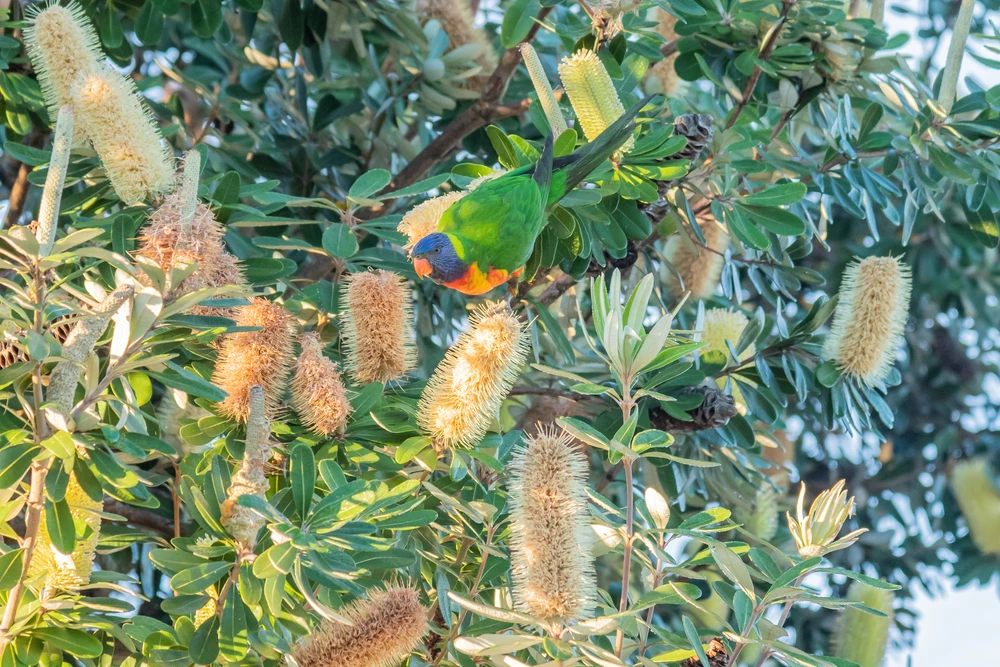
Choosing the right trees from the beginning is one of the easiest ways to minimise environmental impact. When a tree naturally thrives in its environment, it requires less watering, fewer interventions and minimal long-term maintenance. For homeowners, picking species suited to local conditions ensures long-term health while avoiding unnecessary strain on water and soil resources.
Climate-ready and native trees have evolved to handle the temperature, rainfall and soil conditions of your region, which means they require far fewer inputs to stay healthy. They naturally resist local pests, tolerate heatwaves and cope better with prolonged dry periods. By planting species aligned with the local environment, you not only save time and money but also reduce reliance on fertilisers, pesticides and constant irrigation. Some key benefits include:
Sydney’s climate offers plenty of options for low-maintenance and environmentally friendly tree species. Coastal conditions can be challenging, which is why selecting hardy trees makes all the difference. These species thrive with little effort, making them ideal for homeowners who want an eco-friendly garden without intensive upkeep. Here are some great choices you might want to consider:
Beyond saving effort, the right species supports the long-term sustainability of your landscape. Healthy, climate-appropriate trees live longer, reduce the need for removals and help stabilise the surrounding soil. Their deep roots help manage water runoff, while their strong canopy provides shade that reduces heat around your home. Over time, one well-chosen tree can offset thousands of litres of water, minimise chemical use and offer decades of environmental value.
Pruning is essential for tree health, but simple adjustments to technique can greatly reduce environmental impact. Instead of heavy and aggressive pruning, a more strategic approach protects the tree, reduces waste and minimises disturbance to surrounding plants. These simple refinements make tree care safer, more efficient and kinder to the surrounding environment.
Low-impact pruning focuses on preserving natural structure, removing only what’s necessary and working with the tree’s natural growth patterns. This approach reduces stress on the tree, minimises green waste and supports healthier regrowth. Anyone, from beginners to experienced gardeners, can adopt these habits with little effort. Some easy practices include:
When pruning, homeowners often overlook the impact on surrounding garden areas. Fallen branches, equipment and foot traffic can compact soil, damage root systems and disturb delicate plant beds. Being mindful of how you move and work helps preserve the health of everything around the tree, not just the tree itself. Best ways to protect the surrounding landscape:
Thoughtful pruning reduces waste, limits stress on the tree and helps maintain strong natural growth. When trees stay healthy, they require fewer corrective works, meaning fewer resources, less labour and lower environmental impact overall. Proper pruning also encourages trees to develop stronger limbs and deeper roots, which support soil health, biodiversity and long-term ecosystem stability.
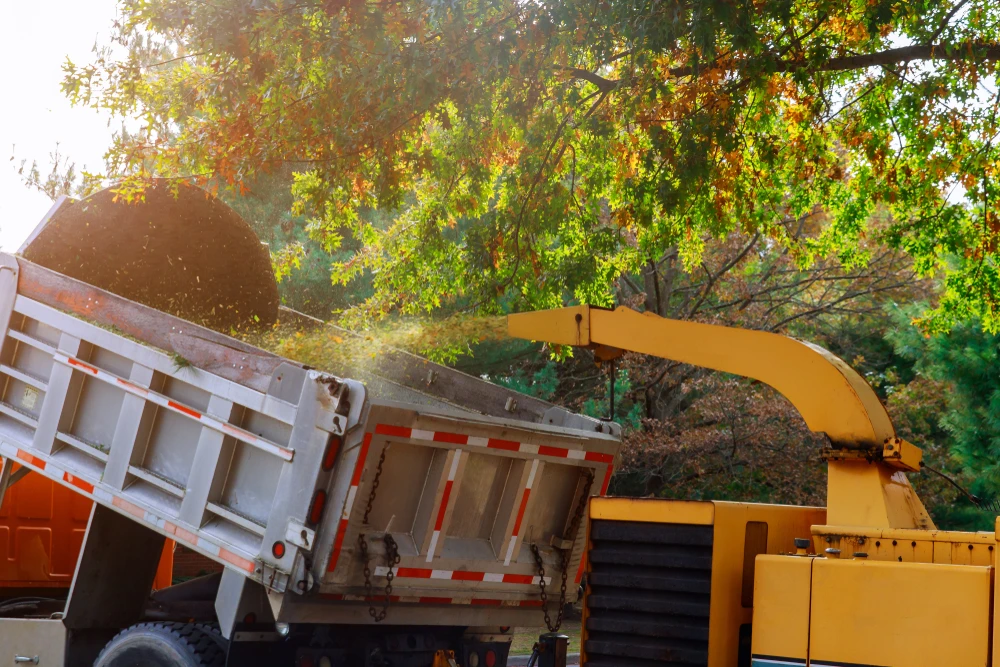
Tree waste is often seen as something that needs to be removed quickly. But in reality, it holds incredible potential for those who want to reduce their environmental footprint. Every branch, leaf and wood chip produced during routine tree care can be transformed into a valuable resource that supports the soil health of your garden. Instead of paying for disposal or sending organic material to a landfill, reusing tree waste offers an opportunity to close the loop. With a few simple, practical habits, the by-products of tree pruning or removal can become some of the most effective tools for creating a healthier and more sustainable outdoor environment.
Mulch is one of the most valuable by-products of tree care. Mulch insulates the soil, suppresses weeds and helps maintain a stable growing environment. Composting branches, leaves and fine chips returns nutrients to the soil with almost no effort. Useful ways to repurpose tree waste:
On-site mulching is one of the easiest, most environmentally friendly choices for managing tree waste. Instead of transporting waste off-site, which increases fuel use and emissions, mulching keeps valuable organic material on your property. Most professional tree contractors can mulch branches instantly during pruning or removal, making it a fast, cost-effective solution. The following are advantages that can help:
Healthy soil is the foundation of strong trees, resilient gardens and long-lasting landscapes, yet many underestimate how simple it can be to improve. You don’t need specialised tools or advanced gardening knowledge to create nutrient-rich ground that naturally supports healthier growth. With a few consistent, low-effort habits, you can boost soil structure, encourage beneficial microorganisms and help your trees develop deeper, stronger roots. These small improvements strengthen the soil’s natural structure and resilience, helping plants grow with less intervention.
Instead of large, labour-heavy soil treatments, small and regular contributions provide steady nourishment that improves water retention, enriches microbial activity and helps the soil stay soft, breathable and fertile. Whether you’re working with garden beds, lawn areas or the ground beneath mature trees, incorporating organic matter gradually builds a healthier ecosystem that supports long-term growth with minimal effort. Effortless ways to enrich soil:
Tree work can temporarily disturb the soil, affecting its structure, moisture balance and overall health. Heavy machinery, repeated foot traffic and the exposure of previously shaded ground can lead to compaction or nutrient loss. Fortunately, restoring the soil doesn’t require complex landscaping. A few gentle recovery steps help the soil regain stability, structure and fertility. These small steps ensure your landscape bounces back quickly after tree work and remains ready for new plantings or future growth:
Healthy soil supports a thriving underground ecosystem, making your garden more resilient to heat and disease. When soil is rich, balanced and full of life, trees grow stronger, roots anchor more deeply and the entire landscape becomes more resilient to heat, drought and disease. This natural stability supports biodiversity, encourages beneficial insects and helps maintain a thriving ecosystem in your own backyard. By investing even a small amount of effort into maintaining soil health, you create a long-term environmental benefit that supports your property and the wider landscape for years to come.
Water conservation is one of the most practical ways you can lower your environmental footprint. With smarter watering techniques and the right soil and mulch habits, trees require far less water than most people expect. These small adjustments not only reduce water bills but also create tougher, more drought-resistant trees.
Efficient watering focuses on giving trees the right amount of moisture at the right time. Overwatering weakens root systems, encourages fungal issues and wastes precious water. By shifting how and when you water, you support better growth while conserving resources. Smarter watering tips:
Mulch also improves how soil absorbs and holds moisture, allowing trees to benefit more from every watering or rainfall. This means your trees get more moisture with less effort from you. Why mulch is so effective:
Eco-friendly tree care doesn’t rely on complex strategies or major landscaping projects; it’s built on small, consistent habits that gradually reduce your environmental footprint. Every action you take around your trees has an effect on soil, moisture levels and the surrounding ecosystem. By adopting low-impact methods in your everyday routine, you can minimise waste, preserve natural resources and create a healthier, more resilient garden without investing extra time or money. Eventually, these mindful practices contribute to a greener property and a more sustainable way of caring for your landscape.
Many are surprised to learn that the most effective environmental improvements start with simple behavioural shifts. Even subtle changes in your routine can reduce resource use, protect soil health and support stronger long-term growth. These techniques require minimal effort, yet they prevent common issues. When applied regularly, these minor changes collectively create a healthier environment and a more sustainable approach to maintaining your outdoor spaces. Here are some examples:
While homeowners can adopt many low-impact practices on their own, professional arborists bring an added layer of precision and efficiency that further reduces environmental strain. Experienced tree specialists employ techniques designed to protect the soil, minimise waste and enhance tree health with minimal disruption. Whether through careful pruning strategies, controlled movement around tree roots or on-site mulching solutions, these methods optimise results while dramatically lowering the ecological impact of tree work. Engaging professionals ensures sustainable, high-quality care, especially for mature trees or complex jobs. Here’s how professionals help:
Many homeowners are surprised by how straightforward sustainable tree care becomes once they understand a few key principles. Once you understand how everyday habits impact your trees and the overall health of your garden ecosystem, it becomes much easier to make environmentally conscious decisions. Most low-impact practices require little to no additional effort; they simply replace older habits with smarter, more mindful approaches. With a bit of awareness and occasional guidance from professionals, you can effortlessly maintain beautiful, healthy trees while reducing your environmental footprint.
From selecting climate-ready species to reusing green waste and improving soil health with minimal effort, even the smallest adjustments can create stronger trees, healthier soil and a landscape that supports the environment rather than draining it. When these practices become part of your routine, you reduce your environmental footprint and ensure your property remains safe, resilient and beautiful throughout the seasons. If you’d like expert guidance, our team is here to support you. At North Shore Tree Services, we provide sustainable, reliable and environmentally conscious tree care for homeowners. Contact us today to book an inspection or discuss the best eco-friendly options for your property.