When it comes to removing or pruning trees on your property in Sydney, the rules are often stricter than many homeowners realise. Different councils have their own tree preservation orders, permit thresholds and exemption lists, which means what is allowed in one suburb can attract heavy fines in the next. At North Shore Tree Services, this is something regularly encountered when homeowners are planning tree work and trying to understand whether council approval is required. Knowing how local regulations work, what information councils usually ask for and which types of work may be exempt can make the process far easier to navigate.
This article explains what Sydney councils typically require before a tree is removed or heavily pruned, when a permit is likely to be needed and what penalties can apply if the rules are ignored. It also looks at the difference between protected trees and exempt vegetation, how factors such as species, size, location and risk influence council decisions and what evidence should be gathered before contacting the local authority. With the right advice and a clear understanding of the approval process, tree work can be planned more confidently while protecting both the property and the long-term health of the landscape.
Most established trees on residential properties in Sydney cannot be removed or heavily pruned without council approval. While each local council sets its own Tree Preservation Order (TPO), Development Control Plan (DCP) or related policy, the general approach is similar across much of the city. Approval is usually required for trees that meet certain protection criteria based on size, species, location or broader planning controls, and carrying out work without consent can lead to substantial fines.
Understanding whether formal permission is needed should always be the starting point before engaging a contractor or attempting any work. The main question is whether the tree falls within the protection criteria under the relevant local controls or is subject to additional protections such as heritage, bushland or biodiversity provisions.
Many Sydney councils require a permit or tree work application when a tree meets one or more of the following thresholds:
As a general guide, if a tree is taller than a single-storey house or has a trunk broader than a person’s forearm at chest height, there is a strong chance council approval will be required.
Approval is commonly needed not just for complete removal, but also for major pruning, including crown reduction, heavy canopy thinning, substantial crown lifting or any work likely to damage roots within the tree protection zone. Topping and lopping are generally discouraged and, in many council areas, may be treated as unlawful damage when carried out without consent.
Some trees require approval regardless of size because of the additional planning or environmental protections that apply to them. This often includes:
In practice, this means a relatively small native tree in mapped bushland may be more heavily protected than a much larger exotic tree in a standard backyard. Checking the property’s planning certificate, council maps and any applicable environmental overlays is an important step before removal is considered.
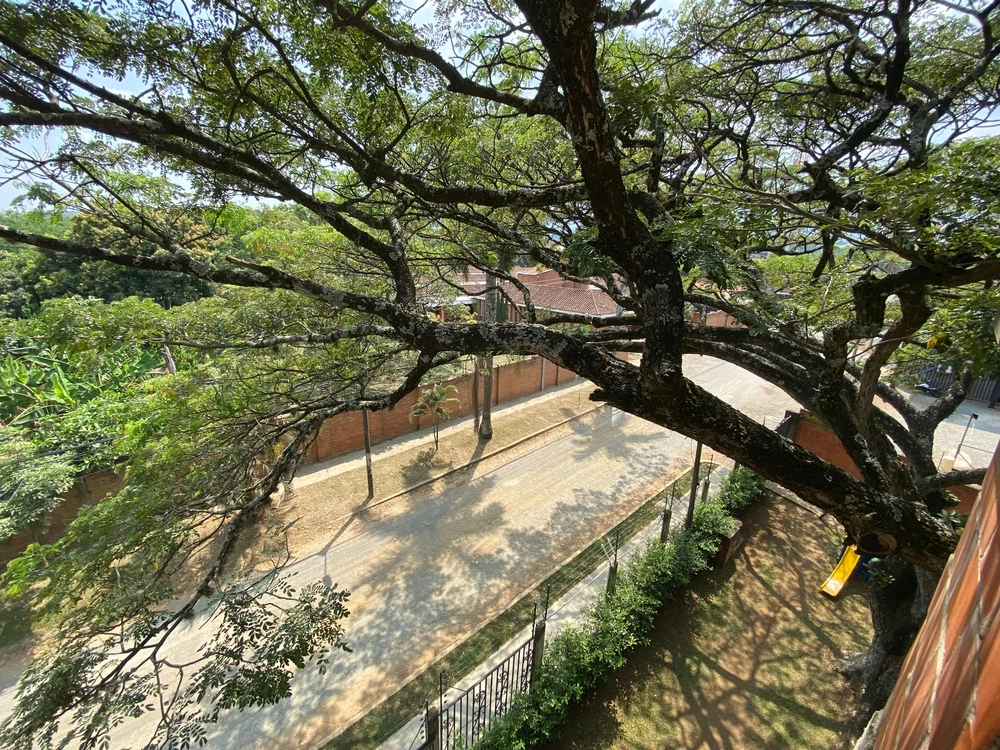
Sydney councils generally allow a range of exemptions so homeowners are not required to seek approval for every minor or urgent tree task. At the same time, many councils have updated their controls in recent years in response to urban canopy loss, storm events, development pressure, pests and broader environmental concerns. Because of this, it is important to understand both the exemptions that may apply and the areas where councils have tightened their approach.
Exemptions are not uniform across Sydney. North Shore homeowners, in particular, need to check the specific tree management policy, DCP or tree preservation controls that apply to their council area, although some broad patterns are common.
Most Sydney councils identify circumstances where a permit is not required for removal or pruning. Common examples include:
Where a tree is said to be hazardous, councils usually expect evidence that the risk is serious and immediate. This may include photographs, arborist reports or records relating to storm damage or emergency attendance. Removing a tree first and then claiming it was dangerous later is rarely accepted if there is no clear supporting documentation.
Declared weed species also vary between councils. Species such as privet and some invasive palms or conifers may be exempt in certain areas, but it is still sensible to confirm the current local list before proceeding.
Properties in designated bushfire-prone areas may be eligible for vegetation clearing under the NSW 10/50 Vegetation Clearing Scheme. In eligible areas, this may allow:
However, strict conditions apply. The property must be within a mapped entitlement area, and not every structure or site qualifies. The scheme also does not override all heritage or environmental protections. Eligibility should be checked on the NSW RFS mapping tool on the day the work is planned, as mapped areas and entitlements can change.
In recent years, many Sydney councils have strengthened tree controls in response to ongoing canopy loss, infill development and increased awareness of the environmental value of mature trees. Common changes include higher penalties for illegal removal, clearer definitions of what qualifies as a dead tree and tighter exemption thresholds for trunk size and pruning.
Some North Shore councils have also expanded or introduced Significant Tree Registers. Trees on these registers generally receive a higher level of protection, even when located on private land. In more disputed or high-impact cases, councils may now expect independent AQF Level 5 consulting arborist reports before considering removal.
Councils are also refining their approaches to emerging issues such as invasive pests, disease management and storm resilience. This can affect how pruning is assessed, how emergency work is documented and what evidence is required to justify removal.
Sydney councils commonly use categories such as protected, heritage and significant trees to determine the level of control that applies to pruning and removal on private property. Understanding which category a tree falls into is essential because it affects whether approval is needed, what type of application is required and how closely the proposal will be assessed.
Although the detail varies between councils, North Shore councils generally apply similar principles.
A protected tree is one that meets the basic criteria set out in the relevant local tree preservation controls. These protections often apply regardless of whether the tree is native or exotic.
Depending on the council, a tree may be treated as protected if it meets one or more of the following:
Common exemptions may still apply for listed weeds, genuinely dead trees or small trees below the threshold, but supporting evidence is usually required.
If a tree is protected, approval is often needed for:
Unauthorised work to a protected tree can attract significant penalties and may also lead to replacement planting requirements.
A heritage tree is one that forms part of a heritage item or contributes to the significance of a heritage conservation area under the relevant planning controls. These trees are subject to stricter regulation because they are considered part of the historical, cultural or visual character of the area.
Examples may include:
Pruning or removing a heritage tree usually requires a more formal approval pathway than a standard tree permit. Councils may require an arborist report, supporting planning documentation and, in some cases, a heritage impact statement. Even when a heritage tree is dead or declining, approval is commonly still required before removal.
A significant tree is one that holds recognised value because of its size, age, habitat importance, rarity or contribution to the local landscape. These trees may be listed individually or grouped within a significant tree register.
A tree may be considered significant because it has:
Significant trees usually attract a very high level of protection. Proposals to prune or remove them are typically closely assessed and often require a detailed consulting arborist report. Councils may also impose stricter replacement planting conditions if removal is approved.
Across Sydney, unlawful tree removal is treated as a serious matter. Penalties can be substantial even where only one tree is involved, and they can increase significantly if multiple trees are affected or the work appears deliberate. Homeowners are generally expected to understand the rules that apply before arranging tree work.
Illegal work does not only mean cutting down a tree. Heavy pruning, lopping or damaging the root system without approval can also lead to enforcement action.
The exact penalty amounts vary between councils, but there are broad similarities across metropolitan Sydney. On-the-spot fines for unauthorised pruning or removal can run into the thousands of dollars for individuals, while companies and contractors may face much larger penalties.
For more serious matters, councils may escalate the issue to the NSW Land and Environment Court. In those cases, penalties can become far more severe, particularly where:
A lack of awareness is rarely accepted as a defence. Councils generally expect property owners to check the relevant local controls before carrying out substantial work.
Financial penalties are only part of the risk. Councils may also require remedial action, including orders to plant replacement trees and maintain them for a specified period. Depending on the number and type of trees involved, this can become costly and time-consuming.
Illegal tree removal can also affect future development opportunities. Where councils believe trees were removed to facilitate building work, they may impose stricter landscaping requirements or take a less favourable view of related applications. The loss of mature trees can also reduce privacy, visual appeal and overall amenity, which may affect property value.
Councils often become aware of unauthorised tree work through neighbour complaints, compliance inspections, aerial imagery and checks linked to development activity. Compliance officers may inspect the site, request evidence and photograph stumps, branches, machinery or signs of root disturbance.
If a homeowner cannot produce written approval or clear evidence of an exemption, a penalty notice may follow. In more serious cases, councils may involve their legal teams and pursue formal action. For that reason, having written confirmation before any major work begins is always the safest approach.
An AQF Level 5 arborist report is a detailed consulting assessment used by councils when tree matters are more complex, disputed or linked to development impacts. It is not always required for routine tree applications, but it is often needed where the issues are technically involved or where the tree has a high level of protection.
For North Shore property owners, this usually arises where large, protected or potentially hazardous trees are close to structures, public land or proposed building works.
A Level 5 report is commonly required where the tree is large, protected or presents a risk that is not straightforward to assess. This can include:
In these cases, councils generally want an independent consulting arborist to apply accepted assessment methods and provide a reasoned recommendation.
Where a tree is listed as heritage, significant or otherwise highly protected, an AQF Level 5 report is often expected before any substantial pruning or removal will be considered.
This commonly applies to:
In these matters, the report needs to address more than immediate condition or safety. Councils may also expect discussion of long-term management, retention options and the likely impact of the proposed work on the broader site.
Severe storms can turn a protected tree into an immediate hazard very quickly. Sydney councils generally recognise this and allow emergency work without prior approval in limited circumstances, but homeowners are still expected to justify what was done once the immediate danger has passed.
Knowing what qualifies as a genuine emergency, and how to document it properly, is important if fines and retrospective compliance issues are to be avoided.
Emergency removal or heavy pruning is usually only allowed where a tree or major limb presents an immediate risk to life or substantial property. Examples may include:
This is generally a much higher threshold than a tree being unhealthy, untidy or likely to decline in the future. Councils usually expect the danger to be immediate rather than speculative.
Even where prior approval is not required during an emergency, councils usually expect evidence showing why the work was necessary. This may include:
Some councils also require retrospective notification or a follow-up application within a set timeframe. If that evidence is not provided, penalties may still apply even where the original work may have been justified.
If a tree is entangled with or threatening powerlines, the relevant electricity provider should be contacted immediately. Work near live powerlines is heavily restricted, and only appropriately authorised personnel can carry it out lawfully and safely.
If the tree is located on a nature strip, reserve or other council-managed land, residents should not carry out work themselves unless there is an immediate life-threatening situation and it is safe to act. In most cases, the issue should be reported to council so it can respond through the appropriate channel.
Assessing a tree properly involves more than looking at whether it appears healthy from a distance. Councils and consulting arborists may consider species characteristics, condition, structure, root zone impacts, surrounding site conditions and the likely consequences of failure before deciding whether removal, pruning or retention is appropriate.
For Sydney homeowners, the safest approach is to check the relevant council controls before any major tree work is started, especially where the tree is established, close to structures or likely to be protected. Gathering clear photos, confirming whether exemptions apply and obtaining advice from a suitably qualified arborist where needed can prevent costly mistakes. In many cases, understanding the approval process early is what makes the difference between a straightforward job and a serious compliance problem.