Looking after established greenery around a home in Sydney often feels straightforward until something unexpectedly goes wrong. Many property owners do not realise that serious tree-related safety issues often begin quietly, with small changes that are easy to miss during everyday routines. Understanding when professional tree services in Sydney are needed can help identify these early warning signs before they affect stability, safety, or nearby structures.
At North Shore Tree Services, we regularly see situations where early indicators were present for months or even years but did not seem urgent at the time. Subtle movement during strong winds or gradual changes in growth patterns are details that matter more than most people expect. Recognising how these issues develop makes it easier to protect your property and avoid stressful surprises later on.
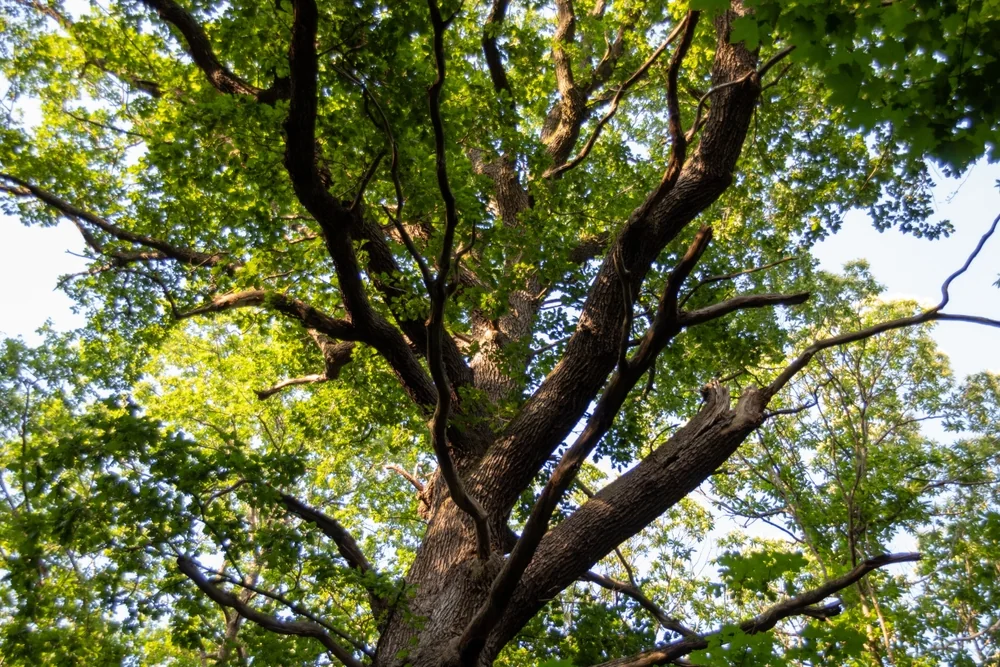
Changes in growth and structure rarely happen overnight and are often mistaken for normal ageing or seasonal behaviour. Early warning signs tend to show up gradually and can look harmless at first glance. Paying attention to these details allows problems to be addressed before they affect safety. Small visual and physical cues usually tell a much bigger story about what is happening below the surface.
A slight lean can develop so slowly that it becomes part of the landscape and goes unnoticed by homeowners. Cracks in the trunk or at major branch junctions often appear shallow but can indicate internal weakness or uneven load stress. An uneven canopy with heavier growth on one side can place constant pressure on the base and root system.
Unusual sounds such as creaking or popping during wind events often suggest internal movement. Excessive movement at the base or along large limbs can point to weakened attachments. Seasonal leaf loss outside normal cycles can also be an early stress response.
Leaves often reflect internal health before structural issues become visible. Smaller leaves or pale colouring and even thinning coverage can signal nutrient or water stress. These changes may appear gradually and be mistaken for normal variation.
The area below ground plays the biggest role in overall stability yet receives the least attention. Problems in the root zone usually develop slowly and stay hidden until failure occurs. Soil conditions and water movement all influence long-term strength. Addressing root zone issues early can prevent major damage later.
Compacted soil limits oxygen and water flow to roots and weakens their ability to anchor. Poor drainage leads to saturated ground that reduces holding strength. Over time the root plate can lose its grip even if the tree looks healthy above ground.
Changes to ground level around the base can interfere with natural root function. Adding fill soil or paving too close to the trunk alters airflow and moisture balance. These changes slowly weaken roots without visible warning signs.
Building work near established greenery often damages roots without immediate symptoms. Trenches or heavy equipment and storage areas compress soil and cut anchoring roots. Damage may not appear until months or years later.
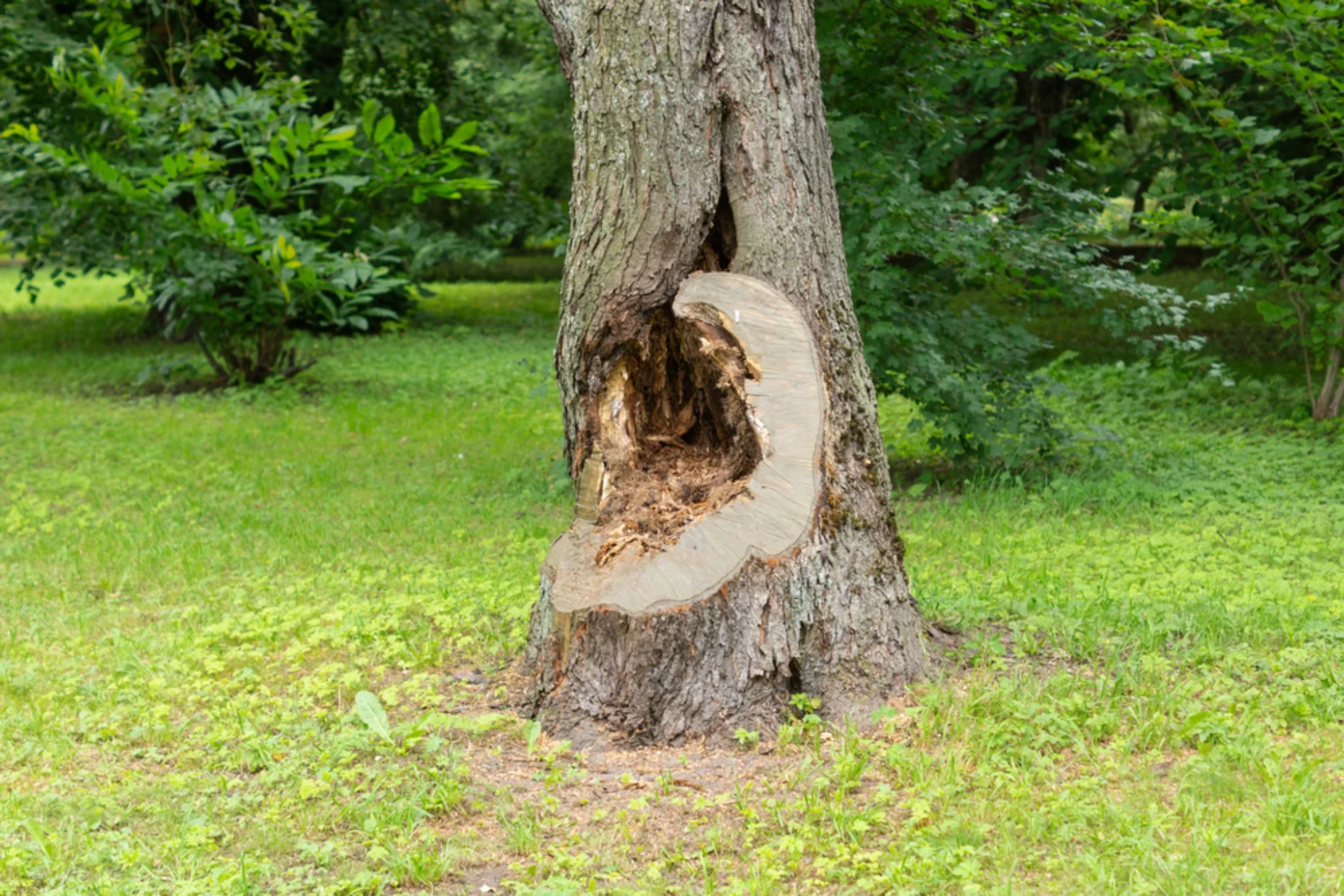
Insects and pathogens can move fast once established, especially under favourable conditions. Early detection is critical because infestations often weaken structures before symptoms become obvious. Many issues spread internally long before surface signs appear. Local climate patterns also influence how quickly problems escalate.
Borers create tunnels that weaken wood from the inside. Fungal infections often enter through small wounds and spread along moisture pathways. Dieback usually starts at branch tips and progresses inward.
Warm wet periods create ideal conditions for pests and disease. Extended humidity supports fungal growth, while drought stresses natural defences. Sudden weather shifts often trigger rapid spread.
Healthy specimens resist pests better than stressed ones. Changes in water access or soil quality and even the surrounding environment reduce natural defence systems. Stress often invites secondary problems.
Storm-related failures usually result from long-term structural issues rather than extreme weather alone. Weak branch attachments and poor form increase risk under load. Wind exposure highlights existing flaws rather than creating new ones. Understanding these weaknesses helps prevent sudden failure.
Large limbs with narrow attachment angles create stress points. Included bark prevents strong wood bonding between branches. These weaknesses often remain hidden until failure occurs.
Even moderate-sized specimens can fail if weight is poorly distributed. Uneven growth patterns shift load towards weaker areas. Balanced structure matters more than overall size.
Old wounds from storms or improper work rarely heal completely. Internal decay often develops behind damaged areas. These hidden flaws reduce strength over time.
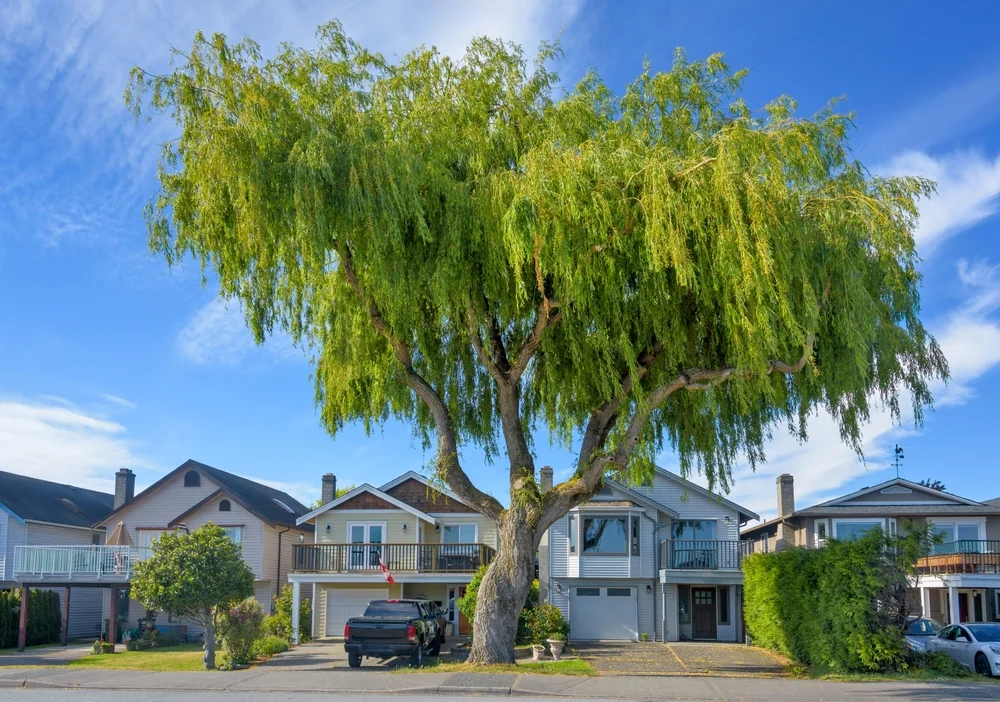
Risk assessment goes beyond appearance and focuses on potential impact. Proximity to buildings and access areas matters greatly. Understanding real risk helps prioritise action. Small defects can have serious consequences when targets are nearby.
Surface flaws often look alarming but may not affect stability. Structural hazards involve load-bearing parts or anchoring systems. Knowing the difference prevents unnecessary worry or delay.
Actionable risk means there is a clear chance of damage or injury. Factors include likelihood of failure or size of affected parts and nearby targets. Timely action reduces liability and stress.
Issues near fences or neighbouring properties add legal and social pressure. Responsibility often falls on the owner of the affected greenery. Early communication helps prevent disputes.
Professional input provides clarity when risks are unclear. Assessments focus on structural health and environment rather than guesswork. Early evaluation often saves cost and disruption. Knowing what to expect makes the process straightforward.
Specialists assess visual cues and site conditions. Tools and experience reveal issues not visible to untrained eyes. Diagnosis considers both current condition and future risk.
A proper plan outlines risks and recommended actions. Decisions are based on safety and long-term health rather than appearance. Clear communication ensures informed choices.
Not all issues require immediate removal. Monitoring allows safe management over time. Preventative care extends lifespan and reduces unexpected failure.
Strong management starts with awareness and timely decisions rather than reactive fixes. Small signs often tell the story long before damage occurs, and ignoring them rarely saves money or stress. Taking a proactive approach protects homes and neighbours.
North Shore Tree Services believes that clear advice and early assessment make all the difference when managing risk around the home. Understanding what to watch for allows homeowners to act with confidence rather than uncertainty. Long-term safety always begins with recognising the small problems before they grow.