Tree lopping is controversial because while it can quickly reduce a tree’s size, it often causes long-term damage, increases safety risks and may breach council rules if done incorrectly.
This guide is for Sydney homeowners, landlords and property managers who want to make safe, informed decisions about managing trees on their property. It matters because poor tree-cutting practices can lead to unstable regrowth, falling branches, costly repairs and unnecessary tree removal later on.
From our experience at North Shore Tree Services, you’ll learn the real differences between lopping and pruning, what Sydney councils typically allow, the long-term risks of lopping and the safer modern alternatives that protect both your trees and your property.
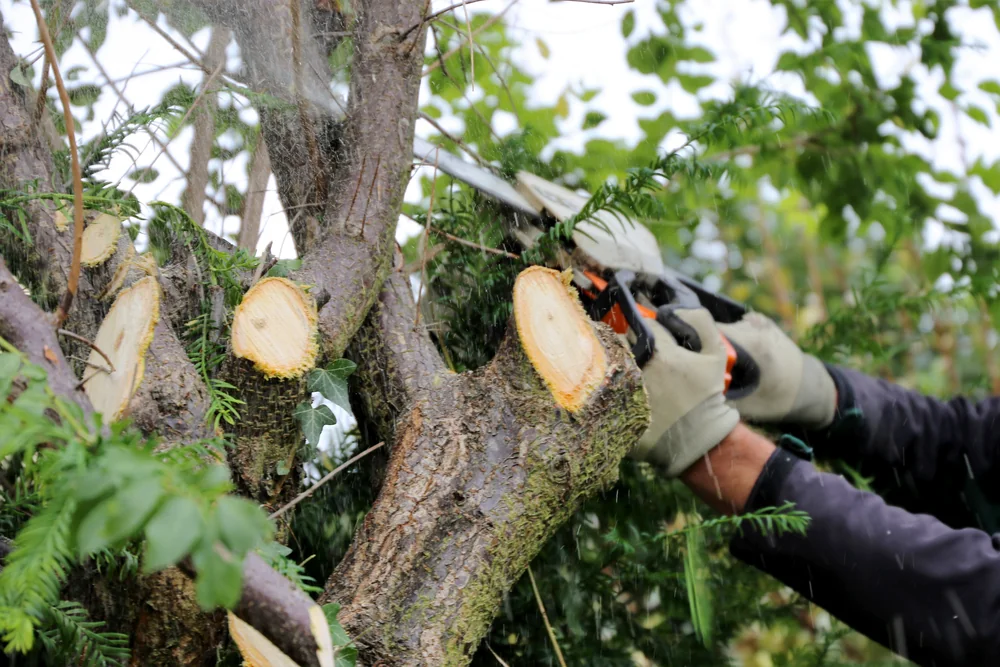
Tree lopping generally refers to the harsh cutting back of a tree, such as removing major limbs or dramatically reducing its height to make it “smaller” quickly. While many property owners assume this is routine maintenance, arborists across Australia often discourage lopping because it ignores the tree’s natural growth structure and can create long-term safety issues.
This approach typically leaves large open wounds that the tree struggles to seal. Over time, these wounds can allow decay, pests and disease to enter the tree, weakening its structure. Lopping also encourages fast, dense regrowth that is often poorly attached, increasing the risk of branch failure during storms.
Tree lopping is controversial because it can:
Many people searching for tree lopping in Sydney are actually looking for safer ways to manage overgrown trees near roofs, neighbours, pools or power lines. In most cases, selective pruning or proper canopy reduction achieves these goals with better safety and longer-term outcomes.
It’s easy to mix up lopping and pruning because both involve cutting branches. The difference is in the method and purpose. Lopping focuses on reducing size quickly, while pruning focuses on improving structure, safety and long-term tree health.
A properly pruned tree is usually stronger, safer and more predictable during storms, which matters in Sydney, where strong winds and heavy rain can quickly expose weaknesses.
Tree lopping often includes:
Professional pruning is strategic and supports healthy growth. It may include:
Tree work isn’t always a “do what you want” situation, even when the tree is on your property. Many Sydney councils regulate pruning and removal to protect canopy cover, biodiversity and neighbourhood character.
Some homeowners only discover this after they’ve already cut the tree and received a complaint or inspection notice. Checking early can save money and stress.
Council controls may apply based on:
Unauthorised work can result in:
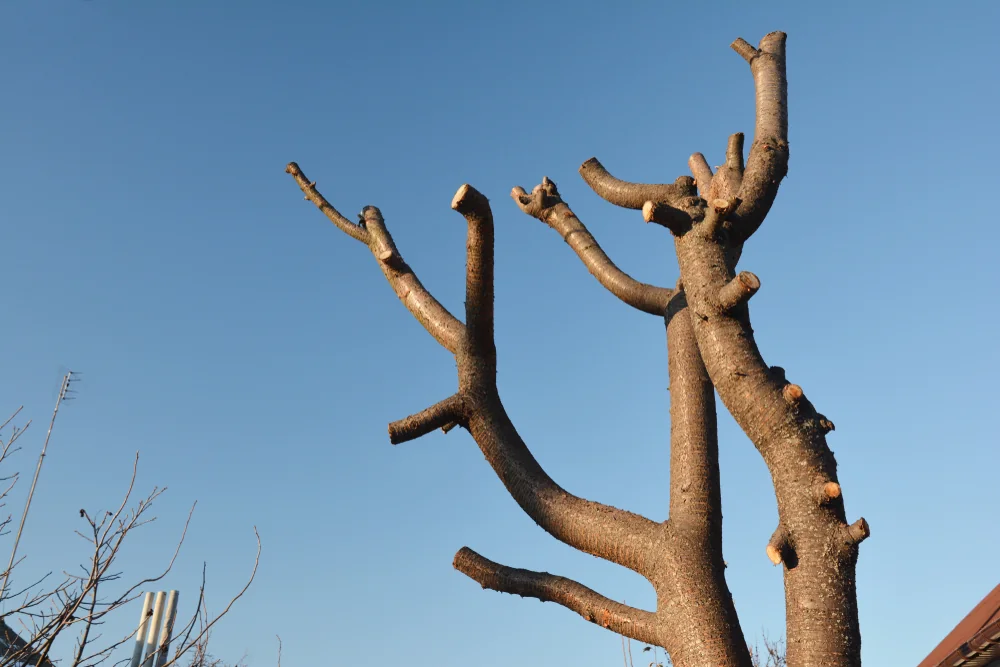
Lopping can look like a neat solution at first, but the real impact often shows up later. Harsh cutting stresses the tree and can cause internal decay, unstable regrowth and greater risk of limb failure in the future.
If your tree sits close to a roof, driveway, fence, or neighbouring property, these long-term effects become a serious safety concern.
Key long-term impacts include:
Large wounds are difficult for trees to seal properly. This can allow fungi and pests into the tree, leading to internal rot and long-term structural weakness.
Lopping often triggers epicormic shoots. These shoots grow fast but are weakly attached, meaning they can snap in storms as they get heavier.
As decay spreads and regrowth becomes dense and unstable, the risk to nearby targets increases, including homes, cars, pools, fences and footpaths.
If your goal is to reduce risk or manage size, there are better methods that protect both the tree and your property. Modern arborist techniques focus on safety and structural stability rather than harsh cutting.
These alternatives are often more council-friendly and usually avoid the repeating cycle of regrowth and re-cutting that lopping creates.
While lopping is discouraged in most cases, there are rare situations where significant cutting might be needed as an emergency risk reduction measure. This usually happens after storms or when immediate danger is present.
Even then, it should be done carefully and only to remove hazardous sections, with a longer-term plan to follow.
Tree lopping may be considered when:
The best approach depends on your tree’s species, health, structure and location. A tree close to buildings requires more conservative decision-making than a tree positioned safely away from targets.
A sensible management decision should reduce long-term risk, not just improve the tree’s appearance.
Consider these decision points:
Tree lopping may seem like a quick fix, but it often leads to weak regrowth, decay and higher storm risk over time. In Sydney, it can also breach council regulations and create legal or neighbour-related issues. At North Shore Tree Services, we encourage homeowners to choose safer, modern tree management approaches that prioritise long-term safety, compliance and responsible care.