Tree deadwooding is an essential aspect of professional tree maintenance, yet it is often overlooked until dead or failing branches create a safety risk. While these branches may appear harmless at first, they can compromise the health, structure and appearance of a tree. Experienced providers of tree lopping in Sydney understand the importance of identifying and removing hazardous deadwood before it leads to property damage, personal injury or further tree decline.
North Shore Tree Services explains what tree deadwooding involves, why dead branches develop and how to recognise when removal is necessary. They also explore the benefits of deadwooding, situations where additional tree management may be required, how arborists safely remove dead branches and how often trees should be inspected.
By understanding these principles, property owners can make decisions about maintaining healthy, attractive and structurally sound trees while reducing long-term risks.
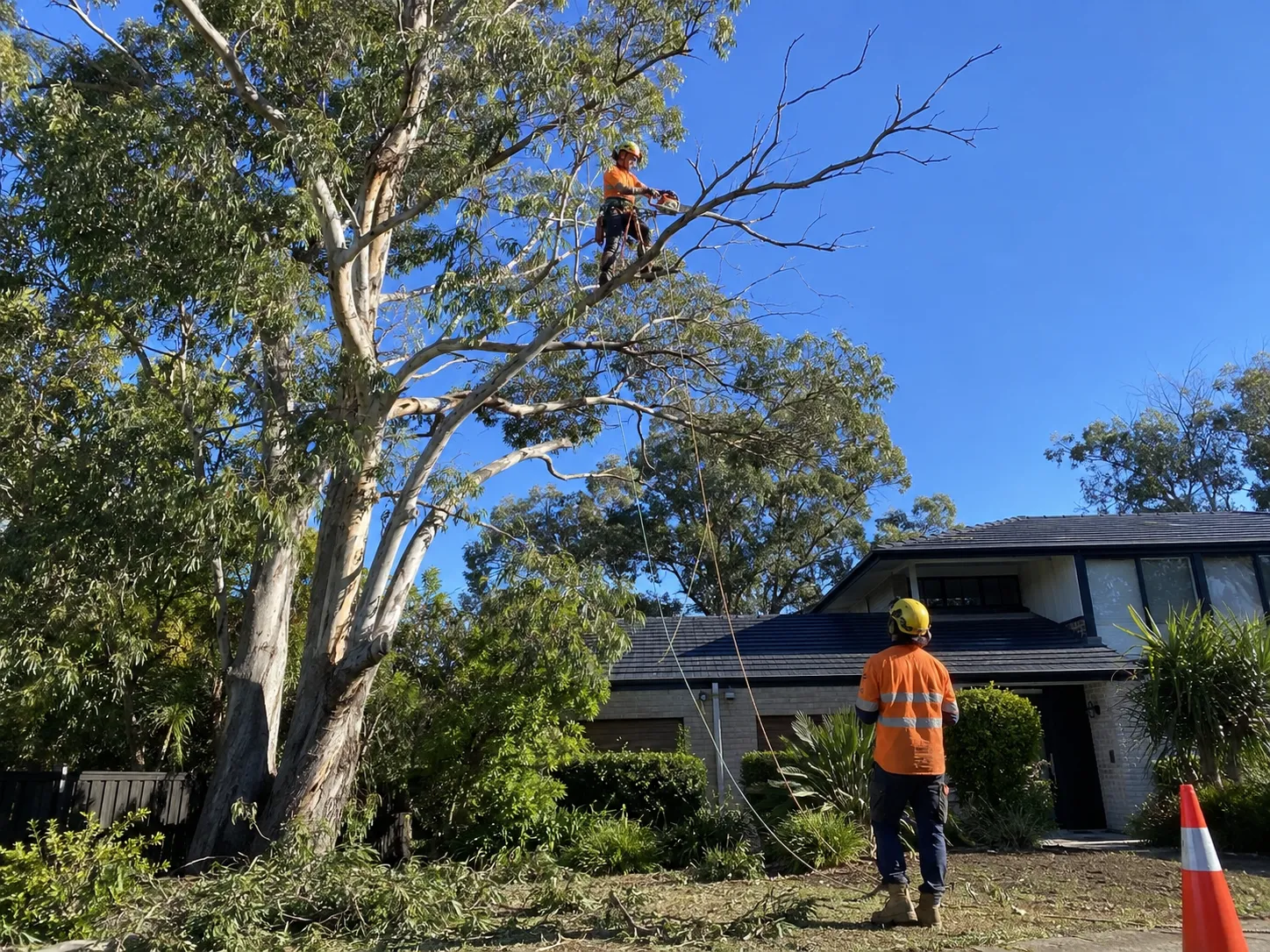
Tree deadwooding is the targeted removal of dead, dying or severely diseased branches from a tree’s canopy. It focuses only on timber that is no longer living or cannot recover, rather than reshaping the whole tree. The aim is to make the tree safer, healthier and more attractive without unnecessary cutting of healthy growth.
As one component of professional tree pruning services, deadwooding targets non-living branches while retaining healthy growth and the tree’s natural structure.
Deadwooding is considered a standard part of professional tree maintenance. By removing hazardous deadwood before it falls, it reduces risk to people, buildings, cars and garden structures while supporting the long‑term structure and vitality of the tree.
Dead branches are a normal part of a tree’s lifecycle, but they can also signal stress, disease or structural problems. Understanding why branches die helps determine whether deadwooding is simply good maintenance or urgently required for safety and tree health.
Branch dieback rarely has a single cause. More often it results from a mix of age, environmental stress, pests or physical damage. Recognising the common reasons deadwood forms makes it easier to act early before problems spread through the canopy.
As a tree grows taller and fuller, light becomes concentrated in the outer canopy. Inner and lower branches receive less sunlight and produce less energy. When a branch can no longer pull its weight in food production, the tree cuts its losses.
Trees naturally redirect resources away from shaded or unproductive branches. Eventually, those branches weaken, lose leaves and die. This is common in dense canopies of species like oaks, elms or conifers where light rarely reaches the interior.
Self‑pruning is a normal process; however, the dead material often remains attached for years. In storms or high winds, those brittle limbs are more prone to snapping, which is why periodic deadwooding is recommended even when the cause is simply natural ageing.
Environmental stress is a leading driver of dead branches. Anything that affects the root system or water balance can show up first as dieback in the crown. Beware of these stress factors:
When roots are damaged or starved of oxygen, they cannot supply enough water and nutrients to every part of the canopy. The tree responds by sacrificing weaker or more distant branches. Tips of branches often die first, followed by entire limbs if stress continues.
Fungi, insects and mechanical damage can all kill branches directly. Cankers, root rots and other fungal infections often girdle a branch or stem, cutting off the flow of sap above the infection point. Everything beyond that point gradually dies and dries out.
Borer insects and other wood‑feeding pests tunnel through the sapwood. Their activity weakens the internal structure and then branches become brittle and die prematurely. Early signs can include thinning foliage, sawdust-like frass at the base or small exit holes in the bark.
Property owners who can recognise tree pests and disease early are better placed to arrange treatment before infestations, decay or canopy decline become more extensive.
Physical injuries are another frequent cause. Storms, wind rub, mower impacts, line trimmer damage and poorly performed pruning cuts can all open the door to decay. Once decay sets into a branch joint or main limb, structural wood is slowly consumed. The outer bark may look intact for some time while the interior becomes hollow or crumbly, eventually resulting in dead, hazardous branches that require removal.
Recognising deadwood early allows potential hazards to be addressed before branches fail and cause damage or injury. While some dead branches are easy to identify, others can remain hidden high within the canopy or resemble branches that are simply under seasonal stress. Knowing what to look for can help determine whether a tree requires a closer inspection by a qualified arborist.
One of the clearest signs of deadwood is the absence of healthy foliage during the growing season. Dead branches remain bare while the rest of the tree is covered with leaves or needles. In evergreen species, affected foliage often turns brown or grey and remains attached long after healthy foliage has been shed.
The condition of the bark can also provide useful clues. Dead branches commonly have bark that is cracked, peeling or missing, exposing dry, pale timber underneath. They may appear grey or weathered compared with the surrounding live branches and often snap easily because the wood has become brittle.
For branches that can be reached safely, a scratch test can provide further confirmation. Lightly scratching the bark should reveal green, moist tissue if the branch is alive. Brown, dry tissue beneath the bark usually indicates that the branch is dead.
The position and condition of a branch can also indicate whether it has died. Hanging or partially broken branches are among the most obvious hazards, particularly after storms or strong winds. These branches may remain lodged in the canopy before falling unexpectedly.
Larger limbs showing visible cracks, cavities or signs of decay should also be treated with caution. Fungal growth often indicates internal decay that has weakened the timber. Even if some foliage remains, these branches may already have compromised structural integrity and should be assessed by an arborist.
A professional tree risk assessment can help determine the likelihood of branch failure, the potential consequences and whether pruning, monitoring or more extensive intervention is required.
Tree deadwooding provides benefits that extend well beyond removing hazardous branches. When carried out as part of a regular tree maintenance programme, it improves safety, supports long-term tree health, enhances the tree's appearance and helps identify developing structural issues before they become significant. Regular deadwooding also reduces the likelihood of unexpected branch failure, making it an important preventative measure for residential, commercial and public landscapes.
The most immediate benefit of deadwooding is reducing the risk of falling branches. As dead timber dries out, it loses strength and becomes increasingly brittle. Wind, heavy rain or even the branch's own weight can eventually cause it to break without warning. Removing hazardous deadwood helps protect:
This is important for large mature trees with broad canopies or branches extending over high-use areas where even a relatively small falling limb can cause injury or expensive property damage.
Although dead branches no longer contribute to the tree's growth, leaving them in place can encourage decay, create entry points for pests and fungal pathogens and increase the likelihood of damage to surrounding healthy branches. Removing deadwood helps maintain a healthier canopy, reduces opportunities for secondary problems to develop and allows arborists to identify signs of disease or structural decline before they become more serious.
Regular deadwooding also forms part of a broader preventative maintenance programme that supports the long-term health, stability and resilience of mature trees.
Dead branches can make an otherwise healthy tree appear neglected or unhealthy. Bare grey limbs, broken stubs and hanging branches often detract from the overall appearance of the landscape in well-maintained gardens and commercial properties.
Removing deadwood creates a cleaner canopy that better reflects the tree's natural form. It also improves visibility within the crown, making future inspections easier and allowing arborists to identify structural defects, developing decay or branch unions that may require attention before they become significant hazards.
For mature specimen trees, regular deadwooding helps preserve both their aesthetic value and their contribution to the surrounding landscape while supporting safe, sustainable long-term management.
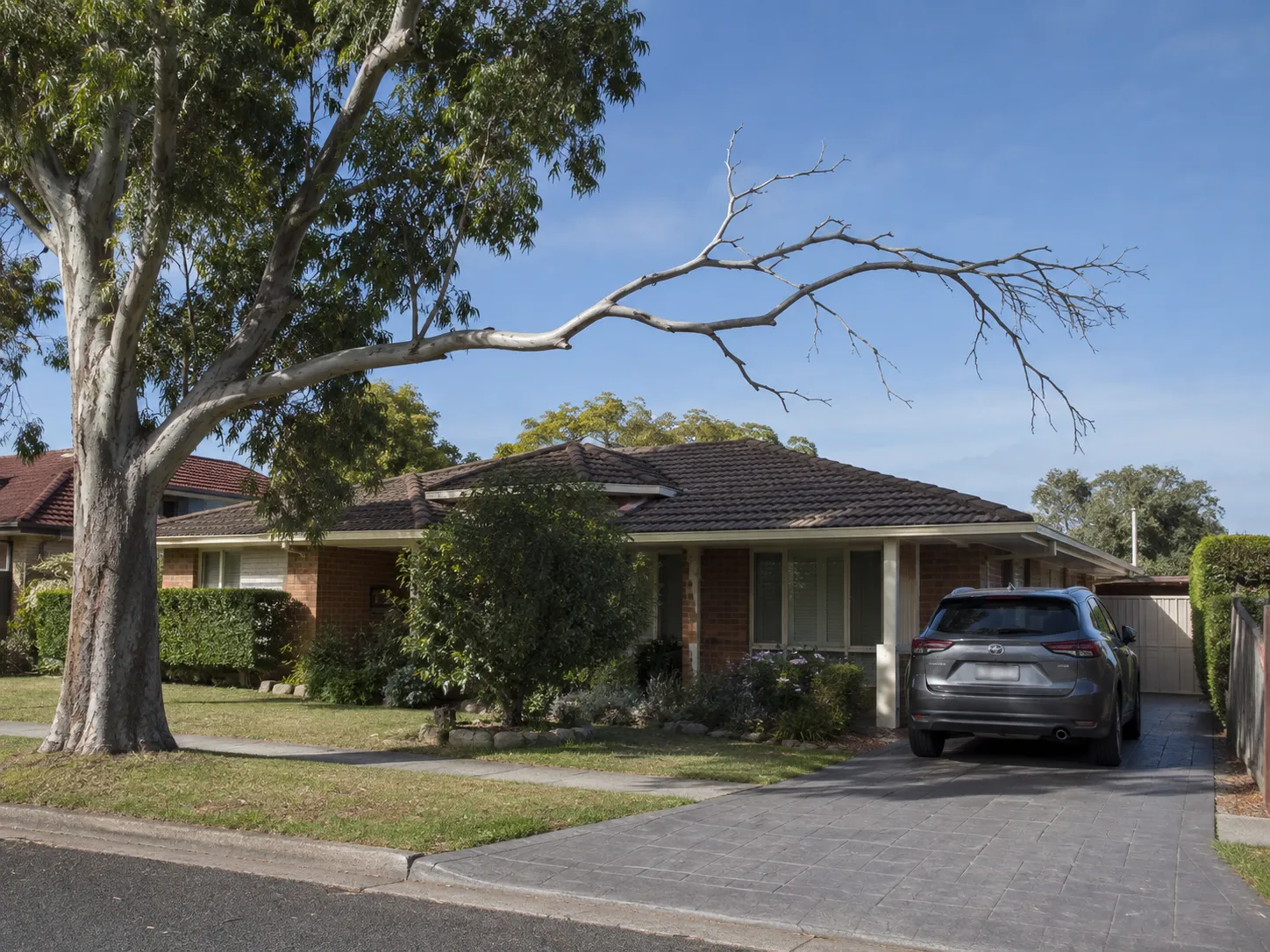
Although some deadwood is a natural part of a tree's lifecycle, it should not be ignored when it creates a safety risk or indicates a more serious problem. The decision to remove dead branches depends on their size, location, condition and the likelihood of them failing. In areas where trees overhang homes, roads or frequently used outdoor spaces, deadwood should be addressed before it has the opportunity to fall.
Dead branches become brittle as they dry out and decay, making them more likely to break during strong winds, heavy rain or even under their own weight. Prompt removal is recommended when deadwood could strike people, vehicles or property if it fails. Deadwood should be removed if it:
Addressing these hazards early reduces the risk of unexpected branch failure and costly damage.
Dead branches are not always an isolated problem. Extensive dieback, multiple dead limbs or branches showing obvious decay can indicate that the tree is experiencing stress, disease or structural decline. Professional assessment is recommended if deadwood is accompanied by:
Deadwooding may form part of the solution, but additional tree management may also be required to address the underlying cause.
Deadwooding is also valuable as part of a planned maintenance programme. Mature trees naturally accumulate dead branches and removing them before they become hazardous helps maintain a safer, healthier canopy.
Regular deadwooding is beneficial for trees located near buildings, public spaces and other high-use areas where even small falling branches can present an unacceptable level of risk. Rather than waiting until deadwood becomes an emergency, routine inspections and timely maintenance help preserve both the tree and its surrounding environment.
Removing deadwood requires more than simply cutting away dry branches. Qualified arborists assess the tree's condition, identify potential hazards and use specialised equipment to remove dead limbs without causing unnecessary damage to the tree or surrounding property. Their approach focuses on protecting people, preserving the tree's long-term health and ensuring branches are removed in a controlled manner.
SafeWork NSW provides tree work safety guidance covering risks such as falls, falling branches, powerlines and the use of specialised equipment.
Professional deadwooding should be carried out in accordance with AS 4373: Pruning of Amenity Trees, the Australian standard that provides best-practice guidance for pruning. Following these principles helps minimise unnecessary damage, supports effective wound closure and promotes the health and integrity of the tree.
Before any pruning begins, arborists inspect the tree to identify dead, dying or structurally compromised branches. They also consider the tree's size, species, condition and location, along with nearby buildings, vehicles, powerlines and pedestrian areas.
Additional safety requirements apply to tree trimming near powerlines, and this work may need to be completed by appropriately accredited workers.
This assessment determines the safest method of access, whether the work can be completed from the ground using pole tools or requires climbing equipment or an elevated work platform. Planning the work helps minimise risks and ensures only the branches that require removal are cut.
Once the work begins, arborists use professional pruning techniques to remove dead branches cleanly while protecting the surrounding canopy. Larger limbs are removed in sections where necessary to prevent uncontrolled falls and to reduce stress on the tree.
If branches extend over homes, gardens or other sensitive areas, ropes and rigging equipment are used to lower them safely to the ground. Throughout the process, the work area is kept clear of people and obstacles and the tree is monitored for any additional hazards. By combining careful planning with specialised equipment and proven pruning techniques, arborists can remove deadwood safely.
Removing dead branches is an important part of tree maintenance, but it does not solve every tree problem. Deadwood is often a symptom of an underlying issue rather than the problem itself. If the cause of branch dieback is not identified and addressed, new deadwood may continue to develop and the tree's overall condition may decline.
A small amount of deadwood is a normal feature of most mature trees. However, when large sections of the canopy are dying or multiple major limbs have become dead, it often points to more problems. Underlying causes could be:
Simply removing the dead branches does not resolve the underlying cause. Without further investigation, the tree may continue to lose healthy limbs, become structurally weaker or eventually require more extensive treatment.
Depending on the findings of an inspection, arborists may recommend other forms of tree management alongside deadwooding. The most appropriate solution depends on the species, the extent of the damage and the level of risk the tree presents. Additional work may include:
These measures aim to improve the tree's stability while reducing the likelihood of further branch failure.
Although many trees can be managed with pruning and ongoing care, some reach a point where removal is the safest and most practical solution. Extensive deadwood combined with severe decay, major structural defects or widespread canopy decline may indicate that the tree can no longer be made safe through maintenance alone.
A qualified arborist can assess factors such as the percentage of canopy dieback, the condition of the trunk and root system and the likelihood of failure before recommending removal. Where possible, preservation remains the preferred outcome, but when a tree poses an unacceptable risk to people or property, timely removal followed by suitable replacement planting is often the most responsible course of action.
Regular inspections help identify deadwood before it becomes a safety hazard or contributes to further tree decline. While all trees naturally develop some dead branches, routine checks allow problems to be addressed early, reducing the risk of unexpected branch failure and supporting long-term tree health.
How often a tree should be inspected depends on its age, condition, location and the level of risk it presents. Trees growing near homes, driveways, public areas or other high-use spaces generally require more frequent attention than those in low-risk locations.
Most mature trees benefit from a professional deadwood inspection once every 12 months, although trees located near homes, roads, schools or other high-use areas may require inspections twice a year or following significant storm events. Older trees or those showing signs of decline should also be assessed more frequently to identify developing hazards before they become serious.
Although property owners can often spot obvious dead branches, many hazards develop high within the canopy or show few visible signs until failure occurs. Regular inspections by a qualified arborist help identify deadwood, assess the tree's overall condition and determine whether routine deadwooding or more extensive management is required.
Taking a proactive approach to inspections helps reduce safety risks, preserve the health of valuable trees and avoid more costly or complex work in the future.
Effective tree deadwooding is about much more than removing a few dead branches. It is a preventative tree management practice that improves safety, supports tree health, enhances the appearance of the canopy and reduces the likelihood of unexpected branch failure. While some deadwood is a natural part of a tree's lifecycle, knowing when it requires professional attention is essential to maintaining a safe, healthy and structurally sound tree.
Regular inspections by qualified arborists remain the most reliable way to identify hazards early and ensure deadwood is removed using appropriate techniques and in accordance with Australian standards. With professional assessment and ongoing maintenance from North Shore Tree Services, property owners can help preserve the health, safety and longevity of their trees while protecting the surrounding landscape.