When a tree on a property appears dangerous, it can be frustrating to find that council approval for removal is not granted. North Shore Tree Services encounters this situation with homeowners and strata managers who are caught off guard when a seemingly obvious risk does not meet the legal threshold for removal. This article examines why some trees that appear hazardous do not automatically qualify as unsafe under local regulations or professional arboricultural assessment. It also outlines how risk is evaluated in practice and why visible issues such as leaning trunks, surface roots or leaf drop are not always sufficient grounds for removal.
The discussion explores tree removal in Sydney, how councils interpret the term “dangerous” and how that interpretation influences application outcomes. Experts clarify the distinction between perceived risk and documented risk, explain the role of arborist reports and outline how different factors shape council decisions. Understanding these considerations helps set realistic expectations, supports stronger applications, reduces unnecessary conflict with council and informs long-term decisions about safety, property value and compliance.
Sydney councils use a narrower definition of “dangerous” than many residents expect. A tree is usually only classed as dangerous when there is a clear, current and demonstrable risk of failure that could reasonably cause injury or damage to a structure. General dislike, mess, shade or fear that something might happen one day rarely meet this threshold.
Council assessment is risk-based and evidence-driven. Arborists engaged by councils use recognised methods such as QTRA or TRAQ to judge the likelihood of failure and the severity of potential consequences. Only when both are high is removal likely to be supported.
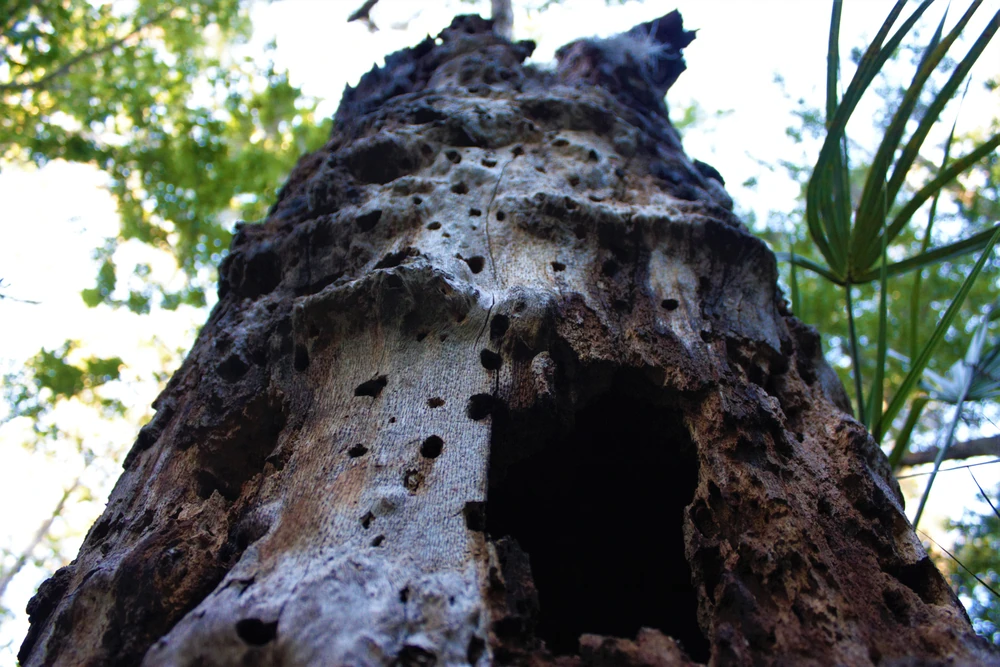
Structural problems must usually be advanced and clearly associated with potential collapse to qualify.
Councils commonly look for:
Minor defects such as small cavities, old pruning wounds that have stabilised or cosmetic bark damage are often not treated as dangerous if the tree is otherwise sound.
Concerns about roots are often raised, but only specific situations usually meet the dangerous tree criteria.
Councils typically focus on:
Roots lifting paths, driveways or fences are normally treated as an infrastructure or nuisance issue rather than a safety emergency. In those cases, councils may prefer root pruning, pavement repair, or other engineering solutions to removal.
A tree can only be classed as dangerous if there is a clear target that could reasonably be hit if failure occurs.
Assessors consider:
A large defective limb over a bedroom, driveway or busy footpath is more likely to trigger a dangerous classification than a similar defect over a lawn or garden that is rarely used. Where the risk can be reduced by pruning, fencing off an area or changing access patterns, councils will often prefer those measures to full removal.
Many tree removal requests are based on genuine concern but do not meet council criteria for removal approval. Risk is assessed on demonstrated likelihood of failure and potential consequences, not on worry alone. Councils rely on arboricultural evidence and published risk frameworks to decide whether a tree is unreasonably hazardous or an acceptable urban risk.
Understanding why some concerns fall short of the regulatory threshold helps property owners focus on issues that are more likely to be supported by professional evidence. It also clarifies when remedial pruning or monitoring is more appropriate than complete removal.
Common concerns such as “the tree is tall” or “it sways in the wind” are usually considered normal tree behaviour, not a sign of imminent failure. Height alone is not a risk factor. A tall tree with a healthy root system and sound structure can be considered low risk, while a smaller tree with severe decay may be high risk.
Councils and consulting arborists typically look for objective indicators of elevated risk, such as trunk decay, structural defects, root plate movement or a history of branch failure onto targets. If inspection finds that defects are minor, confined to small branches or not progressing, the overall risk rating often remains tolerable and removal is not justified.
Trees near houses, driveways or play areas can feel inherently risky. However, councils recognise that living in a treed environment involves a level of everyday hazard. A tree is not usually removed simply because:
Approval generally hinges on whether the risk is higher than what is typical for comparable trees in the area. If failure would only affect low‑use areas or minor structures, the risk may be deemed acceptable. In such cases, targeted pruning to reduce deadwood or weight is often favoured over removal.
Fear of future structural damage is a frequent reason for removal applications, particularly around foundations, paving or pools. Councils usually require clear evidence before accepting this as a valid risk justification. For example:
If cracks are minor, stable or consistent with building age or soil type and no intrusive roots are identified, the tree is unlikely to be considered a high risk to the structure. In these situations, councils tend to recommend monitoring, engineering solutions or localised root management rather than complete removal.
Many property owners are surprised when an obviously flawed or unattractive tree does not qualify for removal under local controls. Councils assess risk against strict criteria and not every defect meets the legal threshold for “unsafe” or “hazardous” in a planning context. Understanding which defects are considered tolerable helps set realistic expectations before lodging an application and reduces frustration when consent conditions require pruning, monitoring or other management instead of full removal.
Not every visible flaw indicates a high likelihood of failure. Councils typically consider the size, position and consequence of failure rather than the presence of a defect alone.
Examples of commonly cited defects that may not justify removal include:
A cavity or crack may look alarming yet still be structurally acceptable if there is sufficient sound wood and the defect is not progressing. Arborists use tools such as sounding hammers or decay detection devices and apply quantifiable thresholds.
Roots lifting a low garden path or minor driveway cracking will usually be considered a maintenance issue for the hard surface, not a justification to remove a healthy protected tree. Approval is more likely only where credible evidence shows the tree is directly causing or will likely cause significant structural damage that cannot be reasonably engineered around with root pruning barriers or redesign.
Similarly, interference with gutters, solar panels, pool heating or fences is often addressed through regular maintenance and canopy management. Loss of sunlight to lawns or gardens and blocked views are ordinarily given little weight under most tree controls unless combined with demonstrable safety or structural concerns.
Councils expect more than a general fear that a tree “looks unsafe”. Approval for removal usually depends on clear, documentable evidence that the tree presents a foreseeable and significant risk to people or property. The stronger and more objective the evidence, the more likely a dangerous tree claim will be taken seriously.
Useful evidence typically combines professional assessment with visual records and site-specific information. The goal is to demonstrate that the risk is real, current and not easily addressed through pruning or management instead of complete removal.
The most persuasive evidence is a written report from a qualified consulting arborist. Councils generally look for AQF Level 5 arborist qualifications, an independent assessment not tied to a tree removal contractor and a structured risk rating using a recognised method.
A strong report will identify defects such as decay cavities, root plate instability, lean major deadwood or previous failures. It should link these defects to likely targets such as houses, driveways, public footpaths or neighbouring properties and explain the potential consequences if the tree or large limbs fail.
Where appropriate, the arborist may use diagnostic tools such as decay detection equipment or root investigation techniques. Inclusion of these findings in the report often strengthens a dangerous tree claim, especially where defects are not obvious to the naked eye.
Clear photographic evidence is a practical way to support a claim and is often requested by councils. Useful images show:
Physical signs like repeatedly blocked gutters from heavy shedding, large fallen limbs in the yard or damaged fences and roofs can also support risk arguments when documented with photos and repair invoices.
A tree that might be acceptable risk in a paddock can be unacceptable over a bedroom or busy driveway. Councils consider where a tree stands and what lies beneath it, so evidence that clarifies site context is important.
Useful details include:
Sketch plans, aerial images or marked-up site photos showing the tree and likely impact zones help decision-makers visualise risk. Records of previous storm damage from the same tree or repeated limb drop near high-use areas also strengthen a dangerous tree claim when provided with dates, photos and any repair documentation.
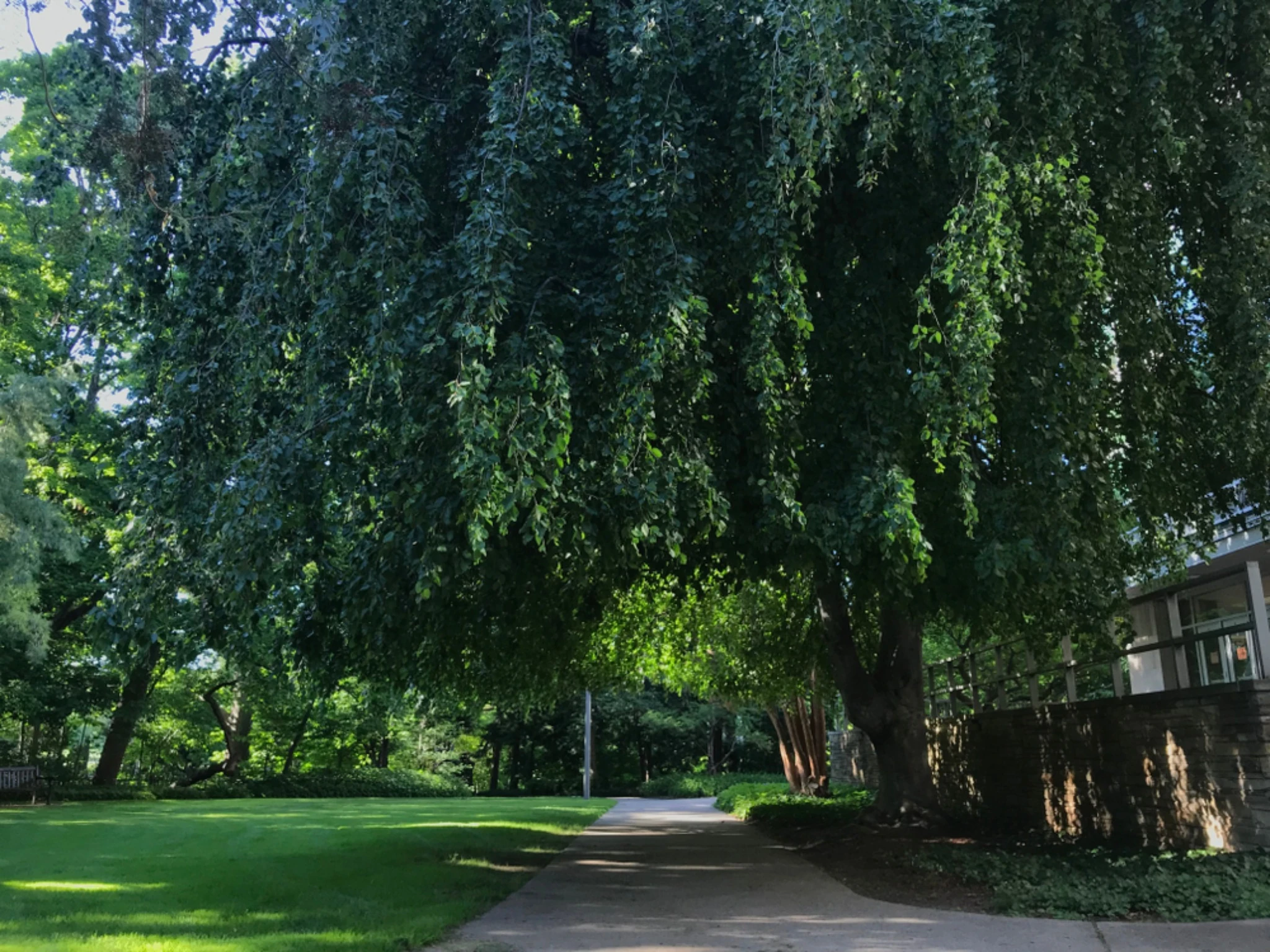
Councils often prefer targeted pruning or other management measures instead of full tree removal when a risk can be reduced to an acceptable level. Removal is treated as a last resort because it permanently alters streetscapes, biodiversity and neighbourhood character. Where a tree is generally healthy and structurally sound yet presents some risks or nuisance, councils will usually consider less drastic options first. Understanding why these options are favoured helps set realistic expectations when lodging a tree application.
If an arborist report finds the tree to be in good overall condition with a reasonable life expectancy, councils are unlikely to approve complete removal. In such cases, hazards are often addressed by crown reduction or selective branch removal, weight reduction pruning on overextended limbs and removal of deadwood and defective branches.
For example, a large gum leaning towards a house might appear dangerous to the owner, but if the trunk and root plate are stable, the lean is historic and there is no evidence of active movement, targeted pruning can lower the likelihood of branch failure. Councils will typically accept pruning as a proportionate response where it reduces risk without sacrificing the entire tree.
Not all tree risks are solved in the canopy. Some can be controlled at ground level or through property management. Councils may refuse removal and instead recommend measures such as installing root barriers or paving modifications, adjusting use of high‑risk areas and improving fencing or barriers beneath trees that drop cones, pods or fruit.
An uneven path from tree roots is usually treated as a maintenance matter for the property owner rather than a justification for complete removal. If trip hazards can be removed or bypassed, the residual risk is considered manageable without losing the tree.
Many property owners are surprised when a tree removal application is refused, even though they see the tree as dangerous. Councils assess risk using specific criteria under their Tree Preservation Orders and the NSW planning framework, so a tree that feels unsafe to a homeowner may not meet the formal threshold for removal. Understanding why “dangerous tree” claims are often rejected helps applicants prepare better documentation and consider alternatives such as pruning or risk management instead of full removal.
Many applications are knocked back because the claimed danger does not meet the council’s definition of an unacceptable risk. Trees inherently move in the wind and drop small branches and this natural behaviour is not automatically classified as hazardous.
In Sydney local government areas, a tree is more likely to be approved for removal when it has a high likelihood of partial or total failure that could hit a specific target such as a habitable room, driveway or public footpath. Trees that lean but have stable root systems or trees that overhang a yard without high‑use targets underneath are frequently deemed acceptable with management pruning. Fear of potential storms or hypothetical “what if” scenarios rarely satisfies council criteria. The focus is usually on identifiable defects and quantifiable likelihood of failure rather than worst‑case imagination.
Councils are generally reluctant to approve the removal of healthy trees, particularly native or locally species that contribute to the urban canopy. A tree that is in good biological condition with sound structure usually fails a “dangerous” claim unless there is compelling evidence of an unacceptable risk to people or property.
Applications often fail when the tree is a listed or mapped significant tree, the species is locally indigenous or provides important habitat and the only concerns cited are leaf litter shading or minor root activity. In many suburbs, canopy protection controls are strong. If the tree can be made reasonably safe through pruning, deadwood removal, or target management, such as relocating a seating area, councils nearly always prefer that option instead of removal.
Even when a tree has genuine defects, applications are frequently rejected because the submission is incomplete or unclear. Missing site plans, poorly lit photos, a lack of detailed defect description or failure to identify targets under the tree can lead assessing officers to conclude the risk is low or unproven. Some councils require reports from AQF Level 5 consulting arborists. Where applications rely only on brief contractor quotes or informal letters that do not address council criteria, the claim of danger often fails. Clear documentation that links observed defects to specific targets and explains why pruning will not adequately reduce risk has a far higher chance of success.
The fact that some dangerous tree claims do not result in removal approval is not a sign that councils disregard safety. Rather, it reflects the need to balance genuine risk against legal, planning and environmental obligations. Arboricultural risk assessments, development controls, heritage considerations, biodiversity protections and the availability of alternatives such as pruning or root management all influence the outcome of an application. Visual concern, inconvenience or general fear is rarely enough on its own. What carries weight is clear evidence that meets the technical thresholds set by local policies, accepted risk frameworks and relevant Australian standards. For property owners, successful applications usually depend on early advice from qualified arborists, careful documentation of observable defects and impacts and a willingness to consider mitigation where removal cannot be justified. A clear understanding of the criteria councils must apply allows tree-related risks to be managed more effectively.