Removing a tree may feel like the end of the job, but for many homeowners dealing with tree removal in Sydney, the real work truly begins once the trunk is down. At North Shore Tree Services, we often remind our clients that the stump left behind has a major impact on the long-term health, safety and appearance of their landscape. Stump grinding removes the visible stump, but the work doesn’t end when the machine stops; what follows is just as important.
In this guide, we walk you through what stump grinding actually removes, how it changes the soil beneath the surface and the essential aftercare steps required to properly restore and protect your property.
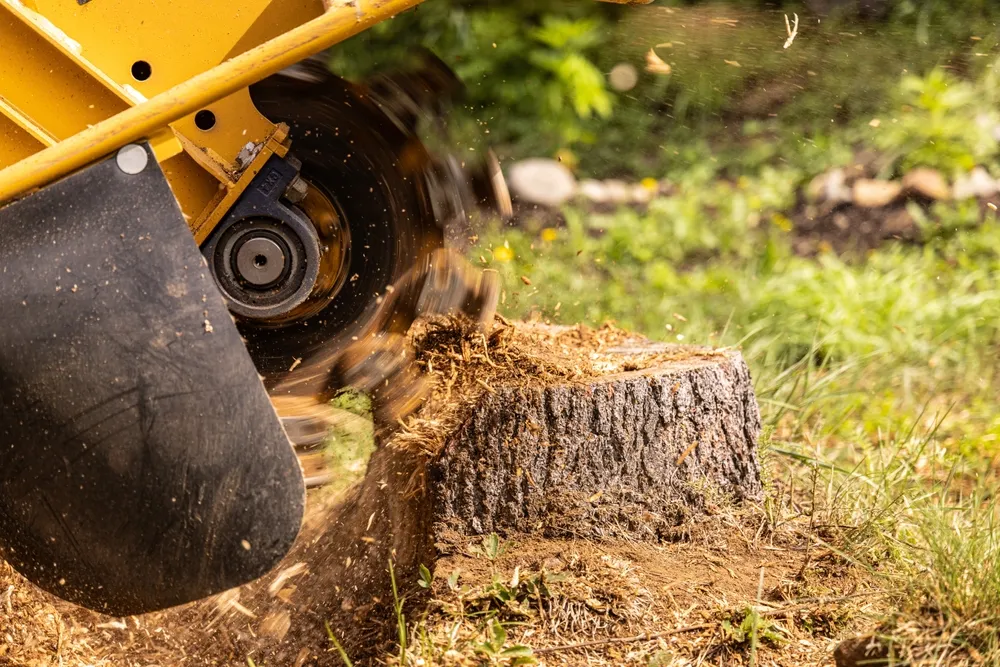
Even after the stump is ground down and the visible portion disappears, many are surprised to discover how much responsibility remains beneath the surface. The removal of a stump is not just a cosmetic improvement; it’s the beginning of a process that affects soil structure, root behaviour, drainage patterns, pest activity and the overall health of surrounding plants. Knowing why stump removal is only the first step helps you prepare the right aftercare for a safe, healthy recovery.
After grinding, the underground root system naturally begins to decompose. As it breaks down, it leaves small voids that cause the soil to settle unevenly. This same decaying material creates moist pockets that may attract insects or support fungal growth. These changes happen gradually, which is why homeowners often notice sinking soil, patches of mushrooms or shifting ground months after the stump is gone.
Although grinding removes the visible stump, the deeper roots remain and will gradually decompose over time. As this material breaks down, the soil becomes less stable and may settle unevenly. The remaining wood chips also lighten the soil structure, making the area more prone to sinking until the material fully integrates or is replaced.
Stump grinding may seem simple, but long-term site stability relies on professional assessment. A trained arborist or stump removal specialist can examine soil density, water flow, species-specific regrowth tendencies and the depth of remaining roots. Professional assessment ensures you understand not just what was removed, but what remains and how it may behave in the future.
Most people assume stump grinding eliminates everything below ground, but the reality is far more nuanced. Grinding removes the stump and some upper roots, but it can’t eliminate the entire root system. Millions of fine and large roots remain underground, and they can continue to influence soil behaviour for years. Understanding what is removed versus what stays behind helps homeowners anticipate changes and make informed decisions.
Stump grinding focuses primarily on reducing the stump and upper root plate into mulch. This process removes the visible obstruction and enough of the major roots to make the area usable again. The grinding depth typically ranges from 15 to 40 cm below ground level, depending on the equipment and the homeowner’s plans for the site. Stump grinding removes:
Despite the grinder’s power, it cannot reach the thousands of deeper roots that extend metres into the soil. These roots no longer support the tree, but they still affect the soil as they decompose. This decomposition process affects drainage, nutrient absorption and soil stability and can take several years depending on the species and soil conditions. What remains includes the following:
The depth of the grinding has a role in how the site behaves after the work. Shallow grinding leaves more material behind, which increases the chance of soil sinking. Deep grinding reduces leftover wood, making it easier to restore the area, but it may still not eliminate aggressive roots capable of sprouting. Grinding depth affects:
Most homeowners expect instant visual improvement, but the biggest changes happen underground. When the stump and root system break down, biological changes occur that impact stability, drainage and nutrient distribution. Understanding these subsurface changes helps prevent problems before they appear.
This process is gradual as the underground roots break down. Even though the stump itself has been ground below the surface, the complex system of major and fine roots remains. This combination of decomposition and loose soil leads to shifting surfaces that are not only unsightly but can also create tripping hazards or drainage issues. Understanding why this occurs helps homeowners plan proper aftercare to stabilise the site.
Many try replanting too soon, only to find the new turf or plants growing slowly or unevenly. This is due to the changes to nutrient levels that occur when wood chips and roots begin to decompose underground. The imbalance can persist for months if unaddressed, affecting the success of future planting and the appearance of the surrounding lawn. Recognising the signs early allows homeowners to correct the issue before investing in new landscaping.
Before removal, a mature tree regulates water absorption, stabilises compacted soil and helps control how moisture travels underground. Once the stump and upper roots are removed, the soil loses this natural water-management system. As the decaying roots break down, they leave unpredictable channels that reroute how water drains and collects. This change in water flow can cause pooling in some spots and dryness in others. These changes can lead to:
Restoration is about more than filling a hole; it’s about rebuilding soil structure, improving nutrient balance and ensuring the area becomes usable again. Proper restoration improves both the look and safety of the area while preventing long-term problems. Whether you plan to replant, lay turf, build a garden bed or simply level the area, good restoration practices dramatically improve outcomes.
After stump grinding, the soil left behind is very different from the compact, nutrient-rich earth that existed before the tree was removed. The grinding process mixes large amounts of wood chips into the soil. While this decomposition is natural, it temporarily disrupts the soil’s structure and nutrient balance, making it harder for new plants to thrive. This step is essential because without proactive restoration, the area may struggle with nutrient deficiencies, uneven settling and poor water absorption. Restoring the soil after stump removal sets the foundation for healthy growth.
After restoring the soil, you need to prepare it carefully before planting new turf or garden beds. The ground that previously supported a tree behaves differently after stump grinding, and planting too soon may lead to uneven growth or soil movement as decomposition continues below. Proper preparation ensures that the new plants or turf have the stability, nutrients and moisture conditions they need to take root successfully. This stage is crucial because the freshly restored area requires a period of settling and adjustment. Without adequate preparation, you may find your turf sinking, plants failing to thrive or the soil shifting after rain. Preparing the site thoroughly increases the odds of long-lasting, healthy landscaping results.
The old root system continues to decompose for years, leaving behind unstable soil, inconsistent nutrient levels and pockets of decay that can hinder the growth of a young tree. Replanting in the same spot may also expose the new tree to fungal organisms or soil imbalances left behind by the previous root system. Planting elsewhere gives the new tree a fresh start in undisturbed, healthier soil. This approach not only protects the new tree from preventable stresses but also ensures the landscape remains structurally stable and visually balanced.
Because decomposing roots hold moisture and organic material, they naturally attract termites, ants and various fungi. While this is a normal part of the breakdown process, unmanaged decay can invite pests closer to your home or allow fungal colonies to spread to surrounding plants.
Termites and ants thrive in moist, decaying wood. The leftover roots and mulch provide the perfect habitat if not managed properly, especially in warm or damp seasons. Preventing pest attraction early helps avoid costly infestations. Here are prevention strategies to help you:
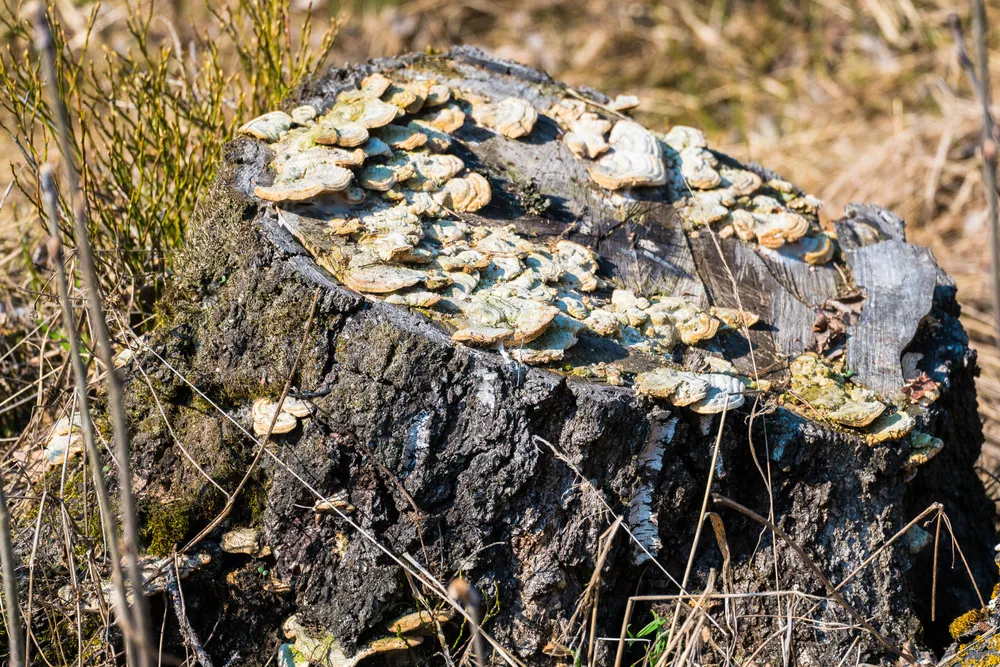
Fungi easily grow in decomposing wood. While some fungi are harmless, others may spread disease to nearby plants or create unsightly patches in your garden. Managing moisture and removing fungal growth early ensures the area remains healthy. Prevention involves the following:
Early detection helps prevent major issues. Both pests and fungi leave noticeable signs that suggest the area needs intervention. Homeowners who monitor the site regularly can catch these problems before they spread. Watch for these issues:
Even after stump grinding, some tree species attempt to regrow using live roots underground. These sucker shoots may pop up weeks or months later, often surprising homeowners who thought the job was complete. Understanding how to prevent regrowth ensures the area stays clear and your landscape remains easy to maintain.
Some tree species can still produce new shoots even after the stump is ground. These roots attempt to regain energy and survive by producing sucker shoots whenever nutrients or moisture become available. Regrowth is common in:
Stopping sucker shoots early prevents them from becoming established. Depending on the species and soil conditions, the best methods may combine physical removal and chemical treatments to fully discourage the roots from producing new growth. Here are some recommended methods you might want to try:
Stump grinding is only the beginning of restoring a healthy, hazard-free outdoor space. What happens beneath the surface determines whether your landscape recovers smoothly or develops issues months down the track. From soil settling and nutrient imbalance to pests, fungal activity and the risk of regrowth, proper aftercare protects both your property and the plants that surround it. By understanding the full lifecycle of a stump, you ensure the space becomes usable, safe and visually appealing again. If you want the stump gone and the ground fully restored, our team at North Shore Tree Services is here to help. We don’t just grind and leave; we guide you through the entire aftercare process to ensure long-term stability, safety and soil health. Contact us today for a thorough, reliable and property-safe solution!