When a tree on a Sydney property starts to dominate the yard, block light or show signs of stress, one of the most important questions is whether it should be reduced or removed. For many homeowners, the choice is not always straightforward. At North Shore Tree Services, this is a common issue encountered across the North Shore and wider Sydney, where trees often need to be managed carefully to balance safety, appearance and long-term practicality.
This article explains the difference between crown reduction and tree removal, when each option may be appropriate and what factors should shape the decision. It looks at how each approach affects safety, long-term tree health, property use, costs and council approvals, while also outlining the warning signs that may indicate a tree has become hazardous. With a clearer understanding of how arborists assess these situations, homeowners can make more informed decisions that suit both the property and the long-term condition of the landscape.
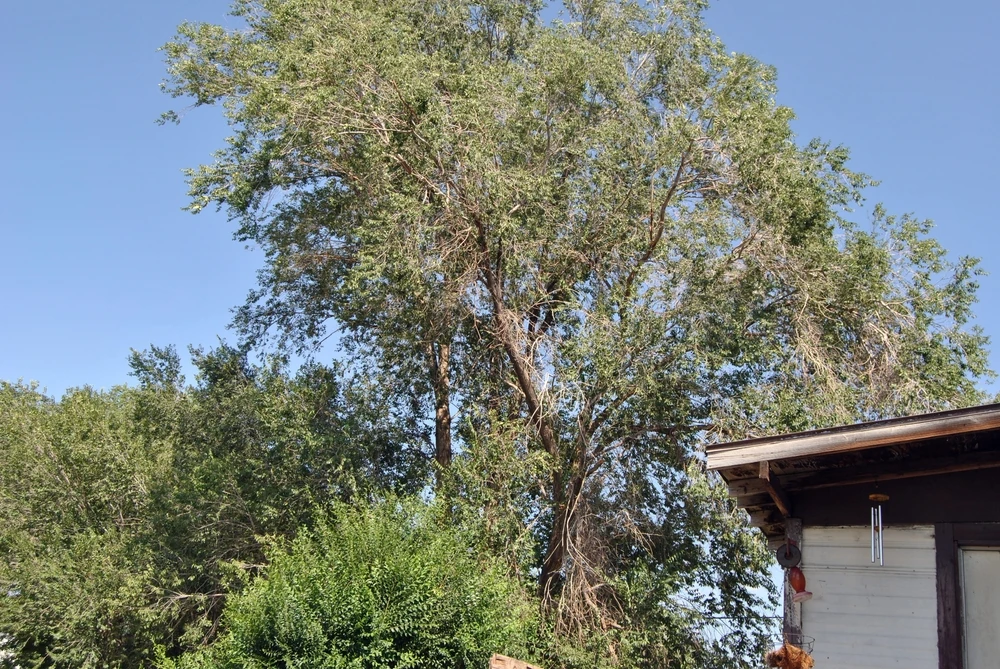
Crown reduction is appropriate when a tree needs to be made smaller, lighter or safer but can still be retained as a healthy and worthwhile feature on the property. It involves selectively shortening branches in the upper and outer canopy to reduce overall height and spread while preserving the tree’s natural form as much as possible.
For Sydney homeowners, crown reduction is often the preferred option where there are concerns about size, shade, views or clearance, but removal would be unnecessary or undesirable. The key question is whether the tree can remain safe and manageable through careful pruning rather than full removal.
Crown reduction is often suitable where a tree has outgrown its space but remains healthy and structurally sound. On the North Shore, this commonly applies to large trees near homes where branches begin to overhang roofs, gutters, solar panels or outdoor living areas.
It can also help improve light penetration to gardens and interiors. By selectively reducing outer growth and easing canopy density where appropriate, more sunlight can reach lawns, garden beds, pools and living areas without stripping the tree or undermining its health. In some cases, crown reduction can also help open filtered views while still retaining privacy, shade and habitat value.
In these situations, the aim is containment rather than harsh alteration. Only a reasonable proportion of the canopy should be removed at one time, and cuts should be made back to suitable growth points so the tree can respond properly and maintain a stable structure.
Crown reduction may also be appropriate where a tree has become a safety concern but the main structure remains sound. This is often the case with mature trees that have developed long, extended limbs over houses, driveways, play areas or neighbouring properties.
A reduction can help by:
If defects are limited to particular limbs and the trunk and root system remain stable, crown reduction can significantly lower risk while allowing the tree to be retained. If there are major structural faults, advanced decay or root failure, pruning alone is usually not enough and removal becomes the more appropriate option.
On tighter North Shore blocks, crown reduction is often used as a practical compromise where trees are close to houses, service lines or neighbouring properties. It can help maintain clearance from buildings, gutters and outdoor spaces while avoiding the visual and environmental impact of complete removal.
It can also be useful for boundary trees where branches are encroaching into a neighbouring yard or overhanging a roof. A measured reduction may resolve the issue while preserving privacy, shade and the overall shape of the tree.
Crown reduction is generally most appropriate when:
Crown reduction can often preserve a tree that has become too large or awkward for its setting. There are situations, however, where complete removal is clearly the safer and more responsible choice. The key is recognising when a tree is beyond remedial pruning and has become an ongoing structural, practical or legal risk.
If a tree is structurally unsound or in serious decline, removal is usually the only safe option. Common warning signs include:
In many older trees, internal decay can develop long before obvious canopy dieback appears. A tree may still look leafy and vigorous while being structurally compromised. Where the main stem or root plate is no longer reliable, crown reduction cannot restore the tree’s strength, and removal is usually the safer long-term decision.
A tree that may be acceptable in a large open space can become unreasonably hazardous in a dense urban setting. Removal is often necessary when:
Crown reduction can reduce some overhang, but if the tree’s growth habit, lean or species characteristics mean it will continue to create ongoing conflict with high-value assets, removal is often the more practical solution.
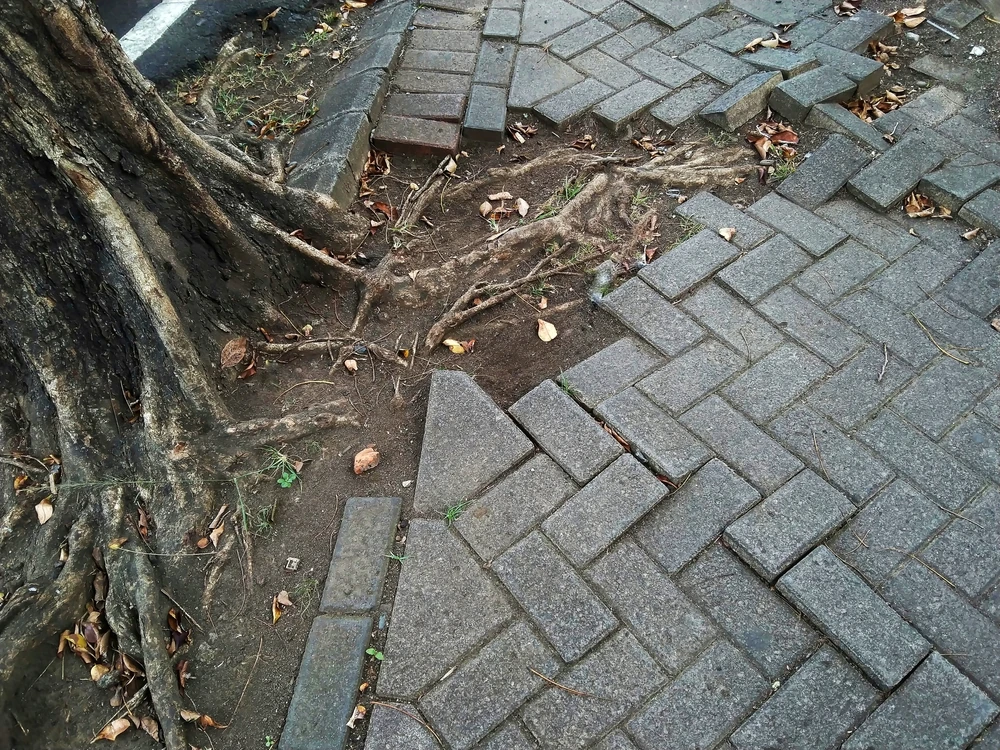
In Sydney’s clay soils, tree roots can place pressure on surrounding structures and services. Removal may become necessary where roots are:
In these cases, cutting major roots to protect structures can destabilise the tree. Where root pruning would make the tree unsafe, full removal is often the only responsible choice.
Cost is often a major factor when deciding between crown reduction and complete removal. In Sydney, the price difference can be considerable, but it depends on the size of the tree, access, species, site layout and the complexity of the work rather than a simple assumption that one option is always cheaper.
Both services require qualified arborists, specialised equipment and insurance, so neither is a low-cost shortcut. Crown reduction is often less expensive upfront where the tree is healthy and only needs to be managed. Full removal usually costs more because it involves more dismantling, more waste removal and, in many cases, stump grinding as well.
For a typical suburban site in the North Shore or wider Sydney area:
Stump grinding is usually an additional cost if full removal is chosen. Depending on stump size and access, this can add several hundred dollars to the job.
Several site conditions have a strong influence on price:
Tree size and spread
Larger trees with wider canopies take more time to prune or dismantle and generally require more climbing, rigging and clean-up.
Access
Tight rear yards, steep blocks and limited machinery access increase labour time and can make both reduction and removal more expensive.
Nearby structures and services
Trees overhanging roofs, pools, glass areas or service lines require more controlled work, which increases complexity and cost.
Waste volume
Removal usually generates more timber and debris than crown reduction, so disposal costs are often higher.
Permits and reports
Where council approval or a consulting arborist report is required, this adds to the overall cost of the project even if it is separate from the contractor’s price.
Crown reduction can be more cost-effective over time when the tree is worth retaining for shade, privacy, habitat or landscape value. In some cases, periodic management every few years may still cost less over the long term than removing a mature tree and replacing the functions it provided.
Full removal tends to make better financial sense where:
In these situations, repeated crown reductions can become a false economy, and a single planned removal is often the better long-term solution.
Tree work on the North Shore is often tightly regulated, and many crown reductions or removals require council approval. Carrying out work without the correct permit can result in fines, replacement planting orders and unnecessary disputes, so it is important to understand what is likely to need approval and what may be exempt.
Each Sydney council has its own Tree Preservation Order, tree policy or Development Control Plan. While the principles are often similar, the details differ. Before any work begins, the relevant local council requirements should always be checked.
In many Sydney council areas, approval is required for removal, substantial pruning or crown reduction where a tree meets certain height, trunk diameter or canopy thresholds.
A permit is commonly needed for:
Trees linked to development proposals, such as building extensions, retaining walls or pools, are also often assessed as part of the planning process rather than routine maintenance.
Although many trees are protected, councils usually provide some exemptions. These may include:
In bushfire-prone areas, the NSW 10/50 Vegetation Clearing Scheme may also apply in some circumstances, although the rules and mapped eligibility areas must be checked carefully.
The starting point is usually the local council website under tree preservation, tree management or pruning and removal. Most councils provide:
Applications commonly require a site plan, photographs, a clear reason for the proposed work and, in some cases, a report from a qualified arborist. Straightforward applications may be determined within a few weeks, although timeframes vary.
The choice between crown reduction and tree removal does not only affect the immediate job. It also affects long-term safety, future maintenance costs and how the landscape functions over time.
On the North Shore, conditions such as clay soils, strong winds and storms make long-term planning especially important. Poor pruning or a short-term decision can create problems that are not obvious until years later.
Crown reduction changes how a tree distributes weight and responds to wind. If cuts are too large or made poorly, decay can develop at the pruning points and structural weakness may follow. On older or stressed trees, repeated reductions can also accelerate decline.
Regrowth is another important consideration. Many trees respond to reduction by producing vigorous upright shoots near the pruning points. These shoots often have weaker attachments than the original limbs and may require future management to prevent failures later on.
Crown reduction is not usually a one-off fix. Once a tree has been reduced, it often needs ongoing inspections and follow-up pruning to maintain a safe and balanced canopy.
For many residential trees, inspections every few years are sensible after a significant reduction. Fast-growing species or trees in exposed positions may need attention more often. Ongoing work may involve managing regrowth, correcting developing structural issues and removing dead or crossing branches.
Removal eliminates the risk associated with that tree, but it also changes the site in other ways. Without the tree, the property may lose shade, privacy, visual softness and cooling benefits. Garden beds and outdoor areas may become more exposed, and on sloping or reactive sites, the loss of root structure may also affect soil stability.
The stump also needs to be considered. If it is left in place, it may interfere with replanting or landscaping and can sometimes contribute to fungal problems or unwanted regrowth. Even after stump grinding, some species may continue to sucker.
Removal also creates an opportunity to rethink the planting strategy. In many cases, replacing one unsuitable tree with a better species is the best long-term result.
Choosing between crown reduction and complete tree removal has direct implications for safety, cost, compliance and long-term landscape value. The right option depends on the tree’s condition, location, structural reliability and the extent to which its problems can realistically be managed.
For North Shore homeowners, the decision should never be based on appearance alone. A proper assessment of risk, site conditions, council requirements and future maintenance needs is essential.
Safety should always be the first consideration. If a tree presents a significant and immediate risk that cannot be reduced to an acceptable level through pruning, removal is usually the only responsible option.
Important warning signs include:
Where the tree is otherwise sound and the risk comes mainly from overextended limbs or excessive canopy weight, crown reduction may still be a suitable option.
The tree’s position on the site has a major influence on the decision. Even a healthy tree may be poorly suited to a tight urban block.
Crown reduction is often the better option when:
Removal is generally more appropriate when:
Many North Shore councils regulate both removal and substantial crown reduction. Proceeding without approval can lead to fines and further obligations, so it is important to understand the legal position before any work begins.
A sound decision takes into account:
Crown reduction is generally the better choice where the tree is healthy, structurally sound and worth retaining for shade, privacy or character. Removal is usually justified where the defects are too severe, the location is too restrictive or the long-term risks cannot be managed in a practical and sustainable way.
Choosing between crown reduction and full tree removal on a Sydney property is less about preference and more about making a well-informed decision based on safety, structure, location and long-term practicality. Crown reduction can often preserve a valuable tree while improving clearance, reducing risk and maintaining the broader character of the landscape. Removal, however, becomes necessary where a tree is structurally unsound, in decline, poorly located or likely to cause ongoing damage or management issues.
The most reliable way to make the right call is through a proper assessment by a qualified arborist who understands local tree species, site constraints and council requirements. With clear advice and a realistic view of the long-term implications, homeowners can choose the option that best protects the property, supports the landscape and avoids unnecessary risk.