Tree removal in Sydney is rarely a one price fits all kind of service. Homeowners on the North Shore quickly discover that quotes can differ significantly for what appears to be the same job. North Shore Tree Services has seen how factors such as tree size, location, access and risk can change the complexity of the work and the equipment required which in turn changes the cost. This article gives homeowners a clear picture of why prices vary across Sydney and what kind of figures to expect before committing to any tree work.
Readers will learn how average tree removal costs shift with tree height canopy spread and overall difficulty along with the way tight access sloping blocks nearby structures or powerlines can increase pricing. North Shore Tree Services will explain how tree species decay and structural defects influence risk load and insurance requirements why council approval or permits may be needed in many Sydney LGAs and what compliance can add to the bill. The article will also highlight additional expenses that are often overlooked such as stump grinding green waste removal traffic control or crane hire so homeowners can budget accurately and avoid unpleasant surprises when planning their next tree removal.
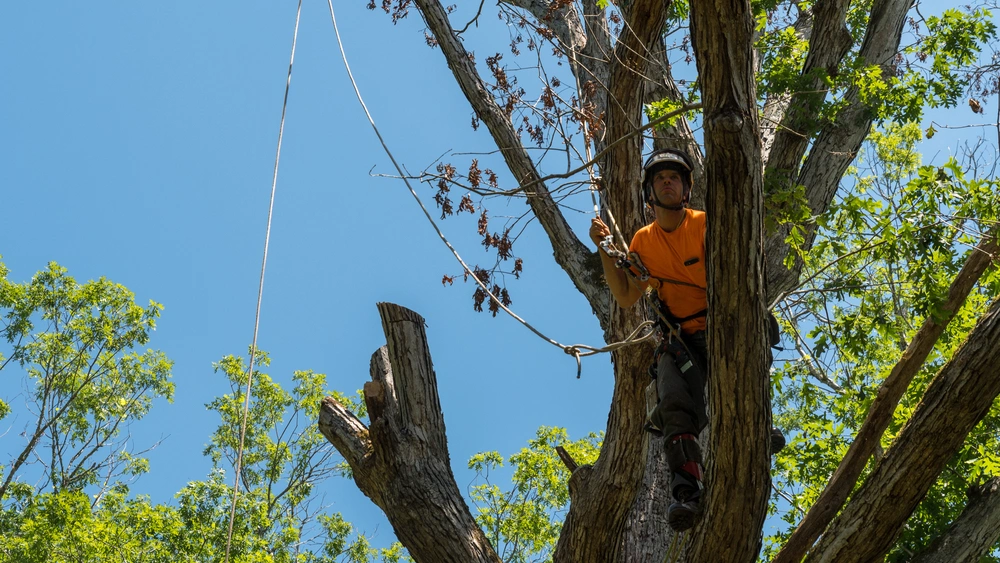
Tree removal pricing in Sydney is not one size fits all. Homeowners on the North Shore will see quotes change based on the size and species of the tree, how difficult it is to access, what risks are involved and what council rules apply. Understanding these factors helps explain why one job might be a few hundred dollars while another on the same street is several thousand.
Professional arborists assess each tree on site before providing a final quote. This allows the team to consider safety equipment, access constraints, traffic management and disposal requirements so homeowners only pay for what their specific job requires.
The most obvious cost driver is the physical size of the tree. Taller and broader trees take longer to dismantle need more climbers and ground crew and produce more green waste to remove.
Species also matters. Hardwoods such as gum trees and ironbark are more difficult to cut and heavier to lower which increases time on site and wear on equipment. Palms often look simpler but the fibrous material can be difficult to chip and the trunk sections are heavy to move.
Tree health affects both safety and technique. Dead or decaying trees can be brittle and unpredictable which often means extra rigging and slower cutting to prevent sudden limb failure. A structurally unstable tree near a house or pool will generally cost more than a healthy one of the same size in the middle of a lawn.
Sydney blocks particularly on the North Shore often have steep slopes narrow side paths and limited street parking. Easy access where our team can back a truck and chipper close to the tree keeps costs down. Difficult access where everything must be carried by hand up stairs through carports or via tight side passages adds significant labour time.
Obstacles under or around the tree are equally important. Trees overhanging roofs powerlines sheds fences pools or neighbouring properties require detailed planning and controlled lowering of each section. This may involve:
- Additional rigging gear and lowering devices
- Extra staff to manage ropes spot hazards and control traffic or pedestrians
More risk means more time and more experienced personnel which is reflected in the quote. If powerline shutdowns or road occupancy permits are needed those external fees are also factored into the final cost.
Sydney councils, including those on the North Shore, have specific rules for tree work. Some trees require approval before removal, which can delay scheduling. While the application fee is paid directly to council, the need to comply with conditions such as partial pruning instead of full removal can influence how complex and time-consuming the job becomes.
Disposal costs can also vary. Larger trees fill more truckloads, and tipping fees at green waste or recycling facilities are based on volume and weight. If a homeowner wants stump grinding, timber cut into firewood-sized pieces or mulch left on site, this will change both the scope and the final price quoted.
Tree removal pricing on Sydney’s North Shore varies widely because no two trees or sites are identical. As a general guide homeowners can expect costs to rise with tree height trunk diameter canopy spread and how difficult the tree is to access. The figures below are typical ranges for standard removals in suburban conditions and assume no extraordinary risks such as power line shutdowns or crane work.
It is important to treat these as estimates only. The final quote will depend on a site inspection where our arborists assess hazards surrounding structures required equipment and disposal needs.
Small ornamental or young trees are usually the most straightforward to remove. On the North Shore a simple small tree removal typically ranges from $250 to $700 including cutting the tree down sectioning it and removing branches and smaller timber from site.
This size group often includes species like small citrus trees young natives or narrow feature plantings. Costs stay at the lower end if the tree is in open lawn with easy access for our chipper and ute. Prices move higher when there are gardens to protect fences close by or limited side access that requires more manual handling.
If stump grinding is required for a small tree homeowners can usually allow an additional $200 to $300 depending on stump diameter and location.
Medium trees are common in North Shore backyards and include many ornamental pears crepe myrtles and mid sized natives. Removal for this category generally falls between $1300 and $2500.
The variation mostly comes from:
- How close the tree is to the house, shed, pool or fence
- Whether climbing and rigging are required to lower limbs safely
- How constrained vehicle and equipment access is along driveways or side passages
For example a 7 metre tree in open lawn with clear drop zones and good truck access will usually be toward the lower end. The same sized tree overhanging a roof or glass pool fence that must be dismantled in small rigged pieces will push the cost toward the upper range. Stump grinding for medium trees typically adds $250 to $350.
Large established gums, angophoras, liquidambars and similar species are more complex and time consuming to remove. On the North Shore, large tree removal commonly ranges from $1800 to $3500 or more depending on size spread and difficulty.
Costs increase when:
A 12 metre tree with moderate spread in a normal backyard with clear rigging options might sit in the lower half of this range. Very large trees 20 metres plus or trees requiring traffic control or power line shutdown can exceed $5000. Stump grinding for large trees often ranges from $400 to $700 reflecting the larger diameter and root system.
Where a tree sits on a Sydney property often has just as much impact on price as the size of the tree itself. Arborists assess how easy the tree is to reach, what is underneath and around it and how safely it can be dismantled. The more complex the access and surroundings, the more time, equipment and crew are required, which increases cost.
Understanding these factors helps homeowners see why two similar trees can be quoted very differently. It also shows where simple site changes can reduce risk and, in some cases, help keep costs down.
Trees in a front yard with clear street access are usually the most economical to remove. The crew can park the truck and chipper nearby, feed branches straight into the chipper and remove timber quickly. This reduces labour time and equipment handling.
Costs rise when trees are in rear yards with narrow side paths, steep driveways or many stairs. If machinery such as a chipper or stump grinder cannot reach the tree, branches and logs must be carried or roped out by hand. This is slower and harder on the crew, so the job takes longer and may require more people.
Inner North Shore blocks and older suburbs often have shared driveways, limited parking and tight side access. Arborists will factor in:
The closer a tree is to a house, garage, pool, retaining wall or boundary fence the more controlled the dismantling must be. Instead of felling the tree in one piece the crew usually needs to climb and remove it section by section using rigging techniques so branches and logs can be lowered safely.
Trees overhanging roofs, pergolas, glass pool fences or neighbouring properties typically require:
All of this is reflected in the quote. In tightly built North Shore streets even a medium tree can take as long as a large free standing tree in a more open yard.
Powerlines, NBN cables and service lines add another layer of complexity. If a tree is near or growing through overhead cables the work may need to be done around network shutdown times or with insulated equipment and specialist techniques. In some cases notification or clearance from the electricity provider is required which can increase both planning time and cost.
Underground services such as water, gas and sewer lines near the stump influence how the stump is removed. The team may need to locate services before grinding and work at a shallower depth which is slower and more careful work.
Pools, landscaped gardens, heritage structures and council trees on verges also affect pricing. Protecting paving, garden features and shared spaces may require ground mats, extra clean up and more precise rigging so debris does not damage surfaces or plants. All of these considerations make the job safer but also more involved which is reflected in the overall tree removal cost.
Tree condition, species and overall risk profile are three of the biggest drivers of tree removal cost on Sydney’s North Shore. Two trees of the same height can be priced very differently if one is rotten at the base or hanging over a roof while the other is healthy and clear of structures. Arborists assess these factors on site before confirming a quote so homeowners understand exactly what they are paying for.
In practical terms, the more complex or hazardous the job, the more equipment, planning and crew time it requires. This is what pushes a standard removal into a higher price bracket. Understanding these influences helps homeowners anticipate costs and decide whether removal is urgent or can be planned ahead.
Tree condition is often the first thing the crew looks at. A healthy tree with sound wood is usually more predictable to work on. Climbers can safely move through the canopy and rig sections down in a controlled way, which keeps labour and setup time down.
By contrast, decayed or storm-damaged trees can become far more expensive. Extensive rot in the trunk or major limbs means the tree may not be safe to climb. In these cases, an elevated work platform or crane may be required, along with additional rigging to prevent sudden failure. This can turn what appears to be a simple backyard gum into a high-risk technical removal.
Leaning trees or those with uprooted root plates are also more complex. If a tree is already shifting after heavy rain, there may be only a narrow window to remove it safely. That can require extra ground crew and staged cuts to manage where the tree will fall, which increases labour time.
Different species common on the North Shore affect cost in several ways. Large eucalypts, angophoras and turpentines typically have dense, heavy timber and long limbs that reach over houses and powerlines. Removing them often involves detailed rigging to lower each section, which takes longer than dismantling a smaller ornamental tree in an open lawn.
Palms can seem straightforward, but some varieties hold large, heavy fronds and fruit that need careful handling near pools or roofs. Others are spiky or fibrous, which slows down clean-up and chipping.
Native and significant species can also be protected under local council controls. Sydney red gums and certain angophoras, for example, may require a permit before removal. While the council fee is separate from the contractor’s quote, the extra time required for documentation and planning is usually reflected in the final price. Professional arborists can help homeowners navigate these rules so the work remains compliant and avoids fines.
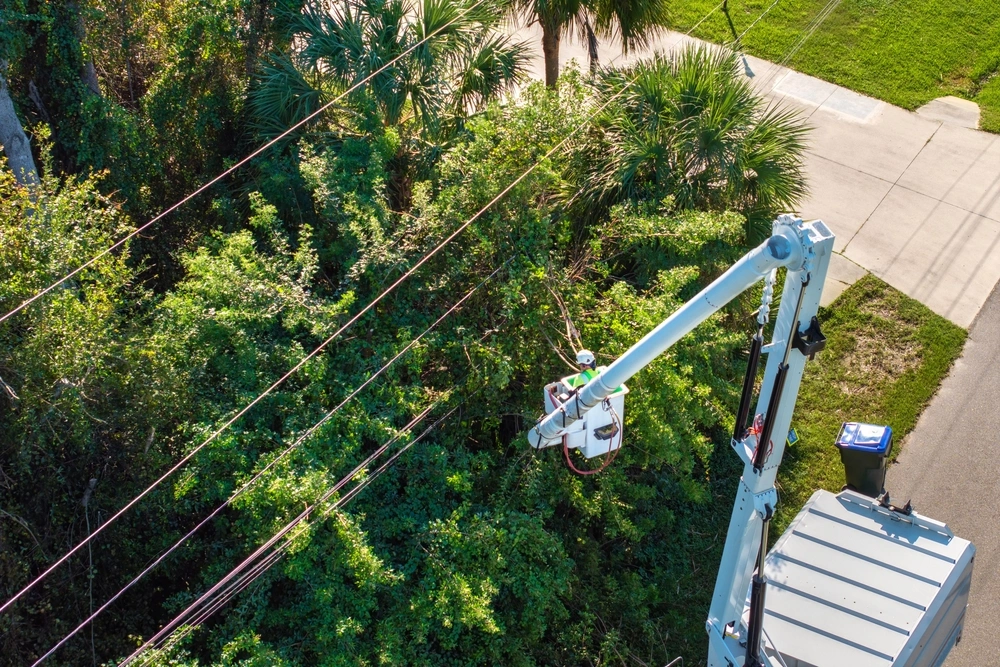
Risk is not only about the tree but everything around it. A medium tree wedged between two houses, with service lines running through the canopy, will nearly always cost more than a larger tree in an open yard.
Key factors that increase price include:
Where property or utilities are at risk, removals shift into a technical category. The crew may need to climb and lower every section by rope, use mechanical lowering devices to control heavy limbs and implement additional safety controls.
If trees are encroaching on powerlines, work may require coordination with the local electricity network provider, such as Ausgrid in much of Sydney. In some cases, temporary line isolation or authorised electrical clearance is required before tree work can proceed. These additional steps increase planning time, crew requirements and sometimes specialist equipment, which is why high-risk jobs attract higher quotes.
For many Sydney homeowners, the cost of removing a tree is heavily influenced by council rules. On the North Shore in particular, most larger or established trees are protected under local Tree Preservation Orders, so council approval is often required before any significant pruning or removal. Ignoring this step can result in hefty fines and orders to replant, which can end up costing far more than doing it properly from the start.
These rules vary between local government areas such as North Sydney, Willoughby, Ku-ring-gai, Lane Cove and Mosman. Permit and compliance costs usually sit on top of the physical removal price, so they need to be factored into any realistic budget.
Each council sets its own size and species thresholds. However, a permit is commonly required if:
Some trees are exempt, such as certain invasive species or very small ornamental trees. Many councils also allow removal without approval if the tree is dead, poses an immediate safety risk or is within a 10/50 bushfire vegetation clearing entitlement zone, provided evidence is documented.
An on-site assessment is typically carried out first to determine whether a permit is required under the relevant council Development Control Plan or Tree Preservation Order.
Council charges differ, but most North Shore homeowners can expect:
If arborist reports are required, councils usually insist on a Level 5 AQF consulting arborist. These reports commonly cost several hundred dollars and are separate from the tree removal quote.
Where required, a consulting arborist can be engaged to prepare the report and coordinate documentation so the homeowner receives a clear upfront figure for both the report and the proposed removal.
Compliance is not only about obtaining initial approval. Councils often attach conditions such as:
If work is carried out without approval or outside these conditions, penalties can be significant. Several North Shore councils can issue fines in the thousands per tree, require remedial works or order mature replacement planting at the owner’s cost. In serious breaches, matters can be taken to the Land and Environment Court.
To avoid these costs, permit status should always be confirmed before scheduling work. Keeping photographic records and following council conditions precisely helps protect homeowners from unexpected compliance expenses and keeps the total project cost more predictable.
In the end, understanding what drives tree removal costs on Sydney’s North Shore is the best way to avoid surprises and make confident decisions about your property. The price you pay is never just about cutting down a tree. It reflects a combination of factors, including the size and complexity of the tree, how easy or difficult it is to access, what surrounds it, its condition and species, and the level of risk involved in removing it safely. Council approval, permits and compliance obligations can also add both time and cost. Extras such as stump grinding, green waste removal, dead-wooding, traffic control and site remediation are often overlooked when homeowners first start getting quotes.
When you look at the full picture, tree removal is a specialist service that balances safety, legal requirements and the long-term health and value of your property. By knowing what to expect and asking the right questions upfront, you can compare quotes on more than just price alone, choose a reputable and fully insured arborist, and ensure the work is completed safely, legally and to a standard that protects your home and your investment.