When a neighbour’s tree falls onto a fence, roof, vehicle or other structure, working out who is responsible for the damage and clean-up is not always straightforward. North Shore Tree Services understands that fallen trees can quickly become stressful, particularly when neighbouring properties are involved.
In NSW, responsibility can depend on the tree’s condition, why it fell, whether a known risk was ignored and what insurance policies cover. Understanding these factors can help property owners respond appropriately and avoid unnecessary disputes with neighbours.
For situations involving a dangerous or fallen tree, emergency tree removal in Sydney may be necessary to make the property safe. This guide explains how liability is assessed, the role of insurance, what happens when a tree damages structures and what steps to take after a tree falls, including documenting damage and arranging professional arborist advice.
Responsibility for a fallen tree depends on where the tree stood, why it fell and whether either property owner failed to address a foreseeable risk. Although the tree is normally the responsibility of the owner of the land where it grows, that does not automatically mean the owner must pay for damage on a neighbouring property.
If a healthy tree falls unexpectedly during a storm or high winds and there was no obvious warning that it was dangerous, the damage will often be handled through the affected property owner’s insurance. The neighbour may not be liable simply because the tree came from their property.
Legal Aid NSW provides guidance on damage caused by a neighbour’s tree, including storm-related incidents, evidence to collect and the circumstances in which the tree owner may be responsible.
However, liability may be different where there is evidence that the tree presented a known and foreseeable hazard. Factors that may indicate potential negligence include:
The affected property owner may claim through their own insurer, which may then seek to recover costs from the neighbour if negligence is established.
Council requirements can also affect how a hazardous tree is managed. Tree protection rules may restrict removal or major pruning, meaning property owners may need approval before carrying out work. Evidence that an owner sought appropriate approval but was refused may be relevant when the circumstances are assessed.
If a street tree or other council-managed tree causes damage, the council may be responsible depending on the circumstances. Previous complaints, inspection records and evidence of a known hazard can be important when determining whether the relevant authority was aware of the risk.
Where responsibility remains disputed, professional arborist reports, insurance records and legal advice can help establish what happened and whether any party may be responsible.
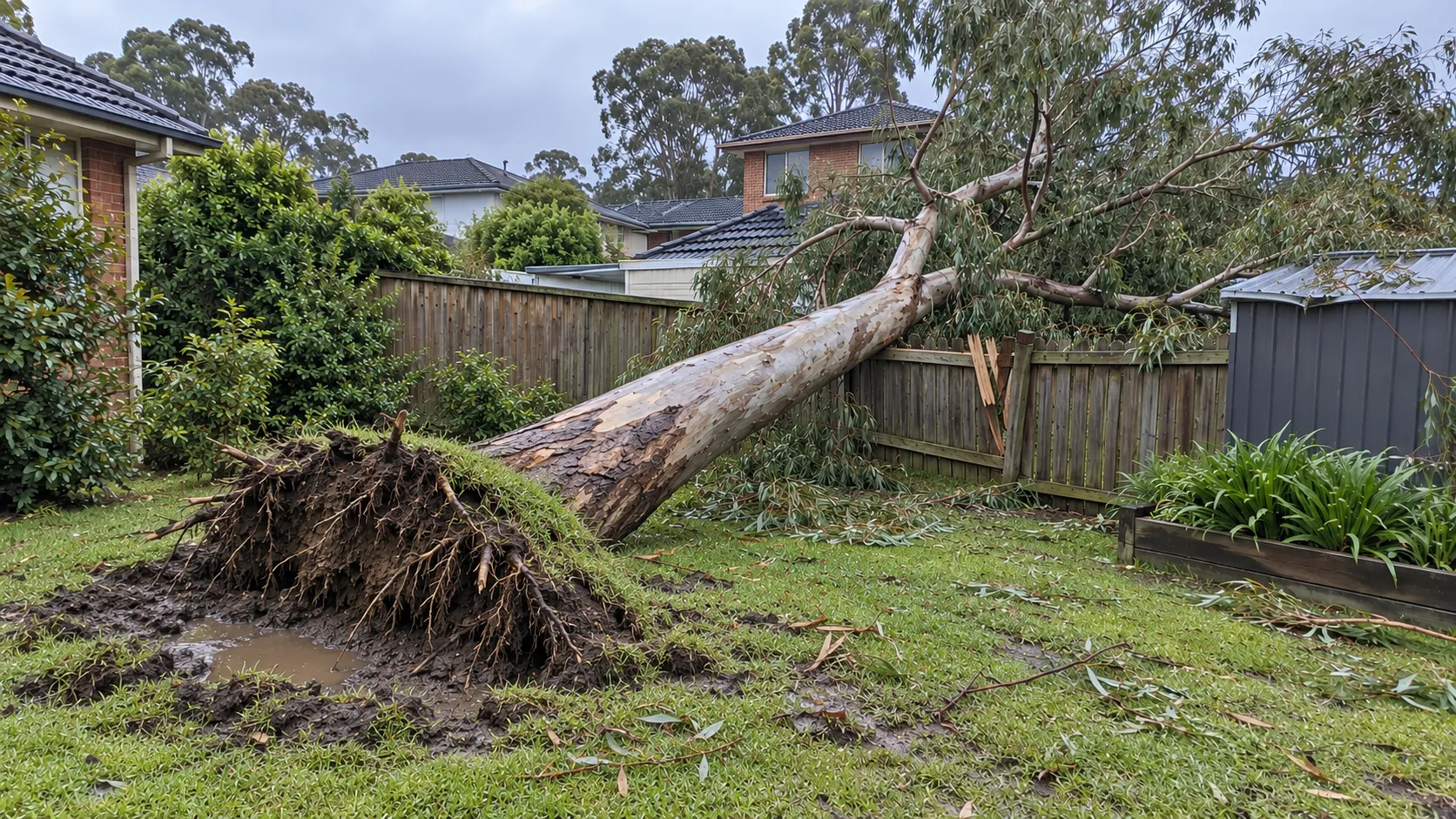
When a neighbour’s tree falls during a storm, the tree owner is not automatically responsible for the resulting damage. If the tree was healthy and there was no reasonable warning that it posed a danger, the event will be treated differently from a situation involving a known hazardous tree.
Recognising the signs a tree may fall during a storm, such as fresh leaning, soil movement, trunk cracks and dead branches, can help property owners arrange an assessment before severe weather causes a failure.
After a storm, the affected property owner should generally:
A storm does not necessarily resolve the question of responsibility. If the tree was already in poor condition and the owner knew, or reasonably should have known, about a foreseeable hazard, those circumstances may still be relevant when liability is assessed.
Insurance policies also differ in how they treat debris removal, particularly where a fallen tree has not damaged an insured structure.
A tree that was already dead, diseased, severely damaged or unstable before it fell may raise different liability issues from a healthy tree brought down by an unexpected storm. The key consideration is whether the owner knew, or reasonably should have known, that the tree posed a foreseeable risk and failed to take reasonable steps to address it.
Signs that may be relevant include:
A professional tree risk assessment can document structural defects, assess the likelihood of failure and provide evidence for insurance, council or liability matters.
Previous warnings and professional advice can be important. Emails, letters, council correspondence, photographs or arborist reports may help show that the owner was aware of a potential hazard before the tree fell.
However, an old or damaged tree does not automatically make the owner liable. Its condition needs to be considered alongside the weather, circumstances of the failure and what a reasonable property owner could have known at the time.
The cost of removing a fallen tree is not necessarily the same as the cost of repairing the damage it caused. Insurance may cover reasonable removal or debris costs when the tree has damaged an insured structure, but coverage varies between policies.
For example, a policy may provide some cover when a fallen tree damages a roof, fence, garage or shed, while a tree that simply falls into a garden without causing insured damage may not be covered.
The situation may also be different if the neighbour was potentially negligent. If the tree was visibly dangerous, previous warnings were ignored or professional advice recommended urgent work, there may be grounds to seek recovery of removal or repair costs. However, responsibility should not be assumed simply because the tree came from the neighbouring property.
If a fallen tree creates an immediate hazard, such as blocking access, damaging a structure or coming into contact with power lines, tree removal in Sydney may be necessary. Safety should come first, with professional arborists handling dangerous or unstable trees. Trees that have contacted power lines should be left to the relevant electricity distributor.
Consider safety, insurance and council requirements before arranging removal of a neighbour’s fallen tree. If the tree has created an immediate hazard, urgent professional work may be necessary.
Where removal is not immediately required for safety, it is better to document the scene and contact the insurer or relevant authority before substantial clean-up begins.
If urgent work is required, take photographs of the tree and damage beforehand where it is safe to do so and limit the work to what is necessary to make the property safe. An arborist can safely handle unstable trees and sections under tension, while trees near power lines should be left to the electricity distributor.
Council rules can also apply to protected trees, including parts that remain standing after a failure. Before arranging substantial removal, check whether council approval or an exemption is required.
Keeping photographs, correspondence, arborist reports and removal invoices can also help if responsibility or costs are disputed later.
Home insurance will often cover damage caused by a neighbour’s fallen tree, but coverage depends on the policy, the cause of the fall and the type of damage. In many cases, the affected property owner’s insurer handles the claim first, regardless of who owns the tree.
If the tree fell during an insured event, repairs may be covered subject to the policy’s terms and exclusions.
Tree removal and debris clean-up are more dependent on the individual policy. Insurers may cover reasonable removal costs when the tree has damaged an insured structure or is blocking access to the home, driveway or essential services. If it has simply fallen into a garden without causing insured damage or blocking access, removal may not be covered.
If there is evidence that the neighbour knew, or should have known, the tree was dangerous, their potential liability may also be considered. Previous warnings, council correspondence, photographs and arborist reports can help establish whether negligence may have contributed to the damage.
When a neighbour’s tree damages a fence, roof, garage, shed or other structure, the immediate priority is to make the area safe and document the damage. The affected property owner may then need to arrange an assessment and make a claim through their own home insurer.
The neighbour is not automatically responsible simply because the tree came from their property.
Where the damage resulted from an insured event such as a storm, the affected owner’s policy may cover repairs and, depending on the policy, reasonable tree removal costs.
If the tree was already known to be dangerous, the circumstances may be different. Where negligence can be established, the tree owner may potentially be responsible for resulting losses.
Previous complaints, arborist reports, visible defects or records of earlier branch failures may help show that the neighbour knew, or reasonably should have known, about the risk.
An insurer may also investigate whether another party was legally responsible and, where appropriate, seek to recover costs from that party.
Before repairs or removal begin, document the damage where it is safe to do so. Take photographs and videos of:
Keep repair quotes, invoices and correspondence with the insurer or neighbour. These records can help if the cause of the damage, insurance coverage or responsibility is later disputed.
Clear evidence can help with insurance claims and any dispute about responsibility. Document the scene as soon as it is safe to do so, ideally before the tree or damaged structures are moved or repaired.
Take photos and videos showing:
Use multiple angles and include recognisable features like fences or buildings.
Note the date, approximate time and weather conditions when the tree fell. Keeping relevant warnings or storm reports may help establish whether the tree failed during severe weather or whether other factors may have contributed.
If the tree had been reported as dangerous, retain:
These records can help show whether the neighbour was aware, or should reasonably have been aware, of a potential risk.
Retain insurance correspondence, repair quotes, invoices and arborist bills, including costs for emergency work or temporary repairs.
Keeping photographs, communications and financial records together creates a clear record of the incident and can support an insurance claim or later dispute over liability.
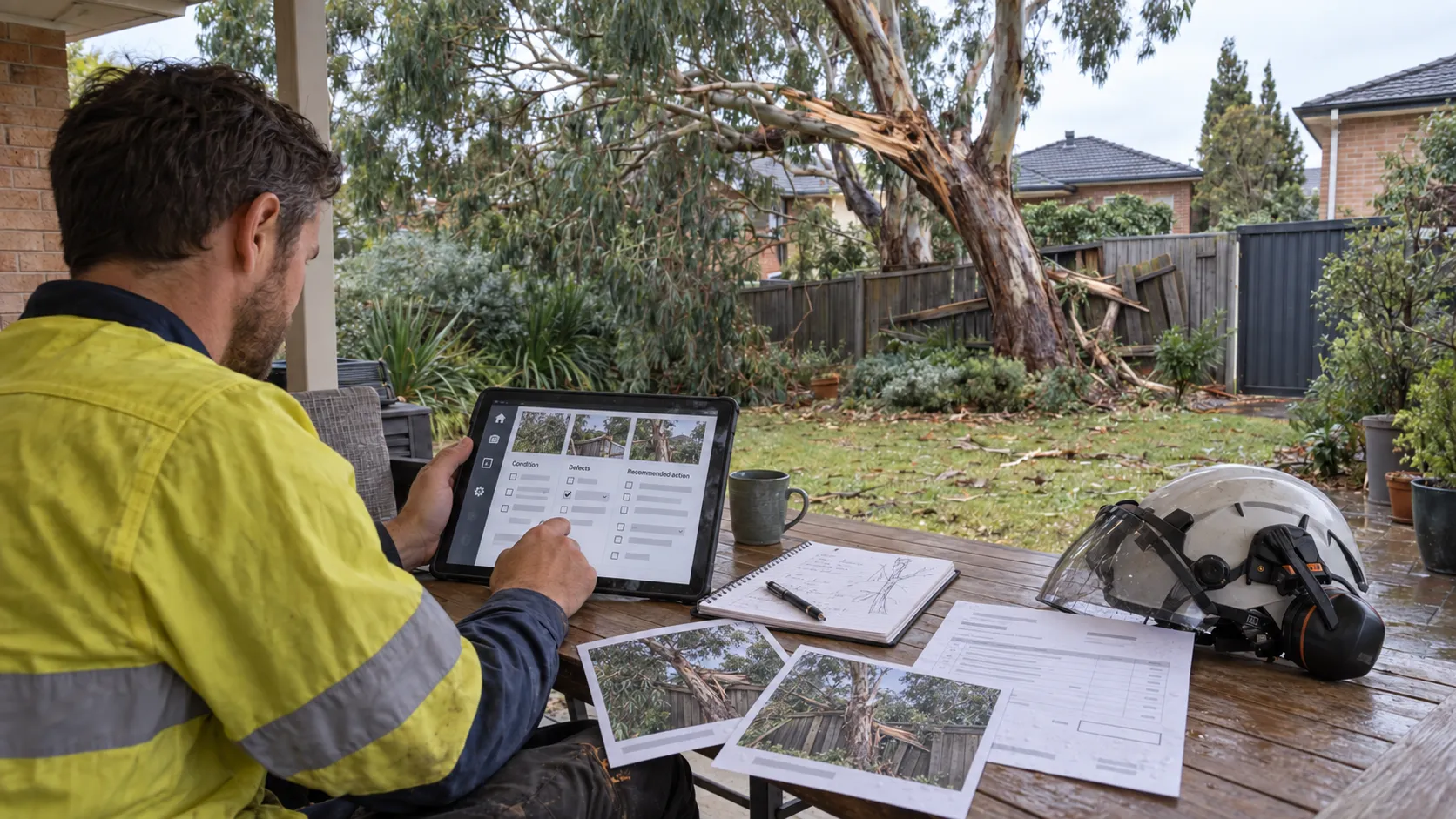
If you and your neighbour cannot agree about a fallen tree, damage or ongoing safety concerns, it is usually best to take a structured approach before escalating the dispute. Keeping communication in writing, gathering evidence and obtaining professional advice can help clarify each party’s responsibilities and support a practical resolution.
Document the situation and keep copies of:
Where possible, explain concerns and the proposed solution to the neighbour in writing. Clear, factual communication can reduce misunderstandings and provide useful evidence if the matter later needs to be reviewed by an insurer, mediator or legal professional.
If an agreement cannot be reached, an independent arborist report can help establish the tree’s condition, risks and recommended work. Mediation may provide a practical way to resolve the dispute without immediately pursuing legal action.
If negotiation and mediation do not resolve the issue, a tribunal or court process may be appropriate depending on the circumstances, type of claim and jurisdiction involved.
The NSW Land and Environment Court explains the requirements for tree dispute applications, including the expert reports, photographs and other evidence that may be needed.
Relevant evidence can include arborist reports, photographs, council records, previous complaints and insurance documentation. Legal advice can help determine the appropriate pathway before formal proceedings are started.
When a neighbour’s tree falls onto a property, responsibility for the damage and clean-up depends on factors such as the tree’s condition, whether the risk was foreseeable and whether either owner failed to address a known hazard. Insurance may cover many of the immediate costs, but it does not necessarily settle questions of liability or ongoing safety. Understanding council requirements, keeping records of warnings and inspections and documenting the damage can help property owners manage the situation and reduce unnecessary disputes.
North Shore Tree Services can provide professional tree inspections, pruning, removal and reporting to help identify hazards before they cause damage. Taking action early and seeking qualified arboricultural advice can protect the property, improve safety and reduce the risk of costly problems when severe weather strikes.