Our team at North Shore Tree Services often notices large vegetation fail during storms because early warning signs were missed or ignored. Many property owners in Sydney assume that tall or established growth is stable, but storms reveal weaknesses that form quietly over long periods. Strong winds combined with saturated soil and structural decay are common triggers that cause leaning or uprooting during harsh conditions. Knowing the signs helps reduce danger and gives property owners time to organise safe assessments for tree removal in Sydney before costly damage occurs.
Many problems begin long before a storm arrives and usually show up through soil movement or trunk defects. Minor leaning can become severe after heavy rain, and small trunk wounds can allow decay to spread until the internal fibres lose strength. Property owners benefit from learning how wind and structural weakness interact because these factors often combine during the peak of a storm. Early awareness is always valuable because once failure begins, there is very little time to react.
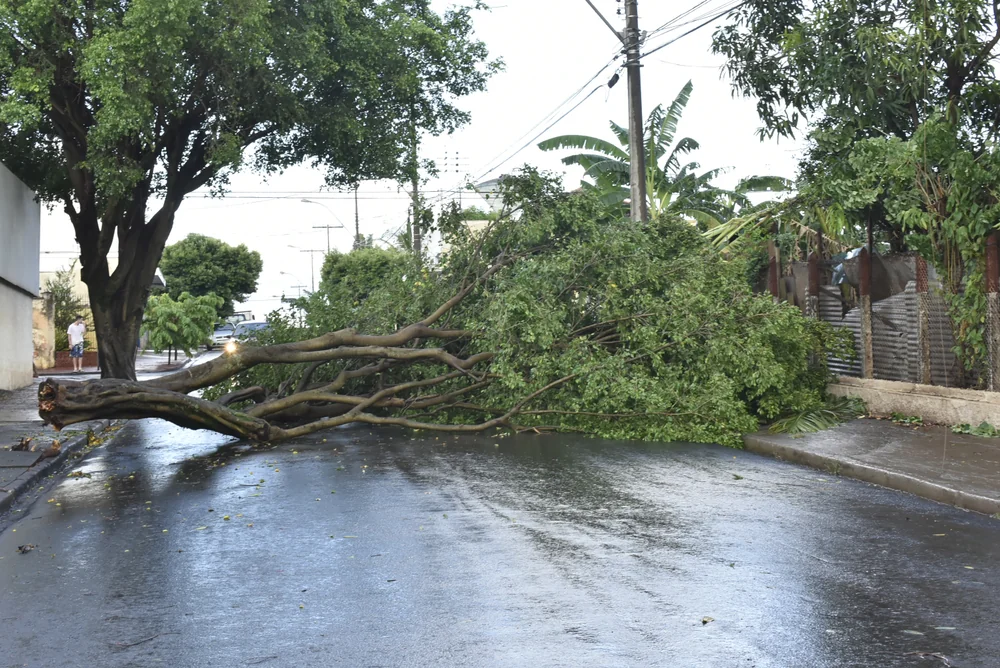
Strong winds and waterlogged soil create a risky environment for tall vegetation. The roots rely on ground density for support, but the soil loses the friction needed for anchorage once saturated. High winds then push against the canopy and trunk, applying force that the weakened anchorage cannot resist. This combination creates leaning and complete uprooting during heavy storms.
Soil saturation reduces the holding strength of the ground and allows roots to shift under lateral pressure. Heavy rain softens clay and sandy soils until the root system no longer grips firmly enough to stabilise the structure during windy conditions. Once anchorage weakens, even moderate gusts can tip or rotate the base.
Wind interacts with tall vegetation like a sail, applying force across the canopy and trunk. Dense foliage captures more wind and increases the loading placed on internal fibres and anchoring roots. If the soil is saturated, roots struggle to counter the pressure or keep the structure upright.
Every structure remains upright because its natural resistance is greater than external forces. Once external forces exceed that limit, tipping or collapse may occur. Saturated soil reduces natural resistance, making it easier for wind to overpower the anchoring system.
Leaning and soil movement are among the clearest signs of instability after heavy rainfall. When the base shifts or the ground heaves, the root system is likely losing its ability to support the upper structure. These changes often occur quietly, but the visual signs appear quickly and should be taken seriously. Early attention at this stage prevents collapse and reduces emergency risks.
Soil heaving happens when roots lift or push up surrounding ground during lateral movement. Heavy rain softens the soil enough to allow this displacement, revealing underlying anchorage failure. Soil heaving is a strong indicator that instability is present.
A lean that develops quickly is more dangerous than one that formed over years. Slow leaning often stabilises, but fast leaning suggests sudden root failure or ground disturbance during storms. Property owners usually notice the lean after the storm passes, which means the structure already endured significant stress.
The root plate acts as the underground foundation that holds everything in place. Rotation suggests that the anchoring system is no longer fixed firmly and may shift or pivot during storms. This is one of the most serious signs of instability because rotation often precedes total uprooting.
The trunk works like a central column that supports weight and transfers wind force into the roots. When the trunk is damaged, internal strength declines even if the outer shell appears intact. Cracks or cavities, decay or wounds weaken the fibres that allow the trunk to flex under pressure. During storms, these weak points can split or snap and cause sudden failure.
Vertical cracks indicate internal separation of supportive fibres. When fibres separate, flexibility decreases and the trunk loses its ability to distribute wind force safely. This makes vertical cracking especially dangerous during storms.
Cavities form from decay or old wounds and greatly reduce load-bearing strength. Hollow trunks may appear solid from the outside, but the missing internal wood means reduced structural support during storms. Once fibres are lost, snapping becomes more likely.
Bark protects internal tissues from moisture and decay. When bark strips away or is damaged, decay organisms and pests gain access to the living layers beneath. Over time, this weakens the trunk and creates structural instability.
Roots anchor and feed the upper structure, so any damage underground increases the risk of storm failure. Roots can be damaged during construction, eroded by water or weakened by decay. Once root strength declines, the structure may fail even in moderate weather conditions.
Construction activity often disturbs soil conditions and root systems. Excavation, trenching and heavy vehicle movement can sever or compact vital roots. Even partial damage reduces long-term stability.
Root rot affects underground fibres much like decay affects trunk cavities. When roots rot, they lose rigidity and can no longer counter lateral pressure during storms. Decayed roots often fail suddenly under load.
Soil erosion removes the material that holds the root network in place. Without compacted soil surrounding the roots, the anchoring effect weakens and shifting becomes more likely during storm events.
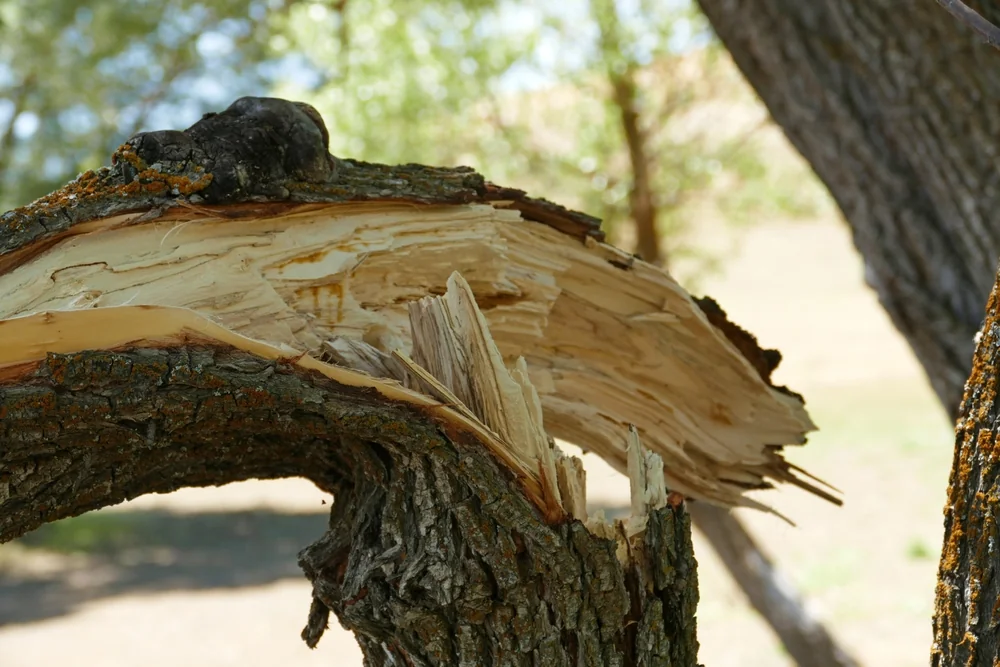
The canopy distributes weight across the trunk and root system. When imbalanced or damaged, the structure becomes more vulnerable during storms. Branch failure also increases danger because falling limbs can damage property or injure people while reducing the structure's ability to withstand wind forces.
Uneven canopy growth places more load on one side of the structure. Storm winds catch the heavier side and pull the structure towards that direction. If anchorage or trunk strength is compromised, uprooting or snapping may occur.
Dead branches break easily during storms and create hazards for property and people. Deadwood also weakens canopy structure and allows disease and decay to progress further. The more dead material present, the higher the failure risk.
Limbs that grow too far outward create mechanical stress on junction points. These limbs may tear away during storms and leave large wounds. Overextended limbs are common in species with broad spreading habits.
Some signs demand urgent attention to prevent serious damage or injury. When these indicators appear, waiting for the next storm increases risk significantly. Immediate assessment ensures safety and helps determine whether maintenance or removal is the best option for the situation.
Cracking sounds during windy weather suggest internal fibre failure. Branch dropping indicates declining structural capacity and increased storm vulnerability. These events often occur shortly before major failure.
Sudden canopy changes often indicate root or trunk problems that affect nutrient flow. When the root network fails, the canopy shows stress quickly through discolouration or thinning. Canopy decline also weakens branch stability.
A lean towards people or structures increases the level of danger and liability. Storm winds may push the lean further until failure occurs. Direction and severity help determine how urgent the situation is.
North Shore Tree Services believes that spotting these signs early helps prevent dangerous emergencies and protects both people and property. From soil saturation and rapid leaning to trunk decay and canopy imbalance, the signals are often visible well before a storm causes failure. Understanding these warning signs allows property owners to act before damage occurs and ensures that decisions about maintenance or removal are made with safety in mind.
Once a significant weakness becomes visible, arranging a proper assessment is one of the most responsible choices a property owner can make. Ignoring signs like cracking sounds or rapid lean formation, trunk cavities or shifting soil can lead to dangerous failures during storm events. Proactive management saves time and prevents costly structural or personal damage by addressing hazards before conditions worsen.