Land clearing is often the first step in preparing a property for a new home, extension, driveway or more usable outdoor space. However, professional clearing involves more than removing trees, with careful planning needed to manage vegetation, stumps, green waste, access and ground conditions.
For anyone considering tree removal in Sydney, understanding what land clearing includes can help with planning the work, estimating costs and identifying any council or environmental requirements. The scope can vary depending on the site, vegetation and how the cleared area will be used.
North Shore Tree Services provides professional tree care and land clearing services in Sydney, helping property owners manage each stage from initial assessment through to vegetation and stump removal, waste management and site preparation.
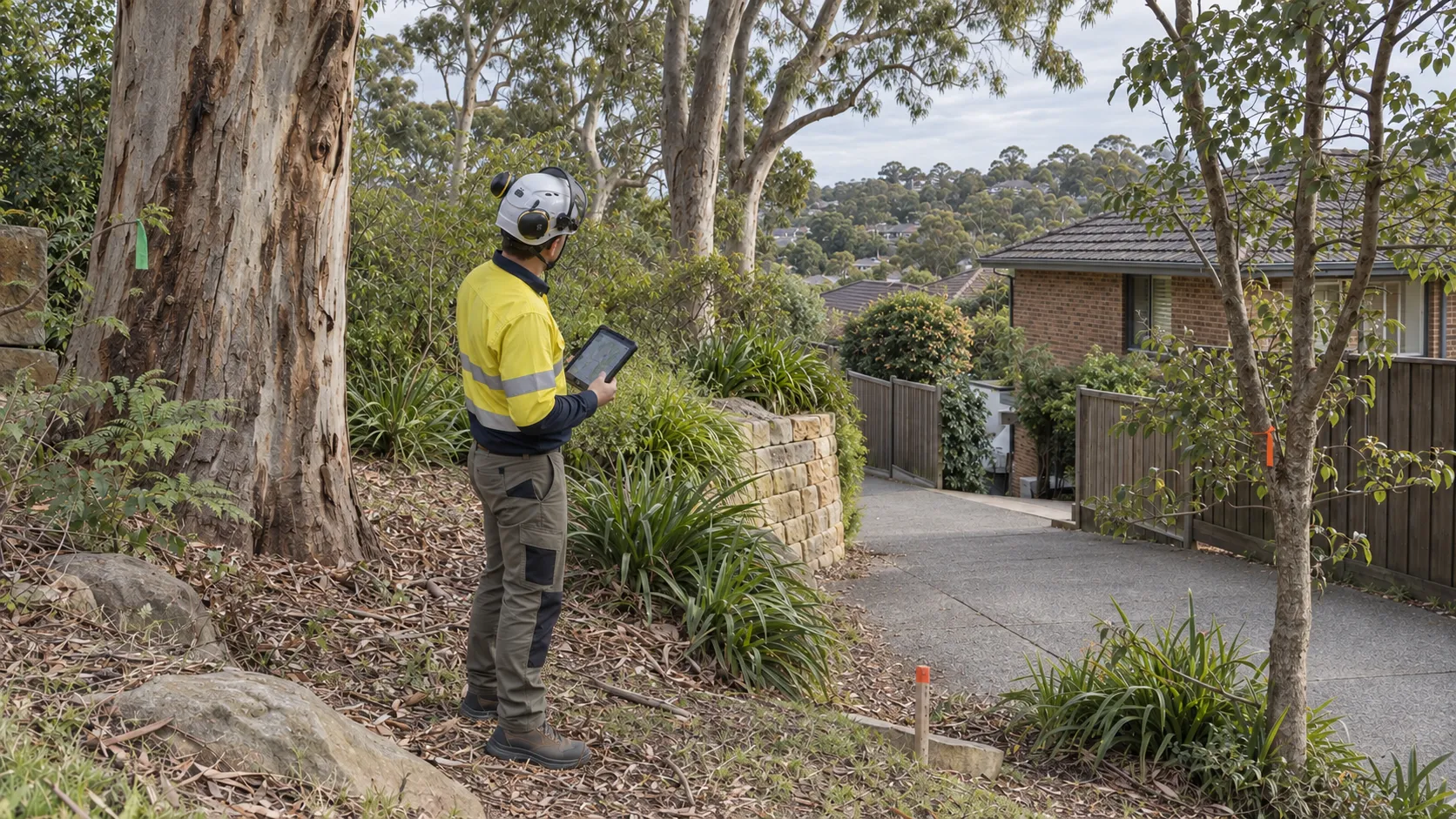
Effective land clearing begins with understanding the site before any work takes place. A thorough assessment helps determine what needs to be removed, what should be retained and which clearing methods are most suitable.
This is important for properties where mature trees, sloping terrain, neighbouring structures and restricted access can affect how clearing is carried out. Where mature trees are being retained near the clearing area, a qualified arborist may need to assess tree roots and structural risk before machinery, excavation or construction begins nearby.
The initial assessment considers:
The assessment can then be used to establish the clearing area, sequence the work and plan where machinery, timber, mulch and green waste will be managed. This helps keep the project organised while reducing unnecessary disturbance to the property.
Once the clearing scope has been established, several practical checks should be completed before machinery and workers begin on site. These checks help reduce delays, accidental damage and unexpected changes to the agreed work.
Pre-clearing checks may include:
Good preparation gives the clearing crew a clear understanding of the site and helps the work proceed safely and efficiently.
Removing trees, vegetation and stumps is a major part of many land clearing projects. The exact methods depend on the type and density of vegetation, tree size and condition, site access and the intended use of the cleared area.
Trees identified for removal are assessed based on their size, condition and location, particularly where they are close to buildings, fences, powerlines or neighbouring properties. Depending on the site, trees may be felled in a controlled manner or dismantled in sections to reduce risks to surrounding areas.
Trunks and branches can then be chipped, removed as green waste or retained for reuse where appropriate.
Vegetation clearing can involve shrubs, vines, saplings, lantana, weeds and other dense growth that restricts access or interferes with the future use of the property. Smaller areas may be cleared manually, while larger or heavily overgrown areas can require machinery.
Where vegetation is being retained, selective clearing helps minimise unnecessary disturbance to surrounding plants and established areas.
After trees have been removed, remaining stumps and significant roots may also need to be addressed. Stump grinding can remove stumps below ground level, while full extraction may be more appropriate where the area is required for foundations, driveways or other construction.
The required level of root removal depends on how the cleared area will be used and should be included in the agreed scope of work.
The exact clearing process varies between properties, but professional work is completed in stages to maintain a safe and organised work area.
A typical process may include:
The sequence may change where access is restricted, trees need to be retained or site conditions require a staged approach.
Clearing can generate a substantial amount of branches, foliage, timber and other organic material. Managing this material as work progresses helps keep the site accessible and reduces unnecessary piles of debris.
Smaller branches and vegetation can often be chipped or mulched on site, while larger timber may be cut into manageable sections for removal, reuse or disposal.
Where suitable, mulch can be retained for use around garden areas or other parts of the property. However, whether material remains on site depends on the intended use of the area and the condition of the vegetation.
Green waste that is not required can be transported to an appropriate recycling or processing facility. Property owners should check whether chipping, mulching, transport and disposal are included in the quoted clearing work, as these services can affect the overall project cost.
After the vegetation has been removed and material processed, the site can be cleaned and prepared for its next use. The amount of preparation required depends on what will happen on the property afterwards.
Basic clean-up may involve removing remaining branches, logs and other debris and leaving the designated area accessible. Where required, rough levelling or removal of organic material may also form part of the work.
Properties being prepared for buildings, driveways or other substantial construction may require additional excavation, grading or compaction. These more extensive earthworks are often separate from basic land clearing and should be clearly identified in the project scope.
Property owners preparing for redevelopment can also learn how tree removal for subdivisions and knockdown-rebuild projects fits into site access, approvals and construction planning.
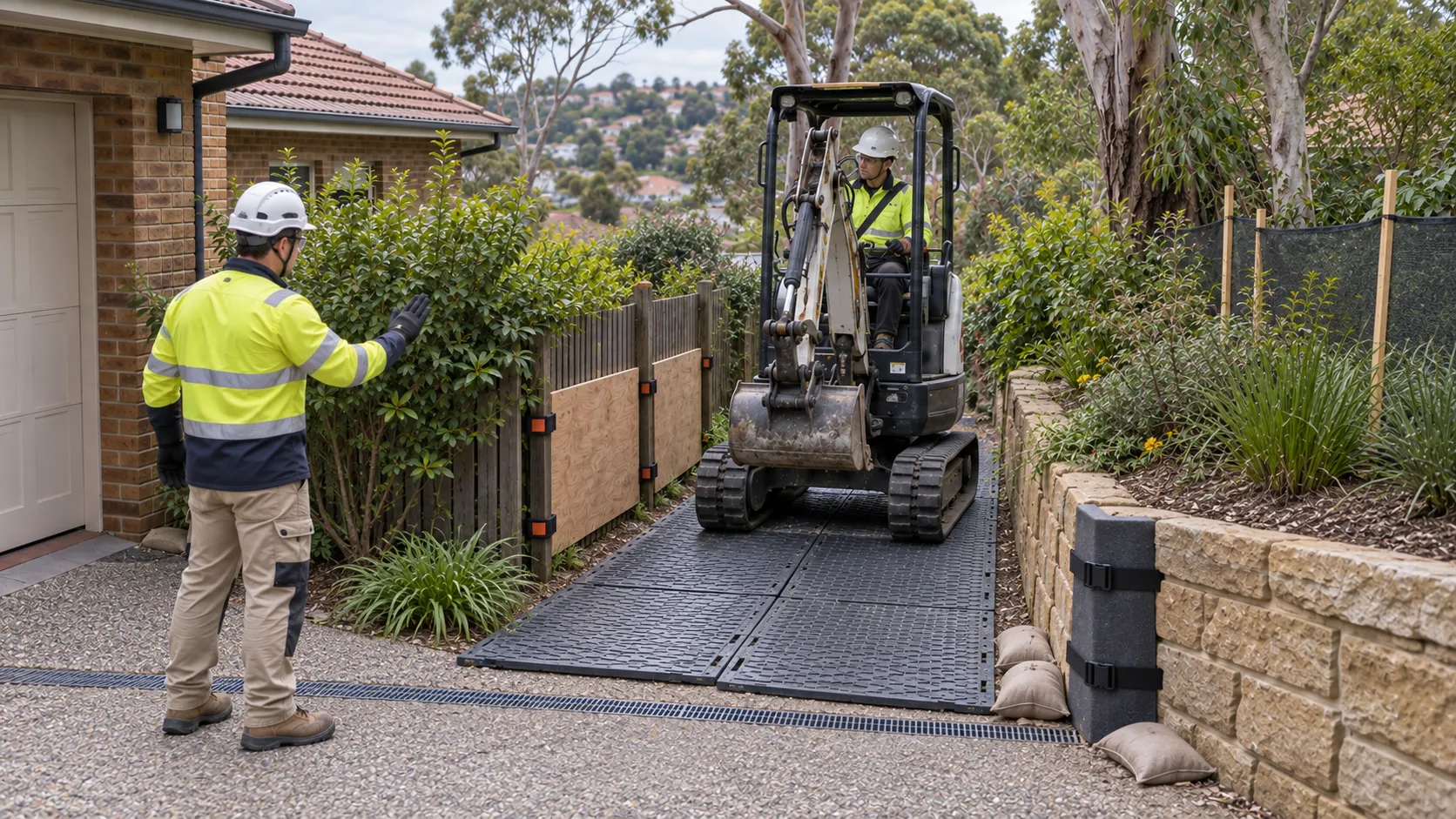
Access and site conditions can have an impact on how efficiently land clearing can be completed. This is relevant where narrow access, steep blocks and established residential properties can limit the use of larger machinery.
Before work begins, the crew may assess:
Equipment is selected according to the site rather than simply its size. Larger open areas may accommodate excavators, forestry mulchers and other heavy machinery, while smaller blocks or restricted-access properties may require compact equipment and additional manual work.
Choosing an appropriate method helps minimise damage to driveways, gardens, structures and retained vegetation while allowing the clearing to be completed efficiently.
Land clearing can be subject to council and environmental requirements, particularly where trees, native vegetation or environmentally sensitive areas are involved. Requirements vary between local government areas and properties, so the applicable rules should be confirmed before clearing begins.
Property owners who are unsure which authority applies to their address can find their local council before checking the relevant tree and vegetation-clearing requirements.
Depending on the property and vegetation, council approval may be required before trees or vegetation can be removed. Factors such as tree species, size, location and local planning controls can influence what work is permitted.
Environmental factors may also affect the clearing approach. Waterways, native vegetation, environmentally sensitive areas and other site-specific controls may require additional precautions, specialist advice or supporting documentation.
Where an approval or other permission applies, its conditions need to be followed throughout the work. Clearly identifying the approved clearing area and any protected vegetation helps reduce the risk of unauthorised removal or damage to surrounding areas.
For properties containing regulated native vegetation, the NSW Government provides guidance on native vegetation land management requirements, including allowable activities and available approval pathways.
The cost of land clearing varies on the property and the scope of work required. Factors such as the size and density of vegetation, tree removal, site access, terrain, machinery and green waste handling can all affect the final price.
An on-site assessment is usually the best way to determine the work involved and provide a more accurate estimate.
The main factors that can influence the cost include:
A land clearing quote should clearly explain what is included rather than providing only a total price. It should identify the area being cleared and specify whether the price covers tree and vegetation removal, stump grinding or extraction, mulching, green waste removal and site clean-up.
It should also outline any exclusions or additional charges that may apply, such as difficult access, specialised equipment, extra waste or work outside the agreed clearing area. For example, a quote for tree removal may not automatically include stump grinding or green waste disposal.
Comparing quotes based on the full scope of work makes it easier to understand the actual cost and avoid unexpected charges once clearing begins.
Land clearing does not always include every type of work a property owner may expect. The exact scope depends on the contractor and project, so it is important to check what is included in the quote before work begins.
Services that may require separate pricing are:
Before accepting a quote, property owners should confirm exactly what will be removed, how waste will be handled and what condition the site will be left in. A clearly defined scope helps prevent unexpected costs and makes it easier to compare different land clearing quotes.
Land clearing involves much more than removing trees and vegetation. From initial site assessment and planning through to tree, stump and vegetation removal, green waste management and ground preparation, each stage needs to be coordinated to create a safe and usable site. Proper clearing also considers local regulations, environmental constraints and the surrounding landscape.
Working with experienced professionals can help ensure the job is completed efficiently and responsibly. North Shore Tree Services has the equipment and knowledge to manage the different aspects of land clearing while helping protect the property, surrounding vegetation and long-term value of the site.