Tree removal in Sydney is governed by local council regulations, planning controls and arboricultural standards. Whether a tree is protected by local tree preservation controls, affected by a development proposal or presenting a safety concern, understanding when an arborist report may be required can help avoid unnecessary delays, rejected applications and compliance issues.
North Shore Tree Services assists property owners with professional tree management solutions that align with local requirements. Because council rules vary across Sydney, it is important to check the relevant local controls before removing, pruning or significantly altering a tree.
This article explains when an arborist report may be required, what information it should include and how councils use these assessments when considering tree removal applications. It also outlines the qualifications expected of consulting arborists, common approval triggers and the factors that influence whether a tree can be removed, retained or managed.
An arborist report is a formal written assessment prepared by a qualified consulting arborist. It evaluates the health, structure, condition and risk profile of a tree or group of trees. In Sydney, councils commonly request this type of report to support tree removal or pruning applications, particularly where a tree is protected, significant, hazardous or affected by development works.
The purpose of the report is to provide technical evidence rather than relying on personal opinion or preference. It gives council officers, certifiers, builders and property owners a clear basis for deciding whether a tree should be removed, pruned, retained or managed with specific protection measures.
An arborist report may also help demonstrate that alternatives to removal have been considered. Where removal is recommended, the report should explain why pruning, monitoring, root management or other options are not suitable or sufficient.
For most council applications, an arborist report must be prepared by a suitably qualified and experienced consulting arborist. Across many Sydney councils, this usually means a professional with at least an Australian Qualifications Framework qualification of AQF Level 5 in arboriculture, such as a Diploma of Arboriculture or equivalent.
AQF Level 5 indicates that the arborist has training in advanced tree assessment, report preparation, risk evaluation and tree management recommendations. Arborists with AQF Level 2 or 3 qualifications are often skilled in practical tree work, climbing, pruning and removal, but they may not meet council requirements for preparing formal consulting reports.
Council requirements differ, so the required qualification should always be checked before lodging an application. Reports prepared by unqualified contractors, gardeners or informal tree workers may be rejected if they do not meet the relevant council’s standards.
Professional membership with organisations such as Arboriculture Australia or the Institute of Australian Consulting Arboriculturists may also support the credibility of the report. While this is not always mandatory, it can indicate ongoing professional development and familiarity with accepted industry practices.
An arborist report is not required for every tree removal. Whether one is needed depends on the local council’s tree preservation controls, the size and species of the tree, the property’s location and the reason removal is being considered.
Councils commonly require an arborist report where the tree is protected, where removal is linked to a development application or where the tree may pose a risk to people, buildings, services or public land. In these situations, council officers need expert evidence to decide whether removal is justified or whether pruning, monitoring or retention would be more appropriate.
Many Sydney councils protect trees that meet minimum size thresholds or have environmental, heritage, habitat or streetscape value. A tree may be protected because of its trunk diameter, height, canopy spread, species, location or inclusion on a significant tree register.
Common triggers include:
Where a protected tree is proposed for removal, an arborist report is often required to explain the tree’s health, structure, risk level and management options. The report may justify removal on grounds such as structural defects, poor health, unacceptable risk or property damage that cannot reasonably be managed through pruning or other measures.
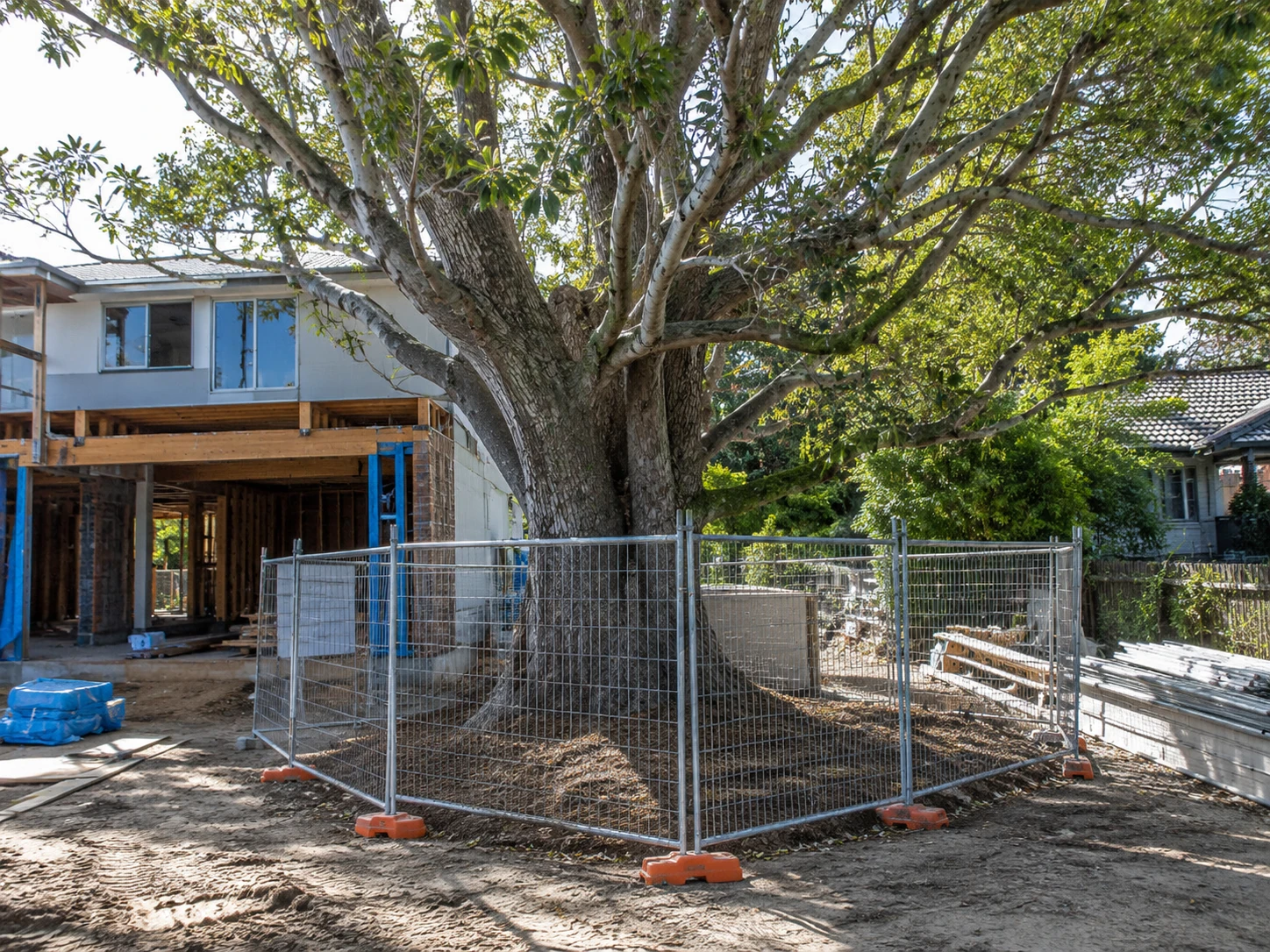
An arborist report is commonly required when tree removal is connected to building, renovation or development works. This may apply to new homes, extensions, pools, secondary dwellings, driveways, retaining walls, drainage works or other construction activity near trees.
For development applications, the report helps council understand how the proposed works may affect trees on the site or adjoining properties. It may identify which trees can be retained, which trees require protection and which trees are likely to be unavoidably impacted.
Where trees are being retained, the arborist report may include tree protection zones, structural root zones, fencing recommendations and construction methods to minimise damage. AS 4970 is particularly relevant in this context because it deals with the protection of trees on development sites.
If pruning is proposed as part of the works, the report may also refer to AS 4373, which relates to the pruning of amenity trees. This helps ensure pruning recommendations are technically appropriate and do not unnecessarily damage the tree.
Councils may also request an arborist report where a tree affects neighbouring properties, shared boundaries, underground services or public land. These matters often require an independent assessment because they involve competing interests and potential safety or property risks.
An arborist report may be required when:
The report provides an evidence-based assessment of the tree’s condition, likely risk and practical management options. This helps council decide whether removal is reasonable or whether pruning, monitoring or engineering solutions should be considered first.
Some trees can be removed or pruned without a formal arborist report, and in some cases without a permit. However, this depends entirely on the relevant council’s local tree controls and the specific circumstances of the tree.
Common exemption categories may include:
For example, a small ornamental tree below the council’s regulated size threshold may not need a formal report. A clearly dead or exempt species may also be removable without a full consulting arborist report, depending on the council’s rules.
However, property owners are still responsible for checking the exact wording of the relevant local controls before removing a tree. Incorrect assumptions about exemptions can result in fines, compliance orders or replacement planting requirements.
Even when a formal arborist report is not legally required, professional advice can still be worthwhile. Tree rules can be confusing, especially where species identification, trunk measurements, heritage controls or neighbour impacts are involved.
A qualified arborist can help confirm whether the tree is protected, whether a permit is needed and whether a full report is likely to be required. In some cases, a brief inspection and written advice may be enough to support a straightforward permit application. In more complex cases, the arborist may recommend a detailed consulting report before approaching council.
This approach can avoid unnecessary report costs where they are not needed, while reducing the risk of non-compliance with local tree laws.
An arborist report should provide enough technical information for council to assess the proposed removal, pruning or development works. While formats differ between arborists and councils, most reports include similar core information.
A professional report usually begins by identifying the tree and its location. This may include:
The report may also comment on the tree’s contribution to the streetscape, canopy cover, habitat value or surrounding landscape.
The main body of the report assesses the tree’s health and structure. This may include observations about canopy density, foliage condition, deadwood, pest or disease activity, trunk defects, included bark, decay, cavities, root disturbance or signs of instability.
The arborist may use recognised assessment methods such as Visual Tree Assessment. Where required, further investigation may be recommended, such as root mapping, decay detection or engineering advice.
Photographs are usually included to support key observations. Clear images help council officers understand visible defects, site constraints and the reasons behind the arborist’s recommendations.
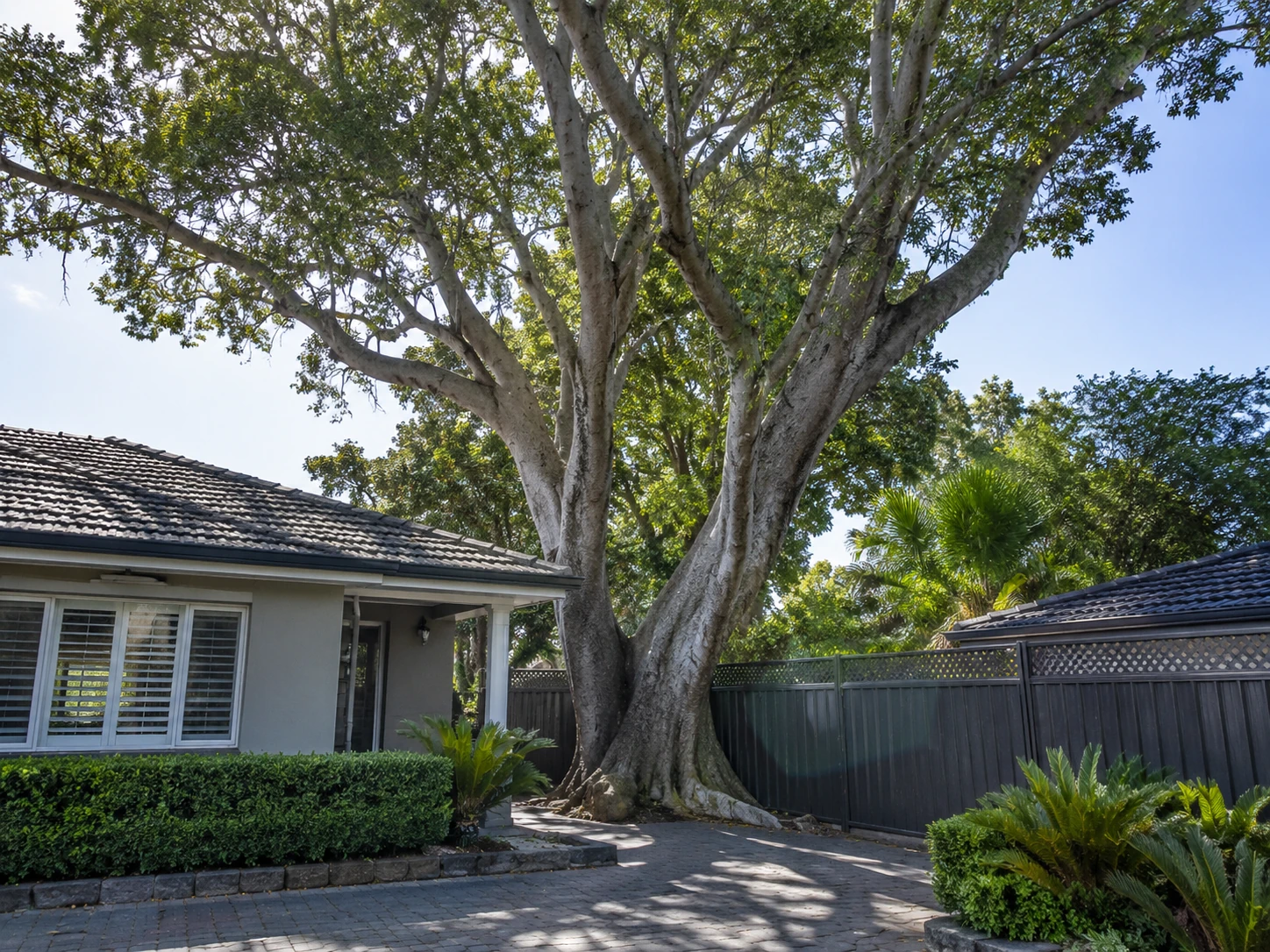
The report should clearly explain the arborist’s professional opinion about the level of risk and the most appropriate management response. Where removal is recommended, the report should explain why the tree cannot reasonably be retained through pruning, monitoring or other remedial works.
Recommendations may include:
For development sites, the report may also recommend tree protection zones, fencing, no-go areas, construction methods and supervision requirements for retained trees. Where removal is proposed, councils may require replacement planting as a condition of approval.
A free quote or brief site visit from a tree contractor is not the same as an arborist report. A quote usually explains the cost and scope of tree work, while an arborist report provides a formal technical assessment suitable for council review.
A compliant arborist report should be:
Councils may reject applications that rely only on informal opinions, cost estimates or notes from contractors. A properly prepared report creates a clear record of the tree’s condition, the reasons for the recommendation and the evidence used to support the application.
An arborist report cannot guarantee that council will approve tree removal. It is an expert assessment that supports the application, but the final decision rests with the relevant local council under its planning controls, tree preservation rules and environmental policies.
Even if an arborist recommends removal, council may refuse the application if the tree is healthy, structurally sound, locally significant or capable of being managed through pruning or other measures.
Council may also refuse removal if the reasons given are considered insufficient. Common concerns such as shade, leaf litter, blocked views or minor debris are often not enough on their own to justify removal of a protected tree.
However, a strong arborist report can improve the quality of the application by:
This level of detail makes it easier for council to make an informed decision and can reduce the likelihood of delays caused by missing or inadequate information.
Before removing any tree, it is important to confirm whether the tree is protected and whether approval or professional documentation is required. This applies even when the tree is on private property.
Each Sydney council has its own tree preservation rules, application process and exemption criteria. Before removing or pruning a tree, check the relevant council’s tree management policy, Development Control Plan or tree preservation controls.
Key details to check include:
Where the rules are unclear, professional advice can help confirm whether the tree requires a permit, an arborist report or no formal approval.
The same tree may be treated differently depending on the planning controls that apply to the property. Heritage, environmental and infrastructure constraints can increase the level of scrutiny.
Check whether:
Heritage or significant landscape controls may require a more detailed arborist report, particularly where the tree contributes to the character of the site or surrounding area.
Before deciding to remove a tree, consider what the tree is and why removal is being proposed. Councils generally distinguish between genuine safety, structural or property damage concerns and removal for convenience.
Consider whether the tree has:
High-risk or structurally unsound trees are more likely to justify removal when supported by a qualified arborist’s assessment. If the tree is healthy and the concerns relate mainly to shade, leaf drop or general nuisance, council may be more likely to recommend pruning, monitoring or retention.
Understanding when an arborist report is required is an important part of managing tree removal applications in Sydney. Council requirements vary according to tree size, species, location, planning controls and the reason for removal, so property owners should not assume that a tree can be removed without checking the relevant rules first.
A well-prepared arborist report provides the technical evidence needed to support informed decisions. It can help explain whether a tree should be removed, pruned, retained or protected during development works. While it cannot guarantee approval, it can reduce delays, improve application quality and lower the risk of non-compliance.
By combining qualified arboricultural advice with a clear understanding of local council requirements, property owners can manage trees more safely while supporting the health, canopy and character of Sydney’s urban landscape.