When a tree starts dropping leaves or shedding bark outside its usual seasonal pattern, it can be difficult to know whether the change is normal or a sign of stress. While many species naturally lose foliage or bark as part of their growth cycle, sudden canopy thinning, peeling bark, dead branches or unusual colour changes may point to pests, disease, water stress, root damage or structural decline.
For Sydney property owners, recognising the difference between normal seasonal behaviour and symptoms of decline can help prevent more serious tree health issues from developing. North Shore Tree Services provides professional tree services in Sydney, including arborist assessments to identify the underlying cause of leaf drop, bark shedding and other signs of decline.
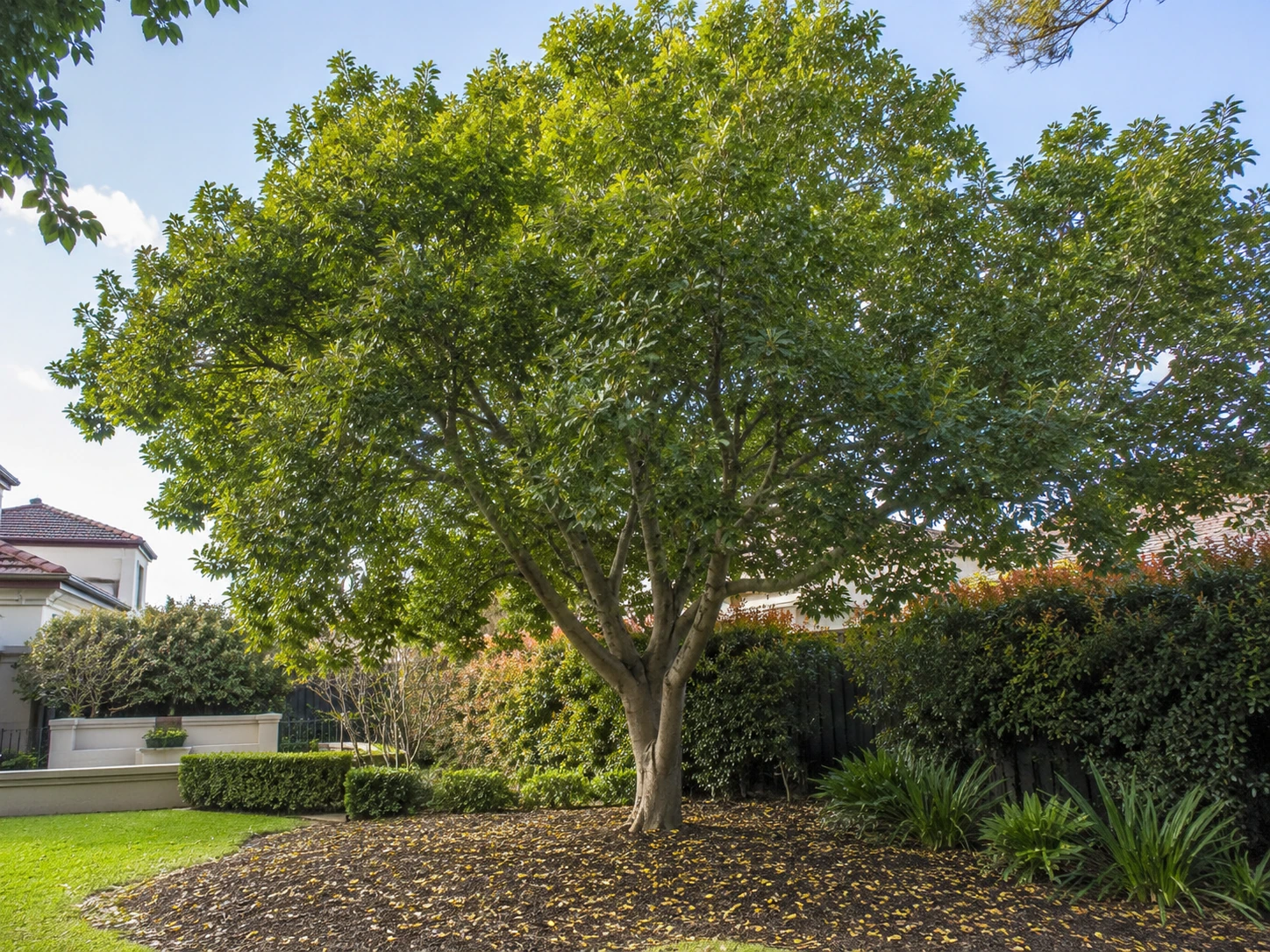
Not every falling leaf or strip of bark signals a dying tree. Many healthy trees shed foliage and bark as part of their natural growth cycle or in response to normal seasonal changes. Understanding these patterns makes it easier to tell the difference between routine garden clean-up and a genuine warning sign.
Before assuming the worst, it helps to look at when the drop occurs, what part of the tree is affected and whether new growth is present. Normal shedding tends to be gradual and balanced, with healthy buds, shoots or foliage still visible.
For deciduous trees such as maples, liquidambar and plane trees, a mass drop of leaves in autumn is expected. As days shorten and temperatures cool, chlorophyll breaks down, the leaves change colour and then detach at a specialised layer at the base of each leaf stalk. A bare canopy in winter with intact buds along the twigs is a normal dormant state, not a sign of decline.
Evergreen species, including magnolia, camellia, lilly pilly and many conifers, also regularly drop leaves or needles. These trees keep foliage year-round, but individual leaves still age and are replaced.
Normal evergreen shedding may include:
If the tree keeps a mostly full green canopy and the drop is short-lived and seasonal, this is usually a healthy renewal process.
Trees may shed some leaves in response to short periods of hot, dry weather or minor disturbance. This self-thinning reduces water loss and helps the tree cope.
Light to moderate stress shedding is usually normal if:
For example, after a hot, dry spell, it is common to see a flush of crispy brown inner leaves under gum trees or other large specimens while the outer canopy stays green. This type of selective drop is a survival response rather than a sign of imminent failure.
Many tree species naturally shed bark as they grow. Trunks expand over time, and older bark plates or ribbons loosen and fall away to make room for new layers.
Normal bark drop generally looks like:
Smooth-barked eucalypts and paperbarks are well known for visible bark drop at certain times of year. If the exposed surface is intact and there is no deep cracking, sap oozing or soft, rotten tissue, this type of shedding is usually part of healthy growth rather than a problem.

Weather extremes, inconsistent watering and unsuitable soil are among the most common reasons for unexpected leaf or bark drop. Understanding how these factors stress a tree makes it easier to decide whether the problem is short-term and seasonal or whether the tree needs professional attention.
A tree may react to environmental stress by shedding leaves or even sections of bark to reduce demand on its root system. However, repeated or severe stress can weaken the tree over time.
Sudden cold snaps, heatwaves and high winds can all trigger leaf or bark loss. Many trees shed some leaves in late summer and autumn as part of a normal cycle, but heavy or patchy loss outside these periods usually points to stress.
Hot, dry weather leads to rapid moisture loss from leaves. To conserve water, the tree may wilt and then drop leaves it cannot support. Prolonged heat can also cause bark to crack and peel, especially on the side facing the strongest sun.
Frosts and sudden temperature drops can damage young shoots and outer bark, which may then flake away over the following weeks. Wind can strip leaves directly or cause fine root damage by rocking the tree in the ground. Repeated wind stress often shows as leaves browning at the edges before falling, along with bark loosening where branches have flexed.
Improper watering is a major cause of leaf drop. Underwatering leads to dry soil and wilted leaves that turn crisp, curl or roll before falling. Recently planted trees are especially vulnerable because their root systems are still shallow.
Inconsistent watering, where soil is left very dry and then suddenly soaked, can also place stress on the tree. This encourages shallow root growth and makes the tree less resilient during dry periods.
Overwatering creates a different but equally serious issue. Constantly wet soil restricts oxygen around the roots and can contribute to root rot. Leaves may turn yellow, feel soft rather than brittle and drop in quantity. Bark near the base may darken or loosen due to fungal activity.
For most established trees, irrigation is more effective as deep, infrequent watering than frequent light sprinkling. Soil should be allowed to dry slightly between waterings but should not become powder dry. Checking moisture 10 to 15 cm below the surface with a hand trowel gives a more accurate picture than judging only by the top layer.
Soil type determines how well a tree can tolerate weather changes and watering habits. Heavy clay holds water around roots, increasing the risk of rot and bark disease. Very sandy soil drains too quickly, leaving trees more vulnerable during dry spells.
Compacted soil from foot traffic, vehicles or construction is a frequent but overlooked problem. Compaction squeezes air out of the root zone, so water either pools on the surface or runs off instead of soaking in. Symptoms can include thinning foliage, smaller leaves and sections of bark dying back where roots cannot supply enough moisture.
Poor drainage often shows after rain when water sits around the base of the tree for many hours. Raised beds, surface grading or selective aeration may improve some site conditions, but standing water, extensive compaction or suspected root damage should be professionally assessed.
Unexpected leaf drop or peeling bark can point to an underlying pest or disease issue rather than normal seasonal change. In many cases, the tree has been stressed for some time before visible symptoms appear. Identifying whether insects or pathogens are involved is important to prevent further decline or structural weakness.
Pest and disease problems often show up as patterns. These may include repeated damage on certain species, particular marks on leaves or bark, or visible activity at specific times of year. Early recognition allows for targeted treatment instead of guesswork or unnecessary removal.
Chewed leaves with small holes or sudden thinning of the canopy often indicate insect feeding. Sap-sucking insects such as aphids, scale and psyllids usually cause yellowing, curling or sticky leaves that later drop prematurely.
Boring insects are a more serious concern because they can affect the living tissue beneath the bark. Beetle borers and other wood-boring pests tunnel under the bark, disrupting water movement so the tree sheds bark or bark falls away in loose plates.
Signs of borer activity may include:
Leaf miners create winding trails within leaves that eventually brown and fall. Caterpillars can strip foliage quickly, so a tree that looks healthy one week may appear sparse the next. Repeated heavy defoliation over several seasons can seriously weaken even mature trees.
Fungal and bacterial diseases are a major cause of leaf spots, blotches and early colour change. Leaves may show brown or black lesions, rings or patches that spread from year to year. Infected leaves often drop long before autumn, leaving the canopy thin.
Canker diseases infect branches and stems, leading to sunken, dead patches of bark that may split or flake off. The area around a canker can ooze sap or appear discoloured. As the canker girdles a branch, the foliage above it may wilt, yellow and drop even though the rest of the tree still appears healthy.
Root and butt rots affect the base of the tree and major roots. Symptoms can include thinning foliage, small pale leaves, branch dieback and loose or sloughing bark near ground level. Fruiting bodies, such as mushrooms, brackets or conks around the trunk, are warning signs of internal decay and possible structural risk.
When a tree starts dropping leaves or bark more than usual, it is often a symptom of deeper problems rather than the problem itself. Recognising the warning signs early makes it more likely that the tree can be stabilised before the damage becomes permanent or the structure becomes unsafe.
A declining tree will usually show several symptoms at once. Changes in leaf colour, canopy density, bark condition and new growth patterns are useful clues. Paying attention to these details helps distinguish normal seasonal shedding from a tree under serious stress.

Healthy trees have relatively predictable cycles of leaf growth and shedding. Out-of-season leaf drop is a strong warning sign. If a deciduous tree sheds heavily in spring or early summer, or an evergreen suddenly drops large clusters of green or yellowing leaves, something is likely affecting its health.
A thinning canopy is another indicator. When internal branches receive enough light yet remain bare or sparsely foliated, the tree may be in decline. Compare the tree with similar nearby specimens at the same time of year. A noticeably more transparent canopy or large sections with no new leaves may suggest root issues, disease or pest activity.
Bark protects the living tissues underneath. Occasional small flakes or strips falling off mature bark can be normal, especially on species known to shed. However, heavy or continuous bark loss, particularly when it exposes bare wood, should be investigated.
Warning signs in the bark include:
Deadwood is another sign of decline. Branches that do not leaf out in spring, retain dry brown leaves long after others have fallen or snap easily with a dry, brittle sound are usually dead. A high proportion of dead branches throughout the canopy suggests progressive decline rather than minor seasonal damage.
Problems at the roots often show up first in the crown, yet the area around the base of the tree can reveal important clues. Soil that is constantly waterlogged, recent excavation, new paving or compaction from vehicles and foot traffic can all stress or damage roots.
Fungal growth at the base of the trunk or along surface roots can indicate internal decay. This is especially concerning when combined with leaf drop, canopy thinning or bark loss near ground level.
Structural warning signs should be treated as urgent. A tree that suddenly leans more than before, lifts soil around one side of the root plate or shows gaps opening where the trunk meets the ground may be losing anchorage. Combined with heavy leaf or bark drop, these symptoms may indicate that the tree is both declining and hazardous.
When a tree starts dropping leaves or shedding bark, it is tempting to take quick action or ignore the issue and hope it improves. Both responses can make the problem worse. Certain common reactions can increase stress on a tree or mask serious underlying issues that need professional assessment.
Understanding what not to do helps protect the tree and the surrounding property. Avoiding these mistakes reduces the risk of permanent damage and increases the chance that the tree can recover if intervention is needed.
One of the most frequent mistakes is trying to help a stressed tree with excessive water or fertiliser. Leaf drop and bark shedding are often responses to stress. Adding more water or nutrients without diagnosis can push the tree further out of balance.
Overwatering fills air pockets in the soil and suffocates roots, which can lead to root rot and accelerated decline. This is especially risky in heavier clay soils where water drains slowly. Standing water or constantly damp soil around the base of a tree is a clear warning sign to reduce watering, not increase it.
Excess fertiliser can burn roots and encourage weak, rapid growth that is more vulnerable to pests, disease and wind damage. Fertiliser should not be used as a cure for unexplained leaf loss. It is only appropriate when soil testing or professional advice identifies a specific deficiency. Granular lawn fertilisers spread up to the trunk can also harm trees that are not suited to those nutrient levels.
Aggressive pruning is another common but harmful response to leaf or bark problems. Cutting back large branches to tidy up a stressed tree removes vital foliage that the tree needs to photosynthesise and recover. Heavy pruning also creates large wounds that can invite decay, fungi and borers.
Topping or lopping of larger trees should be avoided. Topped trees often produce weakly attached regrowth that breaks easily in storms and leaves the tree more stressed than before. Selective pruning may be helpful, but it should be guided by a clear diagnosis and carried out to appropriate pruning standards.
Peeling off loose bark is also damaging. In some species, shedding bark is normal and part of healthy growth. Pulling at loose bark can strip living tissue and increase the risk of infection. If bark is coming off in sheets or exposing bare wood underneath, leave it in place and seek a professional assessment rather than tearing it away.
Hoping the problem will resolve on its own can be dangerous when leaf or bark loss is linked to structural weakness. Dead or dying branches over driveways, roofs, paths or play areas should never be left unassessed.
Cracks in the trunk, cavities at the base, sudden thinning of the canopy or fungus growing on the trunk are all reasons to seek expert advice promptly. DIY pest sprays, wound sealants and unplanned pruning should also be avoided, as they can mask symptoms, damage living tissue and make accurate diagnosis more difficult.
When a tree begins dropping leaves or bark unexpectedly, the safest approach is to document what is happening, limit interference and arrange a professional inspection before attempting any major action.
Leaf or bark drop is common at certain times of year, yet it can also signal serious structural or health problems. Knowing when to call a qualified arborist is important for preventing hazards, protecting nearby structures and saving a valuable tree before decline becomes irreversible.
Professional assessment is recommended whenever leaf or bark loss is sudden, severe or combined with other concerning changes. Prompt inspection often allows for simpler interventions and a lower risk of limb or whole tree failure.
Some symptoms indicate that a tree may pose an immediate safety risk and should be checked without delay.
These include:
If leaf loss is concentrated on one side, especially the side facing a house, driveway, path or play area, this can signal structural weakness or root damage. Bark falling away on the same side may indicate decay that is affecting the load-bearing wood.
Even when there is no immediate danger, a professional assessment is advisable when the tree is significant in size, age or location. Mature feature trees, boundary trees affecting neighbouring properties and trees close to buildings, pools, driveways or retaining walls all justify expert evaluation if leaf or bark drop becomes noticeable.
An arborist can assess whether the issue is seasonal, environmental, pest-related, disease-related or structural. They can also recommend pruning, soil management, monitoring, treatment or removal where required.
For important trees, an arborist’s report provides clear recommendations on retention, maintenance or removal, helping property owners manage risk while preserving tree health and amenity wherever possible.
Leaf and bark drop should never be viewed in isolation. The pattern, timing and severity often reveal valuable clues about a tree’s overall condition. Seasonal shedding is a natural process for many species, while unusual leaf loss, peeling bark, structural defects or signs of pests and disease may indicate that professional assessment is needed.
Early diagnosis and appropriate management provide the best opportunity to preserve tree health, minimise safety risks and avoid more extensive damage to the tree or surrounding property.