Tree removal can take anywhere from a few hours to a full day or longer, depending on the size, condition and location of the tree. For property owners, knowing what affects the timeframe can make it easier to plan around access, costs, nearby properties and other work that may depend on the tree being removed.
North Shore Tree Services helps assess the factors that can influence a removal timeframe, including tree size, condition, site access and the equipment required. These considerations are important for tree removal in Sydney, where properties often have limited space, nearby structures and other site constraints.
From straightforward removals of small trees to complex sectional dismantling of large or hazardous trees, each job can require a different approach. The timeframe can also be affected by council requirements, cleanup, stump grinding, weather and site preparation.
A typical tree removal can take anywhere from a couple of hours to a full day. However, it depends on the tree's size, condition, location and the removal method required. A small tree with clear access may take around 1 to 2 hours, while a medium-sized tree can take 2 to 4 hours. Larger trees, specifically those near buildings or requiring sectional removal, can take 4 to 8 hours or more.
The timeframe also depends on the work involved beyond cutting the tree. Branch removal, timber processing, site cleanup and stump grinding can add further time, particularly where access is restricted or large amounts of material need to be removed.
An accurate timeframe can only be estimated after the tree and surrounding site have been assessed. Two trees of similar size can require very different amounts of time based on their condition, position and the removal method required.
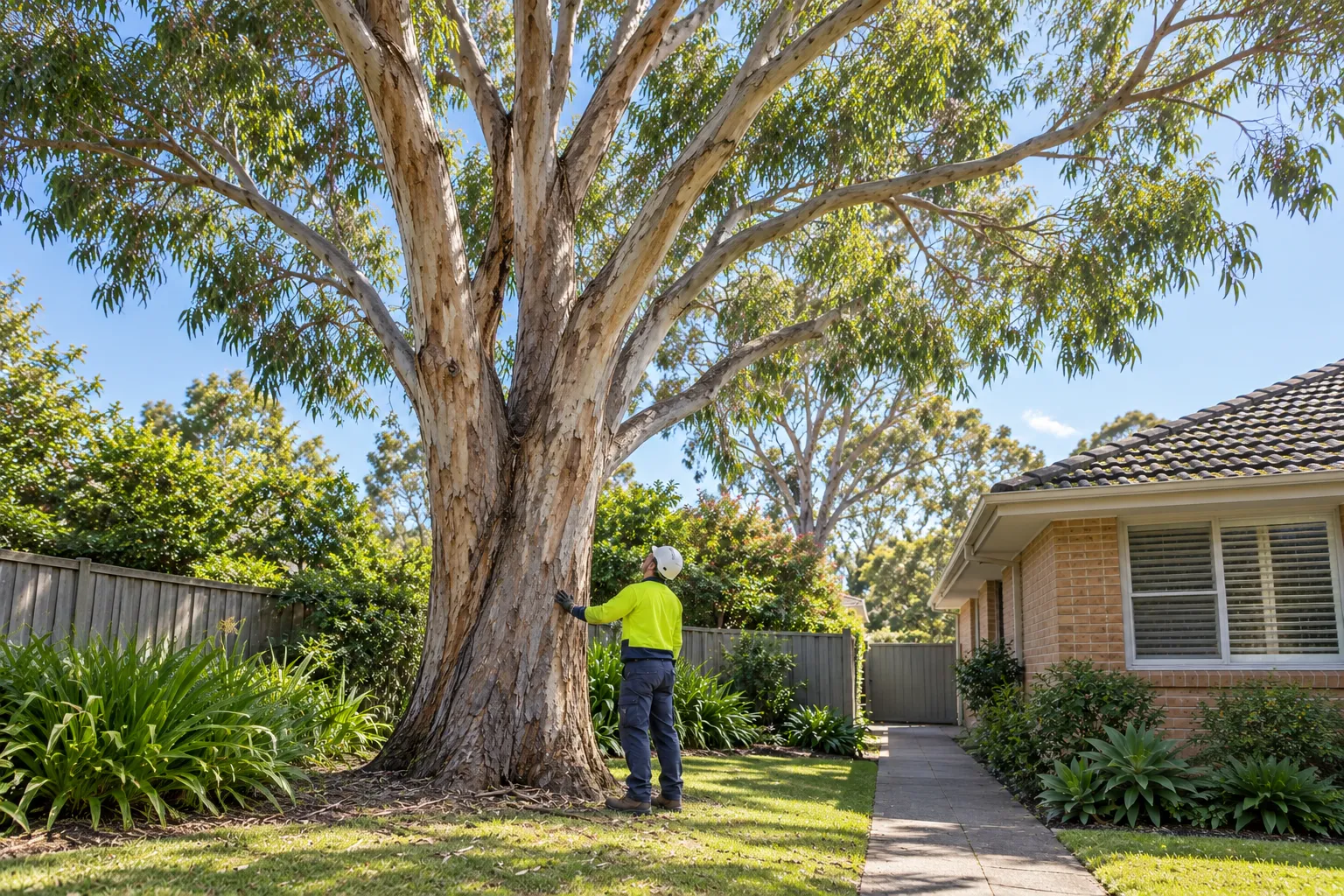
Several factors can affect how long tree removal takes, including tree size and condition, site access, nearby structures, equipment requirements and the amount of cleanup involved. A small tree in a difficult location may take longer to remove than a larger tree with clear access. These factors also influence tree removal costs, as more complex jobs may require additional labour, equipment and time on site.
Dead, damaged or unstable trees may require additional safety measures and more controlled dismantling. Dense canopies, multiple stems and heavy branches can also increase the amount of cutting and handling required.
Access is another important consideration. Narrow gates, stairs, steep paths or limited room for machinery can make it harder to move equipment, branches and timber. Trees close to houses, fences, pools, powerlines or other structures may also require a more controlled removal method.
The equipment needed for the job can affect the pace of removal. Larger or more complex trees may require chippers, specialised rigging or other equipment, while restricted sites can limit what can be safely used.
Cleanup also contributes to the total timeframe. The amount of branches and timber produced, how far material needs to be moved and whether waste is removed from the property can all affect how long the crew remains on site.
Tree size directly affects how long removal takes because larger trees have more branches, heavier timber and greater working heights. As a guide, a small tree with clear access may take around 1 to 2 hours, a medium-sized tree around 2 to 4 hours and a large mature tree can take 4 to 8 hours or more.
Larger trees often require more careful dismantling, particularly when branches or sections cannot be safely dropped. Additional rigging, specialised equipment and the greater volume of timber can extend the job. However, even a small tree may take longer when it is close to a house, fence, pool or other structure.
Tree size provides a useful starting point for estimating removal time, but it is not the only consideration. The tree's condition, location, access and removal method can all affect the final timeframe.
Tree condition can affect removal time because damaged, diseased or unstable trees may require more careful planning and controlled cutting. A healthy tree with a stable structure may allow a more predictable removal sequence, while decay, storm damage or structural defects can make the work more complex.
A healthy tree with a sound trunk and stable branches is generally more predictable during removal. Where there is sufficient clearance, the crew may be able to follow a straightforward cutting sequence with fewer additional controls.
Dead, decayed or storm-damaged trees can require additional time because weakened timber, cracks or damaged branches may behave unpredictably. The arborist may need to adjust the removal method, reduce sections further or use additional rigging to maintain control.
The tree's condition is assessed alongside its size and location when estimating the timeframe. A smaller tree with significant decay or structural damage may require more time than a larger tree in sound condition.
Access and nearby structures can affect how long tree removal takes. Clear access for vehicles, equipment and workers allows branches and timber to be moved more efficiently, while difficult access, such as narrow gates, stairs, steep paths or limited parking, can require more manual handling and smaller equipment.
A tree located close to a house, fence, pool, driveway, powerline or other structure may also need to be dismantled in controlled sections rather than felled in one piece. Other factors that can extend the timeframe include:
The available space around the tree and the ease of accessing the site can be just as important as the tree itself when estimating the removal timeframe.
Sectional tree removal is required when a tree cannot be safely felled in one piece. Instead, the tree is dismantled from the top down, with branches and trunk sections cut and lowered in a controlled manner. This approach is common where there is limited space, nearby property or a higher risk of uncontrolled falling timber.
SafeWork NSW’s tree work safety guidance outlines hazards that arborists need to assess when planning a safe removal method.
Sectional removal is often needed when a tree is close to a house, fence, pool, driveway or other structure and there is not enough clear ground for it to fall safely. It may also be required where narrow access prevents the use of larger equipment or branches extend over neighbouring properties or other sensitive areas.
Trees near powerlines, roads, footpaths, shared driveways or other public areas may need to be dismantled in sections to control where each piece lands. Controlled lowering helps reduce the risk to people, property and services and may be combined with traffic or pedestrian controls where required.
Dead, decayed or storm-damaged trees may require sectional removal because their structure can be unpredictable. Cracks, weak branches or decay can make conventional felling unsafe, so the tree may need to be dismantled gradually using appropriate rigging and other controls.
Sectional removal takes longer than straightforward felling because each section must be carefully cut, lowered and moved. The method allows arborists to manage trees safely in locations where a conventional fell is not suitable.
Yes, council requirements can affect how long it takes to arrange tree removal. Some trees may require council approval, notification or supporting documentation before work can begin, depending on the local council's rules and the tree's location, size, species or condition. This can add a planning period before the physical removal takes place.
Council requirements vary between local government areas, so checking the applicable rules early is important. Where an application or supporting information is required, processing times can affect when the removal can be scheduled. Trees that pose an immediate safety risk may be subject to different requirements, but emergency removal should still be assessed against the relevant local rules.
Confirming whether approval is required before booking the work can help prevent avoidable delays. The removal itself may take only a few hours, but council requirements can affect when that work is allowed to start.
Cleanup and stump grinding can add around 1 to 3 hours to a tree removal, depending on the size of the tree, the amount of debris and the level of finishing required. A small removal with minimal debris may need only a short cleanup, while larger trees can require more time to process branches, remove timber and clear the site.
Cleanup typically involves chipping branches, cutting larger timber into manageable pieces and clearing leaves, sawdust and debris from the work area. Narrow access, landscaped areas or large amounts of timber can increase the time needed when material has to be carried rather than moved directly to a chipper or truck.
Stump grinding can add around 30 minutes to several hours, depending on the stump's size, location, species and access. A basic grind just below ground level is quicker, while deeper grinding or removal of the resulting grindings can take longer.
Confirming whether cleanup, timber removal and stump grinding are included in the service can provide a more accurate idea of the total time required on site.
Yes, weather and safety issues can delay tree removal, sometimes at short notice. Strong winds, heavy rain, lightning and poor visibility can make climbing, cutting and controlled lowering unsafe. Extreme heat may also affect working conditions during longer removals.
Site conditions can cause delays as well. Trees near live powerlines may require coordination with the electricity distributor, while unstable or severely damaged trees may need additional equipment or a revised removal method. Ausgrid’s powerline safety guidance explains clearance requirements and when safety advice should be requested before tree work begins. Restricted access, traffic controls or other site hazards can also affect when work can safely begin.
A suitable weather window and safe work area are important for keeping the job on schedule. A short weather interruption may only pause work temporarily, while prolonged unsafe conditions can require the removal to be rescheduled. Safety should take priority over completing the work within the original timeframe.
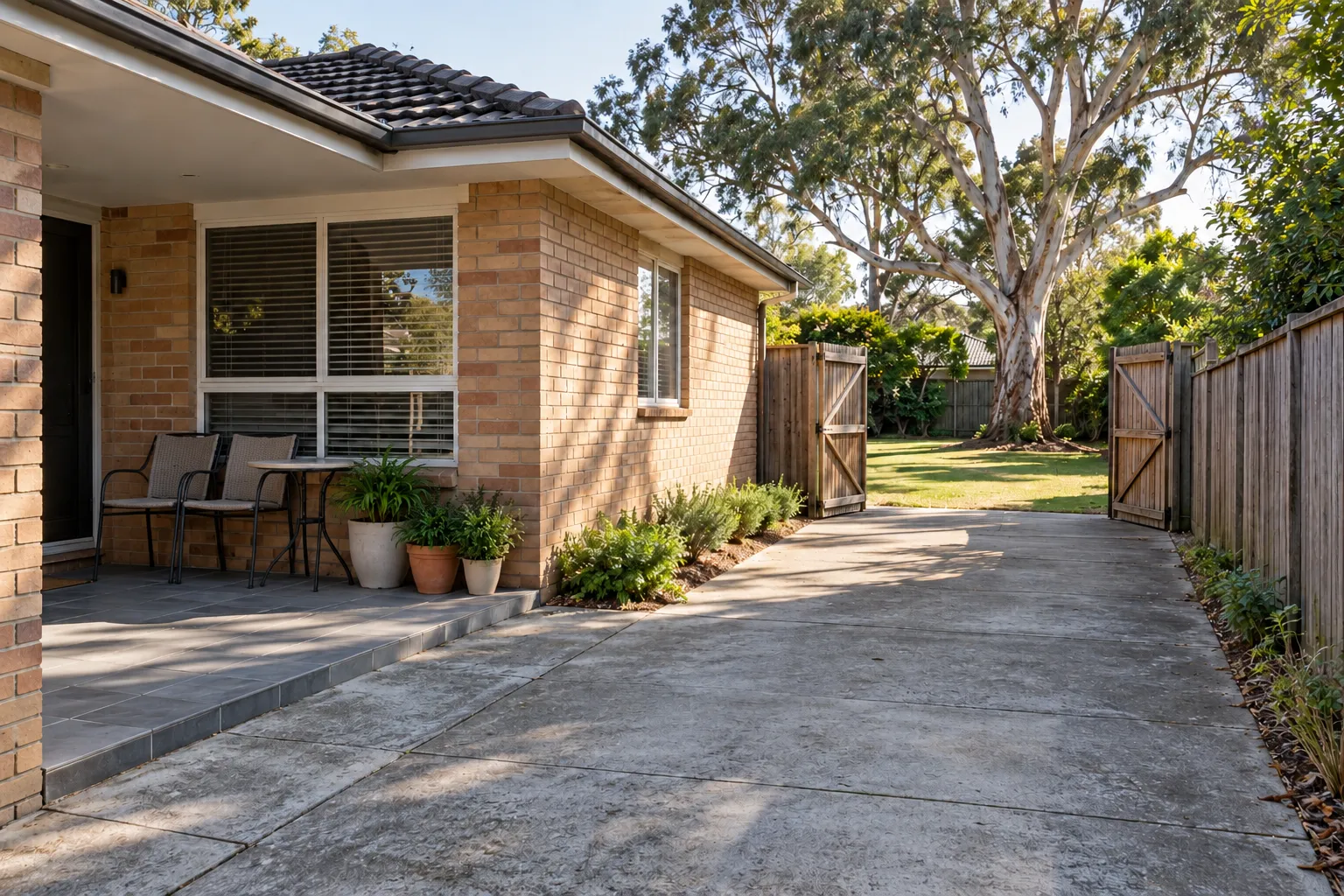
Property owners can help keep tree removal on schedule by preparing the work area before the crew arrives. Clearing access, moving outdoor items, confirming cleanup requirements and keeping people and pets away from the work zone can reduce avoidable delays.
Preparation is important for larger or more complex removals where equipment, rigging and several workers may need to operate around the property.
Driveways, paths and access routes should be kept clear of vehicles, garden furniture, pots, play equipment and other movable items where practical. Narrow gates, steep paths or restricted side access should also be discussed with the arborist beforehand so suitable equipment and handling methods can be planned.
The expected level of cleanup should be confirmed before work begins. Property owners may want branches chipped and removed, larger timber left on site, the stump ground down or the area prepared for future landscaping. Clarifying these requirements helps the crew allow enough time and equipment for the job.
Tree removal creates a controlled work zone where branches, timber, machinery and equipment are constantly moving. Children, pets and other people should be kept away from the area while work is underway and until the crew confirms that the site is safe.
Good preparation can reduce avoidable delays and help the crew work safely and efficiently. Providing clear access, discussing site conditions in advance and confirming the required services can help keep the removal timeframe close to the original estimate.
The time required for tree removal depends on various factors. While a small tree in an open area may take only a few hours, larger, unstable or difficult-to-access trees can call for most of a day or additional planning. Preparing the site, confirming requirements and allowing for weather or unexpected conditions can help minimise avoidable delays.
North Shore Tree Services can assess the tree and property to determine the safest removal method and provide a realistic timeframe for the work. With proper planning and controlled removal, properties can have a clearer idea of what to expect while keeping the job safe and organised.