As bushfire season approaches, the condition and placement of trees around a property can influence how fire behaves and how vulnerable buildings become to ember attack, radiant heat and flame spread. Trees provide shade, privacy, habitat and visual appeal, but without careful management, they can also increase fuel loads and create pathways for fire to move towards homes, sheds, fences and other structures.
For property owners arranging professional tree services in Sydney, bushfire preparation often involves more than cutting back overgrown branches. North Shore Tree Services explains how pruning, canopy separation, deadwood removal and hazardous tree assessment can help reduce risk while preserving the health and value of the landscape. The article also outlines when arborist support may be required, particularly for large trees, overhanging limbs, trees near buildings and vegetation affected by council or NSW bushfire clearing rules.
Trees can either support a safer landscape or become a pathway for fire. When vegetation is dense, overgrown or poorly positioned, it can help flames move from ground fuels into tree canopies and then towards buildings. It can also increase the amount of leaf litter, bark and fine material that embers can ignite.
Effective tree management is not about removing every tree. It is about identifying which trees, branches and surrounding vegetation increase risk, then managing them in a way that reduces fuel loads while preserving shade, privacy, habitat and the long-term health of the landscape.
Unmanaged trees can contribute to a continuous ladder of fuel. Leaf litter, dead branches, dense shrubs and low-hanging limbs all provide material that can ignite quickly and burn intensely.
Strategic pruning helps break this fuel ladder. Removing deadwood reduces dry material in the canopy. Thinning congested branches can reduce the amount of foliage that burns in one area. Lifting lower branches creates separation between surface fuels and the crown of the tree, making it harder for flames to climb upwards.
This work needs to be targeted. Heavy lopping or poor pruning can weaken trees, encourage unstable regrowth and create future hazards. A more useful approach is to remove high-risk material while maintaining the tree’s structure and health.
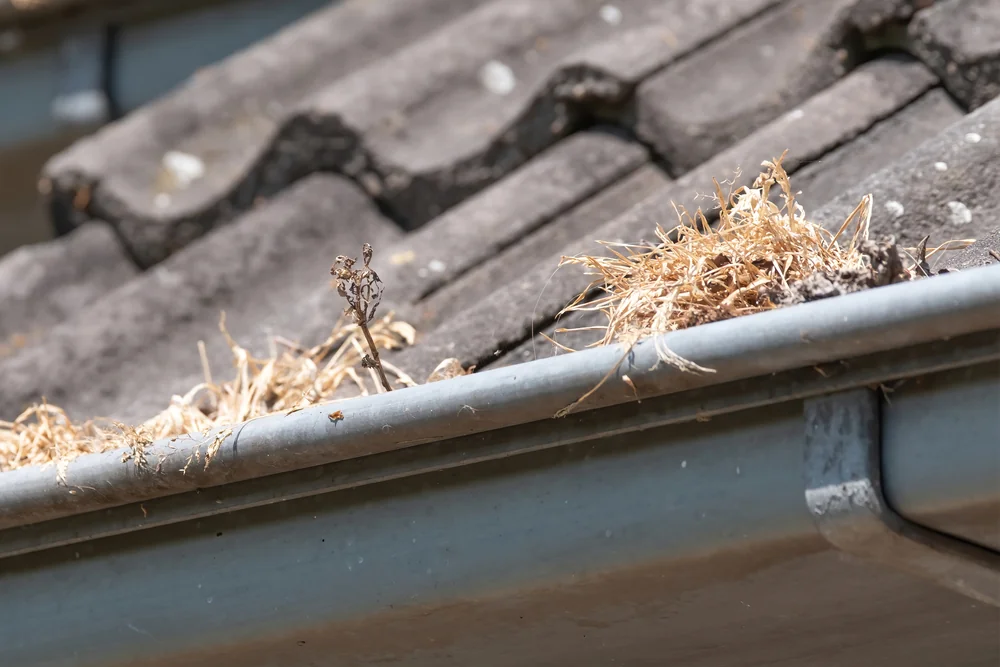
In many bushfires, homes are damaged or destroyed by ember attack rather than direct flame. The NSW Rural Fire Service recommends practical preparation such as cleaning gutters, keeping lawns short, cutting back trees and shrubs overhanging buildings and clearing leaves, twigs and debris from around the home.
Trees close to roofs, gutters, decks, windows and sheds need careful attention. Overhanging branches can drop leaves into gutters, where embers may ignite dry debris. Branches close to roofs or walls can also expose buildings to radiant heat or falling burning material during a fire.
Some trees shed bark, fine twigs or dry material that can accumulate around structures. Managing these trees, especially where they sit close to the home, can reduce the chance of embers finding fuel in gutters, roof valleys, vents, eaves, decks or gaps around cladding.
Access can influence whether people can leave safely and whether firefighters can defend a property. Poorly managed trees can block driveways, roads and entry points if branches fail during high winds, storms or fire conditions.
Regular inspection and pruning of roadside and driveway trees helps maintain clear access for vehicles. Removing structurally compromised trees near access routes also reduces the risk of sudden failure during severe weather or emergency conditions.
Clear zones around gates, entry points, hydrants and water tanks can improve visibility and manoeuvrability. This is especially important where properties have narrow driveways, sloping access, overhanging vegetation or limited turning space.
In the lead-up to bushfire season, the area around the home should be checked systematically. The aim is to identify where fire could travel through vegetation, where embers could lodge and where tree growth may affect buildings or access.
Focus on the relationship between trees, gardens and structures. Look for continuous vegetation, heavy leaf litter, overhanging branches, dense shrubs and anything that allows fire to move from the ground into the canopy or from vegetation onto the home.
Start by assessing trees within roughly 10 to 20 metres of the home, garage, shed, deck, fence line and other structures. Look for branches that overhang roofs, gutters, verandas, solar panels or skylights. Also check whether foliage is close to walls, windows, eaves or service lines.
Canopy separation is important. Where tree crowns touch or overlap, fire can move more easily from one tree to another. Creating space between crowns near structures can reduce the chance of fire spreading quickly across the property.
Tree health also matters. Dead or declining trees, split trunks, large dead limbs, fungal growth and sudden leans can indicate structural weakness. These trees may burn more readily or fail during extreme weather, making professional assessment worthwhile before the season begins.
Ground-level fuel is one of the easiest areas to overlook. Dry leaves, bark, mulch, twigs, grass clippings and dead plant material can all ignite quickly, especially when they collect under trees, shrubs, decks and stairs.
Dense shrubs planted directly under tree canopies can create a vertical fuel ladder. This allows fire to move from the ground into the tree crown. Hedges, creepers or garden beds that run continuously along walls, windows or timber fences can also bring flame closer to structures.
Where possible, break up garden beds with lower-risk spaces such as lawn, gravel paths, stone borders or paved areas. Keep grass short, remove dry cuttings and avoid allowing dead material to build up around timber steps, decks, fences and sheds.
Rooflines and gutters should be checked closely before bushfire season. Roof valleys, gutters, skylight edges and corners can collect dry leaves, bark and twigs. These areas are common places for embers to lodge.
Overhanging branches increase this build-up, so both the vegetation and the debris need attention. Trimming branches away from rooflines and clearing gutters reduces the amount of material available to ignite.
Access routes should also be reviewed. Driveways, gates and tracks should have enough side and overhead clearance for safe entry and exit. Trees leaning over access routes or showing weakened limbs should be assessed early to reduce the risk of blocked exits during an emergency.
Pruning and strategic clearing can reduce bushfire risk when they are done carefully. The aim is not to strip the property bare, but to remove fine fuels, separate vegetation and reduce the pathways that allow fire to move towards buildings.
Good bushfire preparation focuses on practical maintenance. This includes managing low branches, clearing deadwood, removing accumulated leaf litter and keeping vegetation away from roofs, gutters, windows, decks and access points.
The area closest to the home should be the main priority. This space helps reduce the chance of fire reaching the building and can provide a safer working area for emergency services.
As a general guide:
Low groundcovers and lawns can remain useful if they are kept short and maintained. The aim is to reduce dry, continuous fuel rather than remove every plant.
Pruning should focus on breaking the vertical and horizontal path that fire can follow. Instead of heavy lopping, use targeted cuts that reduce risk without damaging tree structure.
Useful pruning may include:
Avoid topping trees or cutting large limbs back to stubs. Poor pruning can create decay, weak regrowth and long-term instability. Large pruning work, especially near buildings or powerlines, should be handled by a qualified arborist.
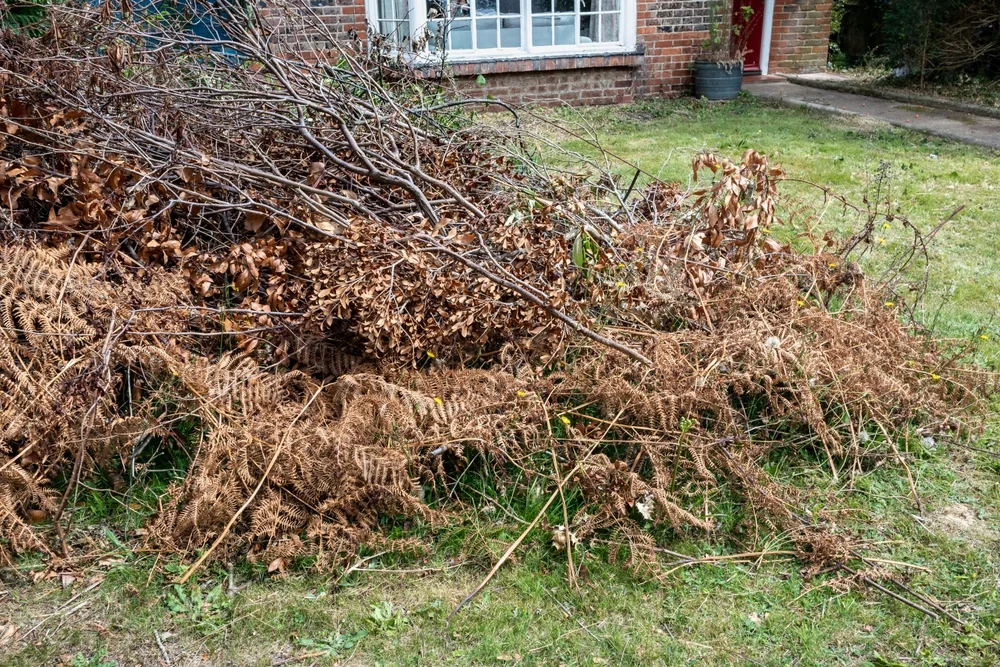
Fine fuels ignite quickly and can carry fire across a property. These need ongoing attention throughout the season, not just a one-off clean-up.
Priority tasks include:
It is also worth checking the property after storms or windy weather. Freshly fallen branches and leaves can quickly build into a fuel load as temperatures rise.
Before removing trees or carrying out major pruning, property owners need to understand what is permitted. Bushfire preparation does not automatically override local tree protections, environmental controls or NSW clearing rules.
Some Sydney properties may fall within a NSW RFS 10/50 Vegetation Clearing Entitlement Area, but this should never be assumed. The NSW RFS states that eligible landowners in designated 10/50 areas may clear trees on their property within 10 metres of a home and clear underlying vegetation, other than trees, within 50 metres of a home, without seeking approval. However, the RFS also advises checking the online tool on the day of clearing because eligibility, exclusions and rules may change.
This means homeowners should confirm their entitlement before cutting or removing vegetation. Council tree preservation rules, land constraints, heritage controls, environmental protections and habitat considerations may still affect what can be done.
Basic property maintenance is usually straightforward. This may include clearing fallen leaves, small twigs, loose bark and dead garden debris from around buildings and access areas.
Minor pruning may also be allowed in many situations, especially where it involves small branches and routine maintenance. However, larger branches, significant canopy reduction, protected trees or full tree removal should be checked against the 10/50 rules and local council requirements before work begins.
Common maintenance tasks may include:
Where there is uncertainty, it is safer to seek advice before cutting.
Before removing a tree or carrying out major pruning, check whether the property is in a current 10/50 entitlement area using the NSW RFS online tool. This should be done on the day of clearing, as the mapped area and conditions may change.
It is also important to review the relevant council tree preservation order or vegetation management policy. Councils may have controls based on trunk size, species, location, heritage significance or environmental value.
If the rules are unclear, treat large established trees as protected until advice is confirmed. Written guidance from council, the NSW RFS or a qualified arborist can help reduce the risk of fines while still allowing practical bushfire preparation.
Not all pre-bushfire tree work is suitable for DIY. Light pruning from the ground with hand tools may be manageable, but risk increases when work involves height, heavy branches, large trees, powerlines or structures.
Professional arborist support is important where tree work could affect safety, compliance or tree stability. Incorrect cuts can weaken a tree, create unstable regrowth or leave the property with new hazards during high winds and fire weather.
Any work that requires climbing, ladders or cutting large branches overhead should usually be left to professionals. Working at height with saws is dangerous, especially when branches are heavy, angled or under tension.
Branches positioned over homes, pools, driveways, fences or neighbouring properties require controlled removal. A professional crew can use rigging, ropes and lowering techniques so limbs do not fall unpredictably or damage structures.
Poor DIY pruning can also tear bark, expose the trunk to decay and leave the tree structurally weaker. This can increase future risk rather than reduce it.
Branches over roofs, gutters, decks, fences and service lines need careful handling. Cutting these branches without the right technique can cause damage to tiles, skylights, solar panels, gutters and nearby structures.
Work near powerlines is especially dangerous. Contact with live lines can be fatal, even if a branch or tool only brushes the line. Tree work near electrical infrastructure should only be carried out by appropriately qualified and authorised personnel.
A professional can also assess whether pruning will improve bushfire readiness without making the tree unstable or removing more canopy than necessary.
Trees with signs of decay or structural weakness should not be climbed or cut by an untrained person. These trees can fail suddenly, especially when disturbed by pruning, climbing or vibration from equipment.
Warning signs include:
A qualified arborist can assess whether the tree needs deadwood removal, weight reduction, structural pruning or complete removal. This is particularly important before bushfire season, when dry conditions, wind and heat can increase the risk of failure.
Preparing a property for bushfire season is not about removing every tree. It is about managing vegetation in a way that reduces fuel loads, limits ember exposure and keeps buildings, access routes and outdoor areas safer.
Regular pruning, canopy separation, gutter clearing, deadwood removal and careful assessment of high-risk trees can all improve bushfire resilience while preserving shade, privacy and habitat. Where trees are large, structurally weak, close to buildings or affected by local clearing rules, professional arborist advice helps ensure the work is safe, practical and compliant.