Removing a tree is often only the first step in restoring safety and usability to a property. What remains below ground and at the surface can have just as much impact as the tree that once stood there. At North Shore Tree Services, we are frequently asked whether stump grinding is really necessary after tree removal or if the old stump can simply be left in place. The answer depends on a mix of safety, practical and environmental factors and even how healthy surrounding plants remain over time.
In this article, we explore what actually happens to a stump after a tree is cut down, how it can affect regrowth, pest activity, soil health and what that means for homeowners planning future landscaping or construction. You will learn the difference between stump grinding and full stump removal, when it is strongly recommended, when it might be optional and how each choice influences long-term maintenance costs and property value. By understanding these considerations, you can decide whether stump grinding and other tree services in Sydney are a worthwhile investment for your goals.
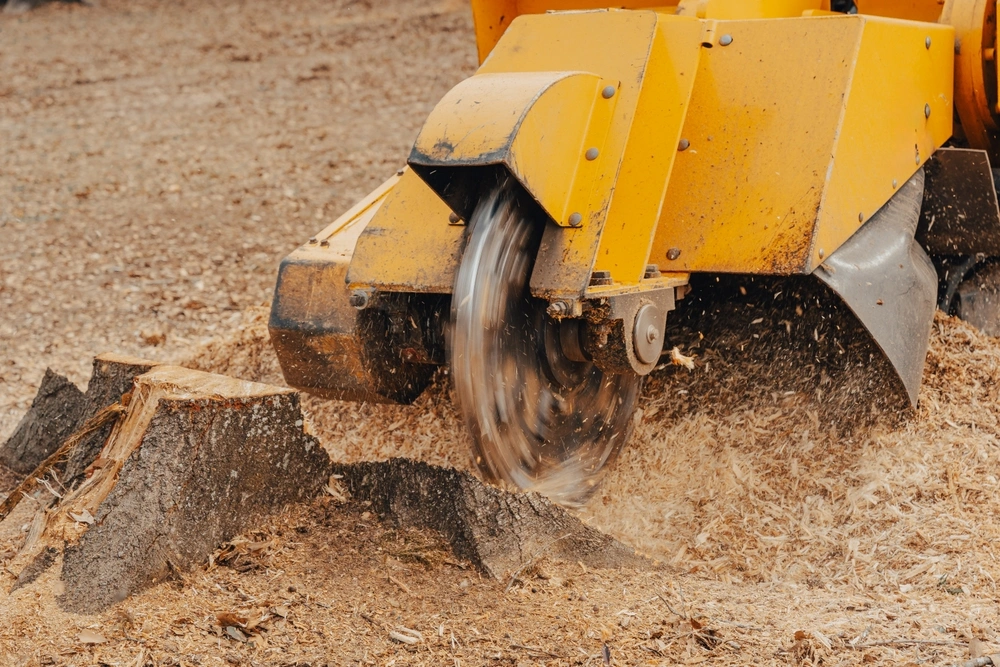
Stump grinding is a method of removing the visible part of a tree stump and some or all of the roots below ground using a specialised machine. For most homeowners, it is the practical way to get a flat, usable surface where a tree once stood without the disruption of full stump excavation.
We typically carry out stump grinding as a separate step after the tree has been felled and the main trunk and branches removed. The process focuses on turning the stump and surface roots into mulch so the area can be re-landscaped or built over more easily.
Stump grinding is done with a stump grinder, which is a powerful machine fitted with a rotating cutting wheel. The wheel has hardened steel teeth that chip away at the wood as it sweeps side to side.
There are different sizes of grinders. Smaller pedestrian grinders can access narrow paths or backyards. Larger self‑propelled or tracked grinders are used for big or hardwood stumps that require more power. We select the machine based on stump size, species and access to the site.
The machine is positioned over the stump, then stabilised so the operator can grind safely and accurately. Modern grinders include guards and deflectors to control debris and reduce the risk of flying chips.
Once set up, the operator lowers the cutting wheel onto the edge of the stump, not the centre. The wheel is then moved side to side in passes, sweeping across the stump surface while also lowering a few centimetres at a time.
This continues until the stump is reduced to wood chips below the existing ground level. In residential settings, we are often asked to grind to about 150 to 300 millimetres below the surface, which is usually enough to lay turf, plant garden beds or prepare for most landscaping. For future paving decks or small foundations, the client may request deeper grinding so the remaining roots do not interfere with footings.
If there are visible surface roots, these can also be traced and ground back so they do not regrow or create lumps in lawns and paths. Throughout the process, the operator works around obstacles, which is why locating utilities in advance is essential.
Stump grinding leaves a mound of mixed soil and wood chips where the stump was. This material is not waste. In many cases, homeowners choose to:
If a clean flat surface is needed straight away, we can remove the grindings and import topsoil to fill the hole. Over the following weeks, the ground may settle slightly as remaining roots decay, so a light top-up of soil may be required before laying the final turf or finishes.
Many homeowners are surprised to see a stump still in place after a tree has been cut down. It can feel like half a job. In reality, leaving the stump is very common and often comes down to time cost, site conditions and what the customer has asked for in the quote.
As experts, we treat stump removal as a separate stage of the job. Cutting the tree down safely is one task. Grinding the stump requires different machinery, extra time and sometimes different access to the site, which is why stumps are frequently left unless the client specifically requests and approves stump grinding.
Standard tree removal focuses on taking the tree down to just above ground level. Climbers and ground crew are set up for working at height, rigging branches and processing timber, not for soil-level work. Once the stem is cut close to the ground, the felling part of the job is complete.
Stump grinding uses a different machine with a rotating cutting wheel that chips the stump and surface roots into mulch. This equipment is towed or tracked in and needs separate safety controls. Because of that, most quotes are itemised. One line is for tree removal, and another optional line is for stump grinding. If a homeowner chooses removal, the result is a neat, low stump left in place.
Another reason stumps may be left is simple site constraints. Stump grinders need enough space and a suitable path to reach the stump. Narrow side passages, steep banks, delicate paving or raised decks can all make access risky or impossible without damage to the property.
Underground services are also a factor. Water pipes, gas lines, electrical cables and irrigation often run close to tree roots, particularly near driveways and front yards. Where service plans are unclear or where utilities are very close to the stump, the safest choice may be to leave the stump high enough to avoid accidental damage or to only carry out limited surface grinding.
Soil conditions influence the approach as well. Very rocky ground or sites with buried building rubble can quickly damage grinding teeth. In these situations, the extra time and wear can make full stump removal far more expensive than the client expects, which often leads to a decision to leave the stump or reduce it only slightly.
Cost is one of the biggest reasons stumps remain. Stump grinding is usually priced separately per stump based on diameter, access and depth required. Where a client is mainly concerned about immediate safety or removing overhanging branches, they may decide the stump is not worth the additional expense.
Future use of the space also affects the decision. If the area will stay as a lawn or garden bed, you might accept a stump cut low and hidden among plants. If they plan to build a patio, install a pool or replant another tree later, they are more likely to choose grinding. When no clear plans exist, many people postpone stump removal until a later project.
Stump grinding is not always compulsory after tree removal, but there are many situations where it is strongly recommended. Homeowners usually need to decide based on safety, future landscaping plans and potential problems that can develop if a stump is left in place.
We assist clients in weighing up these factors on each site. In some cases, a stump can safely remain; in others, it quickly becomes a hazard or an obstacle that limits how the space can be used.
If a stump is in a high-traffic area, it is usually best to grind it. Low or hidden stumps can be tripping hazards for children, visitors or anyone mowing the lawn. This risk increases when grass or leaf litter grows around the stump and makes it hard to see.
Stumps near driveways, footpaths, parking areas or access ways can also damage vehicles or equipment. A mower or trailer that hits a solid stump can suffer serious damage. On sloping blocks, a stump can interfere with safe walking and can destabilise lightweight garden edging or steps built over or around it.
In tight suburban yards where every metre of usable space matters, grinding the stump keeps entertainment areas, pathways and play spaces clear and level.
Stump grinding is usually necessary when a client wants to replant or build in the same area. A stump and its large surface roots can block:
Even a small-looking stump often has roots spreading several metres, which can compete with new plants for moisture and nutrients. Grinding the stump down below ground level allows soil preparation and planting without the old tree constantly regrowing or starving new plants.
For hard landscaping projects, a solid stump left in place can rot over time and cause voids or sinking. We recommend grinding in these cases so builders can work with stable ground.
Many common species will resprout vigorously from a stump if it is not ground out. Species like privet, camphor laurel, willows or some eucalypts can send up multiple suckers around the stump and along the roots. This regrowth can quickly undo the original removal and create extra ongoing maintenance.
A decaying stump can also attract termites, borers or fungal decay. While not every stump becomes a pest hotspot, it provides ideal conditions for colonies to establish and then move into nearby fences, sheds or homes. Stumps from diseased trees are a particular concern, as some pathogens can persist in the wood and spread to new plantings.
Stump grinding is often recommended after tree removal, but it is not always essential. In some situations, leaving a stump in place is safe and practical and can even be part of a planned landscape design. As experts, we help homeowners weigh up these situations so they only pay for stump grinding when it genuinely benefits the property.
Understanding when grinding is optional comes down to how the space will be used, the type and size of the stump and any risks to people or nearby structures. In low-use areas or on larger rural blocks, a stump can sometimes be left to decay naturally with minimal impact.
If the stump is located in a corner of the yard that people rarely walk through or at the back of a garden bed, it may not present a safety issue. In these cases, the main concerns of tripping hazards or damage to lawnmowers are greatly reduced.
Homeowners who are not planning to lay new turf, install paving or build over the area can often leave a stump in place without any real inconvenience. We suggest considering future plans for the space. If the area may be landscaped or used more intensively in the next few years, it can be cost-effective to leave the stump for now and only grind it when plans are finalised.
On acreage or semi-rural sites, stumps are commonly left to break down naturally. When there is plenty of space and no need to mow closely around every tree, the stump has little effect on day-to-day use of the property.
In these settings, stumps can provide habitat for insects and small wildlife and can contribute to a more natural bushland feel that many landowners value. Provided the stump is not close to fences, driveways, underground services or buildings, and the species has a low risk of sending up nuisance suckers, leaving it to rot can be a sensible, low-cost option.
Our team will usually check that the stump does not sit in a drainage line or in the path of planned vehicle access. If it does not interfere with these practical issues, grinding is often unnecessary.
Sometimes the decision is simply financial. If the tree has been removed for safety reasons and the remaining stump does not create a new hazard, you may choose to delay grinding to keep immediate costs down.
We help clients prioritise. For example, grinding may be recommended for a stump in the middle of a lawn where children play, while a similar stump along a fence line might be left for later. By focusing on the highest-crisk or most inconvenient stumps first, property owners can stage the work over time and avoid paying for grinding that offers little real benefit.
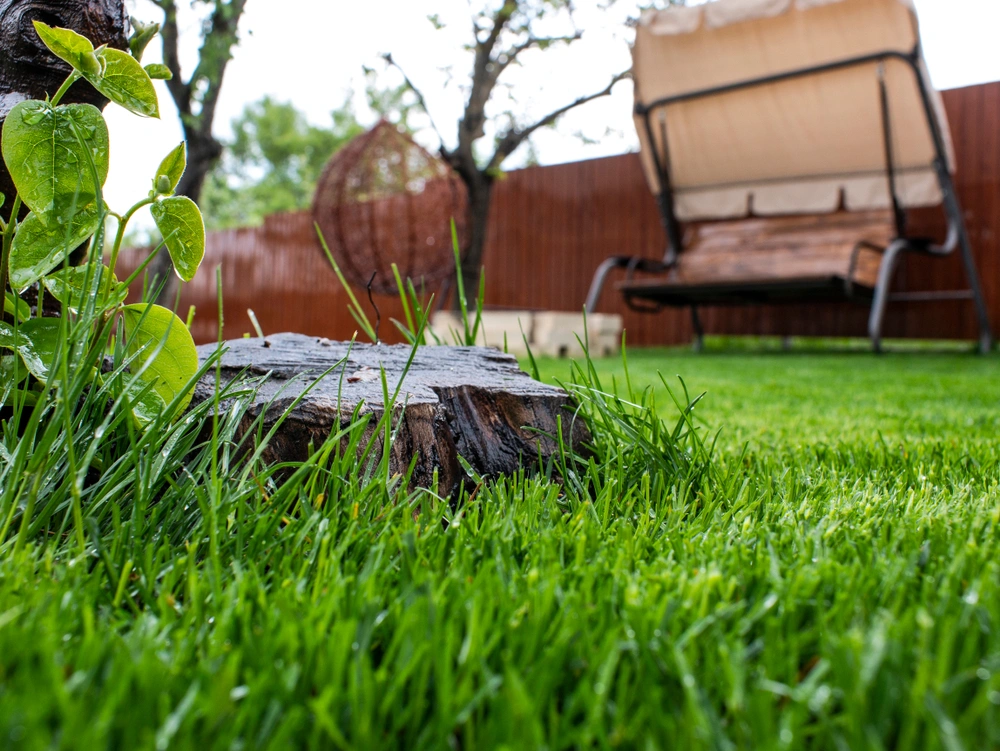
Leaving a tree stump in the ground might seem like a way to save money or avoid extra work after a tree removal. It often leads to ongoing problems that cost more to fix later. We see old stumps turn into safety hazards, pest hotspots and obstacles for landscaping and building projects.
A stump does not simply sit and rot away neatly. It can remain solid for many years, continue to send up new shoots and affect the health and appearance of the surrounding garden. Understanding these risks helps homeowners decide whether stump grinding is worth doing at the same time as tree removal.
A low or hidden stump is an obvious trip hazard, especially for children, visitors or anyone moving around the yard at dusk. Grass or leaf litter can quickly cover the edges of a stump, so people do not see it until they catch a foot on it. For larger properties or rental homes, this can also raise liability concerns if someone is injured.
Stumps can damage equipment as well. Lawn mowers and ride‑on mowers frequently hit old stumps or surface roots. This can bend blades or damage the mower deck, which often costs more than stump grinding would have. When a stump is close to driveways, paths or retaining walls, the remaining roots can also shift as they decay, leading to cracking, sinking or raised sections in hard surfaces.
Many tree species will continue to sprout from the stump and roots after the main trunk is removed. These suckers grow quickly, look untidy and need to be cut back often. Without proper treatment, the root system can stay alive and keep sending up new growth for years.
Persistent regrowth can compete with lawns and garden beds for water and nutrients. In smaller gardens, this competition can affect the health and density of turf or ornamental plants nearby. In some cases, roots from a still‑active stump can invade garden beds or raised planters, making it harder to establish new landscaping.
As a stump slowly decays, it creates an ideal environment for pests. Rotting wood can attract termites, borers, ants and wood‑rotting fungi. While not every stump will lead to a termite problem, it does increase the risk, particularly if the stump is close to the house, shed or deck. Once a colony is established in an old stump, it is easier for termites to spread to structural timber on the property.
Rotting stumps also affect drainage and soil conditions. As the wood breaks down, it can create soft, uneven patches in the lawn and pockets where water collects. This may encourage fungal diseases in turf and make mowing or walking over the area uncomfortable.
From a visual point of view, a leftover stump usually becomes an eyesore. It limits how the area can be used for new planting, garden features or outdoor living spaces. For homeowners who care about presentation or are planning to sell the property, a stump can detract from street appeal and give the garden an unfinished look.
Stump grinding adds an extra line to a tree removal quote, so homeowners often wonder if it is worth it. The answer depends on how the area will be used, how visible the stump is and the level of risk the owner is willing to accept. We weigh the short-term savings of leaving a stump against the long-term cost, safety and usability of the site.
On most residential properties, stump grinding is recommended because it reduces trip hazards, prevents ongoing regrowth and prepares the ground for landscaping or construction work. Skipping this step can seem cheaper at first but often leads to extra costs and inconvenience later.
Stump grinding is usually priced separately from tree removal. The cost is influenced by stump diameter, tree species, access for machinery and how deep the grinding needs to be. Large hardwood stumps or those in tight backyards often cost more because they take longer and may require smaller specialised grinders.
Leaving the stump avoids that immediate cost but can create hidden expenses. Many stumps reshoot, especially species like willow, poplar or some gums. Repeated poisoning or cutting of suckers becomes an ongoing maintenance cost. If the area is later used for a driveway, deck, fence or new planting, the old stump and roots may need to be removed anyway, often at a higher price once structures or new landscaping are in place.
For clients planning to sell their property, an obvious rotting stump or uneven ground can also reduce visual appeal, which may indirectly impact value.
From a safety perspective, stump grinding is one of the simplest ways to make a former tree site safe and low-maintenance. A cut stump left near paths, children’s play areas or lawns presents a clear trip hazard, especially when grass grows over the edges and hides it. Visitors, children or older family members are particularly at risk.
As the stump decays, the ground can become soft and uneven, creating hollows that twist ankles or catch mower wheels. Remaining surface roots can damage mower blades or become obstacles for garden equipment. In some cases, rotting stumps attract pests, which may then move into nearby timber structures.
By grinding the stump below ground level and backfilling with mulch or soil, we reduce hazards and create a stable surface that can be easily mowed or walked on.
How the area will be used is often the deciding factor. If the spot will stay as a natural bush or is well away from traffic, it may be acceptable to leave the stump. In most suburban gardens, owners want a clear, usable space.
Stump grinding allows:
Making full use of every square metre is important. Proper grinding to a suitable depth helps avoid future soil subsidence and ensures the area is ready for whatever the owner plans next, whether that is a lawn, a patio or a children’s play zone.
In the end, stump grinding isn’t just about finishing a tree removal; it’s about making your property safer, more usable and easier to maintain long term. Leftover stumps can create hazards, attract pests, interfere with landscaping plans and lead to unwanted regrowth. For many homes, grinding the stump is the practical step that prevents future problems and truly completes the job. If you’re unsure what’s right for your site, speak with us here at North Shore Tree Services for advice and professional stump grinding.