When a problem tree is affecting a home or investment property, it is natural to assume removal is the only solution. However, approval for tree removal in Sydney can be difficult to obtain, especially where canopy preservation targets, heritage controls, biodiversity protections or local tree management rules apply.
North Shore Tree Services discusses practical alternatives that may reduce risk, protect structures and improve outdoor usability when council approval for removal is unlikely. Targeted pruning, canopy management, root-related investigations, structural support and changes to how the surrounding area is used can often address the main concern without breaching local regulations. Understanding realistic non-removal options can also support more productive discussions with arborists and council officers before further action is taken.
In many North Shore council areas, approval to remove a tree is not automatic, even when the tree feels inconvenient or concerning to the property owner. Councils assess applications against local tree preservation rules, development control plans, environmental controls and the condition, species and location of the tree.
Understanding why approval may be refused helps property owners avoid wasted application fees and consider whether a more practical alternative, such as pruning or risk management, may be more realistic than pursuing full removal.
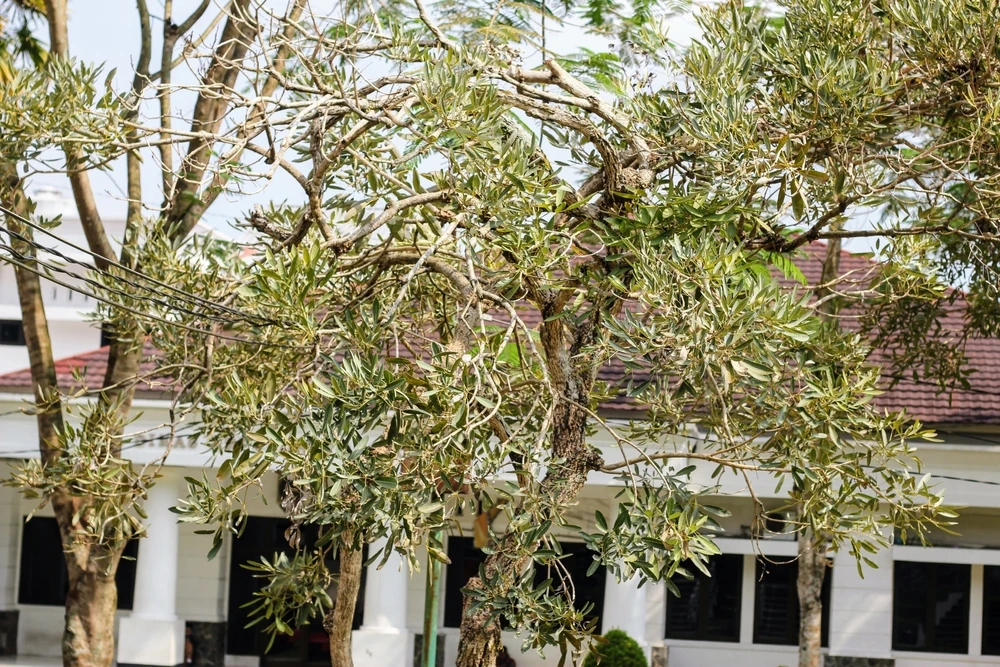
Most councils protect trees based on trunk size, species, height, location and environmental value. If a tree meets these thresholds, council consent is usually required before it can be removed or heavily pruned.
Common reasons a tree may be protected include:
Where a tree is healthy, structurally sound and not causing substantial demonstrable damage, it will usually be retained. Issues such as leaf drop, seasonal shading, blocked views or minor inconvenience are rarely enough to justify removal on their own.
Councils usually require clear evidence that a tree presents an unacceptable risk or is causing serious property damage before approving removal. General concern, personal preference or suspected damage may not meet this threshold.
Approval is often refused where:
Even where some risk exists, councils may still prefer pruning, monitoring or remedial works if the likelihood of failure is low and the tree has strong environmental or visual value.
Mature canopy is strongly protected because it contributes to shade, habitat, stormwater management, urban cooling and local character. A tree that benefits the wider streetscape or neighbourhood is less likely to be approved for removal unless there is compelling evidence.
Approval may be unlikely where the tree:
In these situations, councils often consider nuisance issues to be less significant than the broader environmental and community value of the tree.
Before deciding what to do next, the specific problem caused by the tree needs to be clearly identified. The most suitable alternative to removal depends on whether the concern relates to safety, property damage, light access, maintenance, drainage, development plans or outdoor usability.
This step is important because councils and arborists assess each issue differently. A tree that creates inconvenience may need a different response from a tree that presents a documented safety risk.
The first step is to decide whether the tree poses a genuine safety concern or is mainly creating a nuisance. Councils assess safety concerns very differently from nuisance concerns.
Safety concerns may include:
These issues should be documented with photographs and assessed by a qualified arborist. In some cases, an arborist report may support pruning, partial removal or a renewed application for removal.
Nuisance concerns are common but usually less persuasive. These may include:
For these issues, councils often prefer targeted pruning, gutter guards, garden changes, maintenance planning or acceptance of a reasonable level of natural debris.
Many tree removal applications are driven by concerns about damage to buildings, paving, drainage or underground services. Before choosing an alternative, it is important to confirm whether the tree is actually contributing to the damage.
For cracks in walls, movement in foundations or structural concerns, a structural engineer or building inspector may be needed to determine whether tree roots are a likely factor. Soil movement, poor drainage, ageing construction and inadequate footings can also cause similar problems.
For driveways, paths and paved areas, surface roots may create lifting or cracking. In some cases, selective root pruning, root barriers, flexible paving or minor redesign may resolve the conflict without removing the tree.
For sewer and stormwater pipes, plumber reports or CCTV footage can help confirm whether roots have entered damaged pipework. Councils often prefer pipe repair, relining or replacement with modern materials rather than removing an established tree.
When council approval for tree removal is unlikely, targeted pruning can often reduce the main issue enough to make the tree more manageable. The aim is not to remove as much canopy as possible, but to use the right pruning method for the specific problem.
Most pruning that changes the structure, height or spread of a protected tree may still require council approval. However, well-planned pruning that follows recognised standards is usually more acceptable than full removal and may resolve concerns relating to clearance, light, debris or risk.
Crown reduction involves selectively shortening the height or spread of the canopy by cutting branches back to suitable lateral growth points. It can help reduce shading, lessen branch weight or pull parts of the canopy away from structures.
A proper crown reduction should:
Poor practices such as lopping or topping should be avoided. These methods can create weak regrowth, increase decay risk and make the tree more hazardous over time.
Crown thinning removes selected internal branches to allow more light and air to pass through the canopy while keeping the tree’s general height and shape. This can be useful where the main concern is heavy shade, damp conditions under the tree or excessive canopy density.
Thinning should focus on congested, crossing, rubbing or weak branches first. It should not strip out the inside of the canopy or leave the tree with most of its foliage only at the ends of branches. Over-thinning can stress the tree, reduce stability and attract council scrutiny.
When carried out correctly, crown thinning can improve garden conditions, allow more filtered light into outdoor areas and reduce some moisture-related issues around buildings.
Selective pruning is often the most practical option where the tree is interfering with a specific part of the property. This may involve shortening or removing selected branches rather than altering the whole canopy.
Selective pruning may help with:
Cuts must be made at appropriate branch junctions so the tree can respond properly. Heavy pruning on one side should be avoided, as it can unbalance the tree and increase stress on remaining limbs.
Not every tree conflict requires removal. In many cases, the way the tree interacts with the property can be improved through measured canopy work and better use of the surrounding space.
This is especially useful where the tree is protected but the property owner needs better access, more practical outdoor areas or improved natural light.
Crown lifting can increase clearance beneath the tree by removing or shortening selected lower branches. This may improve access around driveways, paths, lawns, gardens, decks and outdoor living areas.
Crown lifting must be measured rather than aggressive. Removing too many lower branches can leave the tree top-heavy and more exposed to wind loading. Some lower foliage is often important for maintaining balance and structural stability.
Before crown lifting a protected tree, the relevant council requirements should be checked. Some councils specify how much clearance can be created, which branches can be removed and whether approval is required.
Where branches are close to roofs, gutters, solar panels, windows or walls, targeted reduction can help reduce conflict without removing the tree. This may involve shortening individual limbs back to suitable lateral branches or redirecting growth away from structures.
This approach can help:
The work should be limited to what is needed. Excessive cutting can affect the tree’s health, appearance and stability.
Where shade is the main issue, selective thinning is often more appropriate than heavy height reduction. The goal is to allow dappled light through the canopy while preserving the tree’s form and value.
This can improve conditions for lawns, garden beds, patios and living areas without exposing the property to harsh direct sun or damaging the tree. It can also help improve airflow around shaded areas that stay damp after rain.
When removal is unlikely, risk management becomes the priority. This does not mean ignoring the problem. It means using practical measures to reduce the likelihood of branch failure, improve safety around high-use areas and monitor the tree over time.
This is particularly relevant on the North Shore, where mature trees are often located close to homes, shared boundaries, pools, garages and driveways.
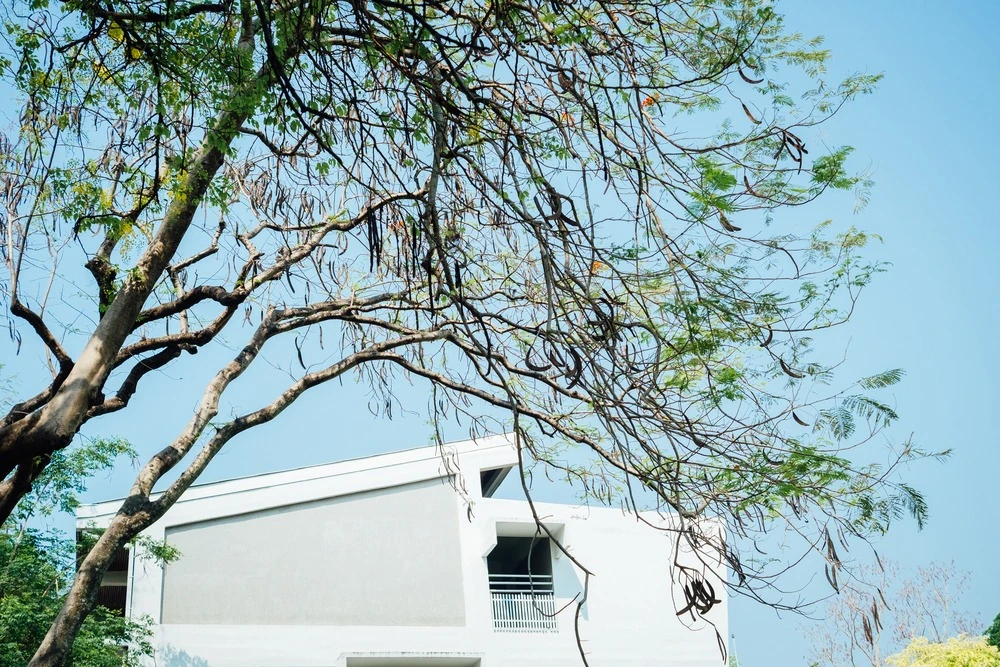
Professional pruning is often the first step in reducing risk. The aim is to remove or reduce parts of the tree that present a realistic hazard while preserving the tree’s natural form.
This may include:
Crown cleaning and selective weight reduction can improve tree safety without resorting to full removal. The work should be based on the actual defects present rather than a general desire to reduce the tree heavily.
Where pruning alone cannot address a structural weakness, support systems may be considered for significant or high-value trees. These may include cabling, bracing or propping to reduce the likelihood of limb or stem failure.
Dynamic cabling, for example, can allow some natural movement while reducing shock loads during high winds. Bracing may be used where a weak union is at risk of splitting. Props may sometimes support large low limbs where retention is desirable.
These systems are not suitable for every tree. They also require inspection and adjustment as the tree grows, so they should only be installed where there is a clear arboricultural reason and an ongoing maintenance plan.
Risk management can also involve changing how the area around the tree is used. If removal is not supported, reducing exposure to potential hazards may be a practical alternative.
This may include:
These measures can reduce the likelihood of people or property being affected if a branch fails.
Even where approval for tree removal is initially unlikely, circumstances can change. A tree that was once healthy and low risk may decline, develop structural defects or become more hazardous due to site changes.
Reassessment should be based on new evidence, not frustration with the original decision. Councils are more likely to reconsider removal where updated information clearly relates to safety, structural damage or legal compliance.
A new inspection may be needed if the tree begins to show signs of decline or instability. Warning signs include:
A qualified arborist can document these changes with photographs, risk findings and recommendations. In urgent cases, some councils may allow emergency works where a tree presents an immediate danger, but the requirements vary between local government areas.
A tree’s risk profile can change when the way the site is used changes. Reassessment may be warranted where:
Updated site plans, arborist assessments, engineering advice or plumbing reports may help support a fresh application.
Council tree management policies, development control plans and vegetation controls can change over time. A tree that was assessed under older rules may need to be considered differently if exemptions, approval pathways or assessment criteria have been updated.
Before resubmitting an application, the current council requirements should be checked. An arborist familiar with local policies can help identify whether removal, pruning or another management option is now more realistic.
Managing a protected tree without approval can create legal, safety and financial problems. Unauthorised pruning, root damage or deliberate harm may result in council enforcement action and can make the tree more dangerous.
The safest approach is to obtain written advice before carrying out any work that could affect a protected tree.
Heavy pruning without approval can be treated as unlawful damage or attempted removal. This is especially true where the tree’s long-term health, structure or appearance is affected.
Avoid:
These practices can increase decay, trigger weak regrowth and make the tree more hazardous over time. They are also easy for councils to identify through photographs, neighbour complaints or site inspections.
Tree damage does not only occur in the canopy. Building, landscaping and excavation works can harm roots and trunks, even when no branches are removed.
Avoid:
Root damage can reduce stability, limit water and nutrient uptake and increase the chance of tree failure. Where excavation, drainage, paving or construction work is planned near a protected tree, professional advice should be obtained before work begins.
When council approval for tree removal is unlikely, the best outcome is often not to keep pushing for removal without evidence. A more practical approach is to identify the exact problem, confirm what council rules apply and consider whether pruning, canopy management, root investigation, structural support or site changes can reduce the issue.
Targeted work can often improve safety, light access, clearance and outdoor usability while keeping the tree protected and compliant. Where the situation is uncertain, early advice from a qualified arborist can help clarify realistic options, reduce unnecessary costs and avoid non-compliant work.