Removing a tree may appear to be a straightforward solution when it is unsafe, diseased or causing problems on a property. However, trees are connected through shared root zones, surrounding soil and the local canopy, so removing one can affect the trees left behind. Changes in wind exposure, sunlight, moisture and soil stability may create new pressures that are not immediately visible.
North Shore Tree Services understands that tree removal in Sydney can affect more than the tree being removed. Careful planning can help identify nearby trees that may be affected by changes in their growing conditions, where mature trees have developed closely together or where one tree has provided shelter from wind and sun.
The sections below explore how tree removal can influence nearby root systems, wind exposure, soil moisture, canopy structure and wildlife habitat. They also cover the signs that may indicate a remaining tree is under stress and when professional inspection can help protect the health and stability of the surrounding landscape.
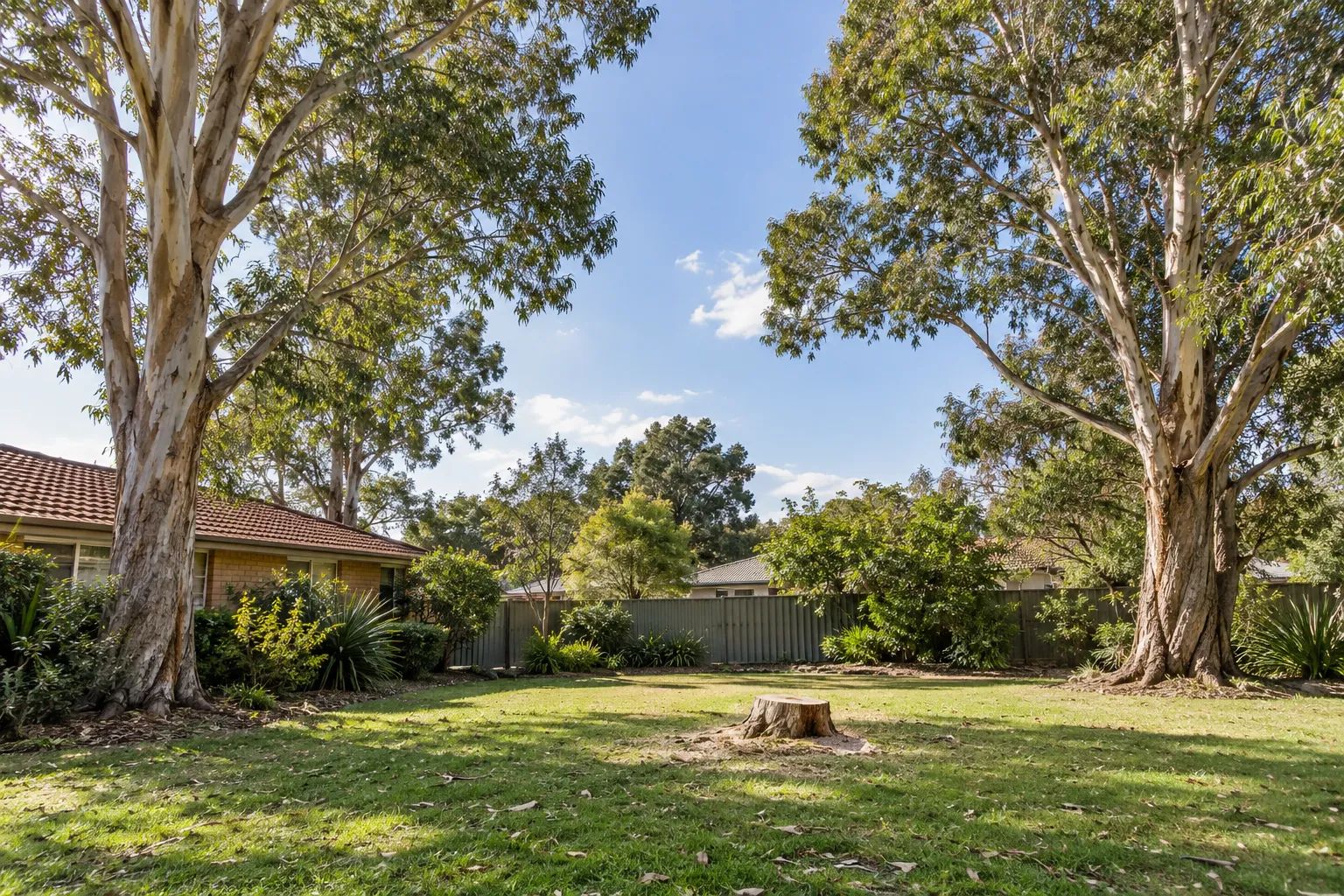
Removing a tree can change how wind moves through the surrounding landscape. A mature tree may have acted as a windbreak, protecting neighbouring trees from strong gusts and reducing movement through their crowns. Once it is removed, previously sheltered trees can become exposed to stronger and more turbulent winds.
This can place additional stress on trunks, branches and root systems, specifically where trees have developed together in a sheltered group. Trees that were not previously exposed to strong winds may be less adapted to the increased loading, which can increase the likelihood of branch damage, leaning or windthrow during severe weather.
The greatest changes may occur in trees immediately besides or behind the removed tree in the direction of prevailing winds. The newly opened space allows stronger gusts to reach their crowns, while turbulence around the gap can cause wind to strike from different directions.
Signs of increased wind stress can include:
Nearby trees should be monitored after the removal of a tree and before and after periods of strong winds. Where new structural changes develop, an arborist can assess whether further tree management is appropriate.
Where appropriate, an arborist may recommend targeted storm pruning to manage damaged or structurally weak branches on newly exposed trees.
Removing a tree can affect nearby root systems, particularly where trees have grown closely together and their roots occupy the same soil. Once one tree is removed, neighbouring trees may lose some of the shelter provided by the surrounding canopy, while changes to the shared soil and root zone can affect local stability and moisture conditions.
The removal process can also damage nearby roots. Machinery, stump grinding, excavation or heavy equipment may compact soil or damage fine roots that neighbouring trees rely on for water and nutrients. This can contribute to reduced growth, thinning foliage or greater stress during hot and dry conditions. However, removing a tree can also reduce competition for water and nutrients, so the effect is not always negative.
Changes may continue as the removed tree's remaining roots decay. Soil can settle within the former root zone, while drainage and moisture conditions may change. Monitoring nearby trees for changes in stability, foliage condition, soil moisture or exposed roots can help identify problems early.
Professional root assessments can help identify signs of root damage or instability in remaining trees.
Removing a tree can expose nearby trees to more direct sunlight, higher temperatures and greater moisture loss. Trees that have grown for years beneath a larger canopy may struggle to adjust to the sudden change if they are naturally shade-tolerant or have thin bark. Increased exposure can contribute to leaf scorch, premature leaf drop, twig dieback or sunscald on previously shaded areas.
Hotter conditions can also increase water demand as leaves lose moisture more quickly and exposed soil dries faster. Trees growing in shallow, compacted or poorly drained soil may be more affected, especially during hot or dry weather. Signs of stress can include wilting, browning leaves, reduced growth and thinning foliage.
Newly exposed parts of a tree should be monitored after removal during hot weather. Changes in foliage, bark condition, soil moisture and dieback can indicate whether a remaining tree is struggling to adapt to its brighter and warmer surroundings.
Tree removal can change soil moisture and drainage because a mature tree no longer draws water from the surrounding soil. The loss of canopy can also expose the ground to more sunlight and wind, increasing evaporation. The effect depends on the tree, soil type, slope, drainage and conditions around the remaining vegetation.
Common changes to soil moisture and drainage include:
Monitoring the area after removal can help identify whether water is collecting, draining too quickly or affecting nearby trees. Where changes occur, irrigation or drainage may need to be reassessed.
North Sydney Council’s tree care guidance explains how mulching and adjusting watering to rainfall can help manage soil moisture around trees.
Some trees are more vulnerable after a nearby tree is removed because they may not be adapted to sudden changes in wind, sunlight and soil conditions. Vulnerability depends on factors such as species, age, root structure, condition and how closely the tree has grown with surrounding vegetation.
Trees with shallow or surface-level root systems may be more vulnerable to increased wind exposure after a nearby tree is removed. Sudden changes in wind loading can increase the risk of root movement, leaning or windthrow where soil is shallow, saturated or unstable.
Trees that have developed in dense groups or beneath a larger canopy can struggle when suddenly exposed to direct sunlight and stronger winds. Tall, narrow trees or those with uneven crowns may be vulnerable to branch damage, sunscald and structural stress.
Mature trees with existing defects, decay, deadwood, previous storm damage or poor foliage condition may have less capacity to adapt to changed conditions. Increased wind exposure or moisture changes can place additional stress on an already weakened tree.
Trees in these categories should be monitored after nearby removal, following strong winds or extreme weather. An arborist can assess changes in stability, crown condition and root movement where concerns arise.
Removing a neighbouring tree can expose structural characteristics that were previously less noticeable. A remaining tree may change its crown shape, branch distribution or lean as it adjusts to the newly opened space and different environmental conditions.
Trees that have developed alongside other trees may have uneven crowns or branches that grew towards available light. After removal, new growth can develop into the open space, changing the distribution of weight through the canopy.
Signs of structural change can include:
These changes do not necessarily mean that a tree is unsafe. However, progressive changes can indicate that the tree is under additional structural stress. An arborist can assess the tree and determine whether pruning, support or other management is appropriate.
Tree removal can increase the risk of failure in nearby trees when it suddenly changes their growing conditions. A tree that was previously sheltered by surrounding vegetation may become exposed to stronger winds, while changes to soil conditions or nearby roots can affect its stability. The risk can be greater when the remaining tree already has structural defects, poor health or a shallow root system.
Warning signs that a nearby tree may have become less stable include:
Tree removal does not necessarily mean that a nearby tree will fail. However, changes in wind exposure, root stability and crown structure can place additional stress on an already vulnerable tree. Monitoring after removal work and arranging an arborist assessment where structural changes are noticed can help identify potential risks early.
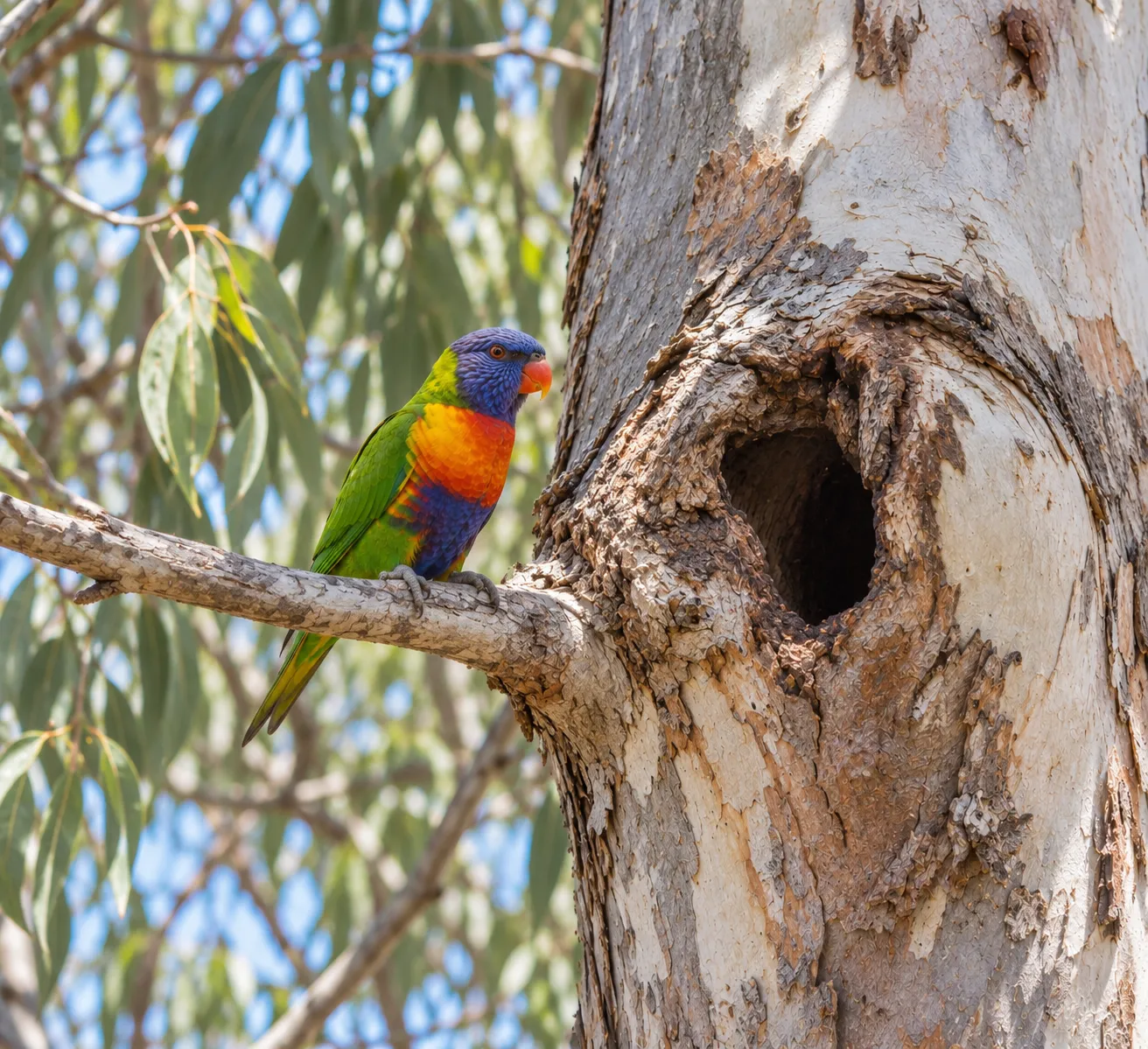
Removing a tree can affect more than the surrounding vegetation. Mature trees can provide shelter, nesting sites, food sources and movement corridors for birds, insects and other wildlife. Even when only one tree is removed, the loss of these features can reduce available habitat and change how wildlife uses the surrounding area.
The effect depends on the size, age and condition of the tree and the habitat features it provides. A mature tree with hollows, dense foliage, flowers, fruit or loose bark may support considerably more wildlife than a young tree.
Tree canopies protect from weather and predators, while branches and foliage can provide locations for birds and other animals to shelter or nest. Removing a mature tree can reduce the number of protected spaces available nearby.
The impact may be greater where several trees form a connected canopy. Removing one can create a larger gap and reduce the continuity of shelter between remaining vegetation.
Trees can provide flowers, fruit, seeds, bark and other resources that support insects, birds and other animals. Removing an established tree can reduce access to these resources when it has provided food or shelter for many years.
Deadwood and natural cavities, including tree hollows, can provide habitat for wildlife. However, trees with structural defects may still require professional assessment where safety is a concern.
Where removal is necessary, retaining suitable vegetation nearby can help reduce the overall loss of habitat. Replacement trees or suitable native shrubs can restore some shelter and food resources, although new plantings will not immediately provide the same habitat value as an established mature tree.
Where practical and safe, suitable habitat features can also be retained or reused. Planning replacement planting around the existing landscape can help maintain habitat continuity while supporting the health and stability of remaining trees.
Nearby trees should ideally be inspected before tree removal, shortly after the work is completed and again during the following months or after major storms. This helps establish their condition before removal and monitor how they respond to changes in wind exposure, sunlight, soil moisture and root conditions.
Ongoing monitoring is important when a large or mature tree has been removed, when surrounding trees were heavily sheltered or when the site has shallow or unstable soil. If changes in stability or tree health are noticed, an arborist can assess the remaining trees and determine whether further tree care is required.
After a tree is removed, nearby trees can respond to changes in wind exposure, sunlight, soil moisture and root conditions. Monitoring the area in the weeks and months after removal can help identify signs of stress or instability before they become more serious.
Any changes in the health, stability or structure of a nearby tree should be assessed by a qualified arborist. Early inspection can help determine whether monitoring, pruning or other tree management is needed as the remaining trees adjust to their new conditions.
Removing a single tree can affect the health, stability and growing conditions of the trees around it. Changes in wind exposure, sunlight, soil moisture and root conditions may place additional stress on neighbouring trees when they have grown together for many years. Careful planning and follow-up monitoring can help identify these changes early and reduce the risk of structural problems or decline.
North Shore Tree Services can assess the condition of surrounding trees before and after removal to help identify potential risks and determine whether additional pruning, monitoring or other tree care is needed. Considering the wider landscape rather than treating each tree as an isolated feature can help protect the remaining trees and maintain a safer, healthier property.