When considering the removal of a tree on a residential property or any tree services in Sydney, it quickly becomes clear that the process is not simply a matter of routine maintenance. In Sydney, particularly across the North Shore, tree removal is tightly regulated, with councils requiring clear justification, formal assessment and approval before any work can proceed. What may initially appear to be a straightforward task is instead governed by detailed planning controls, environmental policies and structured application requirements.
This article explores why councils apply strict controls to tree removal and what drives these decisions in practice. It examines how urban canopy targets, biodiversity obligations, risk management and local planning frameworks influence whether a tree can be removed. By understanding how these factors interact, property owners and stakeholders can approach tree management more strategically, minimise delays or compliance risks and work with experienced professionals such as North Shore Tree Services to achieve outcomes that are practical and aligned with requirements.
Many homeowners are surprised to discover that cutting down a tree on private property can require formal approval from the council. What feels like a simple gardening decision is treated in planning law as an environmental and safety issue that affects the wider community. As a result, routine-looking work such as removing a large backyard tree or even heavy pruning can fall under strict controls.
Most councils use detailed Tree Preservation Orders or similar instruments that specify which species, sizes and situations need approval. These rules often apply even to trees that a homeowner planted personally or that appear to be causing a nuisance. Understanding why the regulations exist helps explain why applications are carefully assessed and why unauthorised removal can attract substantial fines.
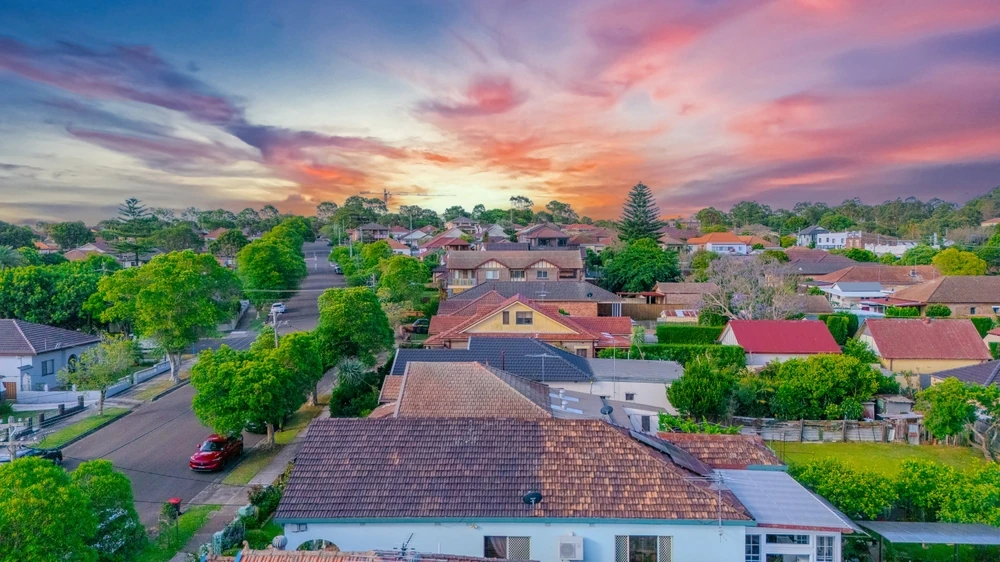
Tree controls are not only about individual trees. Councils are charged with protecting the overall canopy cover that delivers shade, privacy and amenity to whole streets and suburbs. The North Shore is known for bushland corridors and leafy streets that are highly valued by residents and buyers. Unchecked removal across hundreds of private properties would quickly erode this character.
Regulations typically focus on trees above a certain height or trunk diameter, often measured at 1.4 metres above ground. Mature canopy trees are prioritised because they take decades to replace. Councils also consider how trees contribute to a consistent streetscape. A single prominent gum or angophora may be protected because it anchors the visual character of a cul-de-sac or ridgeline. Approval is less about who owns the land and more about the tree’s role in the broader landscape.
Sydney councils operate under state legislation that requires the protection of biodiversity and native vegetation. Tree removal controls are one of the main tools used to meet these obligations in urban areas. This is significant where many properties adjoin reserve creek lines or mapped wildlife corridors.
Hollows in mature eucalypts provide essential habitat for species such as microbats, owls and native parrots. Even apparently isolated trees can act as stepping stones for birds and arboreal mammals moving between larger bushland areas. When assessing an application, councils often look at species, whether the tree is indigenous or locally significant and whether it provides nesting or roosting sites. This ecological perspective explains why approval might be refused even if the tree is inconvenient for lawn growth or pool maintenance.
Regulation is also shaped by risk management and legal liability. When a tree fails and causes damage, insurers, experts and occasionally courts may scrutinise previous council decisions. Removing a sound tree without solid justification can expose a council to claims that it neglected environmental duties. Allowing excessive pruning that destabilises a tree can also have consequences if the tree later fails.
Councils set clear criteria that focus on objective risk indicators such as structural defects, disease extent of root damage or clear interference with approved building works. Purely aesthetic reasons or minor leaf drop are rarely enough for removal approval. Councils also consider precedent. If one property is allowed to remove a healthy tree for a new view or easier mowing, many neighbours are likely to expect the same treatment, which would rapidly reduce canopy cover. Strict, consistent regulation is used to avoid that incremental loss.
Sydney councils now treat tree removal as a planning issue rather than a simple maintenance task. Rapid loss of tree canopy across the metropolitan area has forced councils to tighten controls on what can be removed, where and under what circumstances. Residents often experience this as stricter permits, more paperwork and more refusals than in the past.
This shift is driven by measurable declines in urban canopy and a clearer understanding of how trees affect heat, flooding, property damage and local amenity. Councils are under pressure from state targets, climate data and community expectations, which have made preserving existing mature trees a central priority in development and residential decision-making.
Over the past decade, detailed aerial mapping has shown that many suburbs have lost canopy cover despite long-standing tree protection rules. Infill development, larger building footprints, basement parking and subdivision have all contributed to fewer big trees in backyards and on streets.
State and local government benchmarks now set specific percentage targets for urban canopy. When new mapping shows a suburb slipping backwards, councils respond by:
Because the data is publicly reported, planners and councillors must show that approvals are not contributing to further net loss. That pressure flows directly into stricter assessments of individual tree applications on private land.
Rising urban heat has become one of the strongest drivers of changed priorities. Shadeless streets and backyards can be several degrees hotter in summer, which affects health, energy use and local liveability. Councils now view every established canopy tree as a piece of heat mitigation infrastructure that takes decades to replace.
Tree loss also increases stormwater runoff, which adds pressure to drainage systems and increases localised flooding. As a result, large trees near waterways, slopes or overland flow paths are often treated as critical assets rather than optional landscaping.
At the same time, councils must still manage genuine safety risks. The focus has shifted from removing any tree that might fail to managing risk through pruning, monitoring and requiring professional arborist reports. A defective tree is more likely to be approved for removal, while a healthy but inconvenient tree is not.
Tree canopy analysis has shown that most loss occurs during building works rather than through general household maintenance. This has led to:
Larger replacement specimens or multiple new trees may be required to compensate for one mature tree. Councils increasingly refer to canopy volume and shade potential rather than simple tree counts, making it harder to justify removing large established trees without compelling structural or safety reasons.
Council rules around tree removal are not just red tape. They are designed to protect specific environmental and community values that are easily lost if trees are removed too freely. Understanding what councils are trying to safeguard helps explain why permits are required and why applications are sometimes refused or heavily conditioned.
These protections are written into Local Environmental Plans (LEPs), Development Control Plans (DCPs) and Tree Preservation Orders (TPOs). Although details vary by council, the underlying objectives are very similar across Ku-ring-gai, North Sydney, Willoughby, Lane Cove and neighbouring LGAs.
Mature trees provide critical habitat for native wildlife that cannot simply be replaced with small ornamental plantings. Hollows used by possums, lorikeets, kookaburras and microbats can take many decades to form. When an old eucalypt or angophora is removed, a whole micro‑ecosystem disappears with it.
Sensitive areas such as riparian zones along creeks or bushland interfaces usually attract the strictest controls. In these locations, even smaller native trees may need consent because they contribute to habitat structure, shade and leaf litter that supports insects, reptiles and small birds.
Councils have explicit canopy cover targets to counter urban heat and maintain the leafy character that defines the region. Large trees cool surrounding streets and homes through shade and transpiration, reducing heat stress and reliance on air conditioning.
Tree preservation controls aim to prevent a slow thinning of this canopy as individual trees are removed for convenience, views or minor development. Once a mature tree is lost, it can take 20 to 30 years for a replacement to provide equivalent shade, privacy and visual screening.
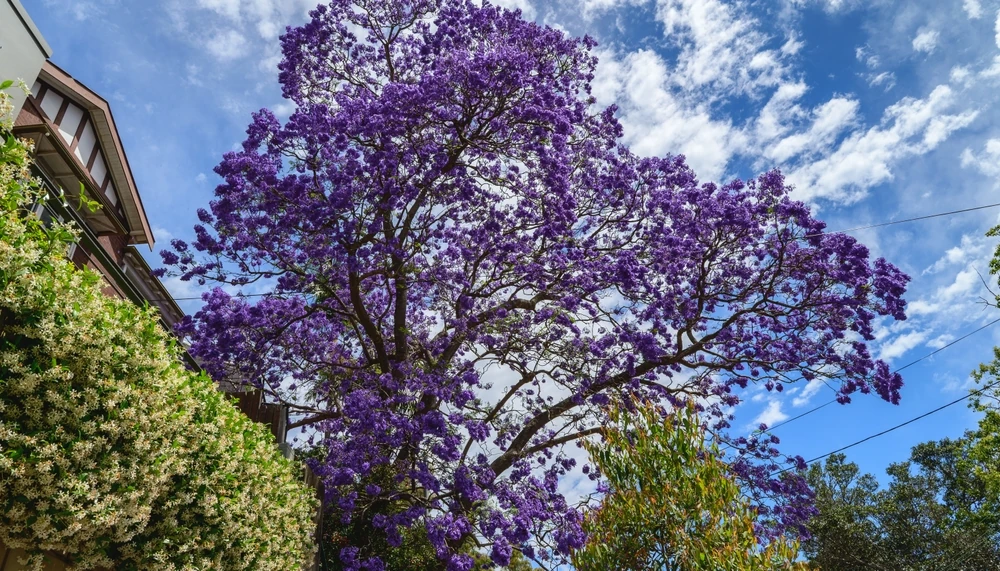
Neighbourhood character is another key factor. Streets lined with jacarandas, angophoras or figs are often identified in DCPs as landscape features. Councils assess removal proposals against the impact on the streetscape, not just the individual property. A single missing tree can create a visual gap that changes the feel of an entire block.
On sloping sites and near waterways, root systems play an important role in holding soil together and reducing erosion. Councils are particularly cautious about removing large trees on batters, embankments or near retaining walls because destabilisation can lead to subsidence or damage to neighbouring properties.
Trees also intercept rainfall and help manage stormwater. Loss of canopy can increase runoff, worsen local flooding and reduce water quality in creeks through higher sediment loads. For this reason, planning controls often link tree retention with on‑site drainage design and landscaping.
Property ownership does not provide an automatic right to remove or heavily prune trees. Even when a tree is fully inside a boundary fence, local planning laws and tree preservation controls still apply. Attempting to rely on “it is my land, so I can do what I like” is one of the fastest ways to incur fines or compliance orders from the council.
Local tree controls sit within a broader framework of planning and environmental legislation. These laws treat vegetation as a community asset that must be managed carefully, not just a private feature that can be removed for convenience or aesthetics.
Local tree controls are designed to protect more than just the visual amenity of a single property. Councils are required to consider broader interests that override individual preference in many situations, including:
For example, a tall native tree that shades several backyards or forms part of a canopy corridor will usually be assessed in terms of its contribution to the wider neighbourhood, not just the impact on one owner’s view or leaf litter problem. Even when a tree is inconvenient, unattractive or drops debris, these factors are rarely enough on their own to justify removal under council controls.
Local controls do not completely ignore private interests. They simply require that health, safety and reasonable development needs be proven and managed within the rules. Tree removal or heavy pruning on private land is more likely to be approved where:
Councils expect professional arborist reports and accurate information before making a decision. Private preference alone does not override these legal controls, which is why unauthorised tree work on private property is treated as a serious planning breach across Sydney.
Many property owners are surprised to learn that reasons that feel completely valid at home do not automatically satisfy council criteria for tree removal. Sydney councils assess trees as part of the wider urban forest, so personal inconvenience is only one small part of the decision. A tree that seems problematic to a homeowner may still be considered highly valuable in terms of canopy cover, habitat and streetscape character.
Understanding why typical complaints are often rejected helps avoid costly non‑compliance and repeated applications. Councils focus on objective risk and environmental value rather than preference or aesthetics, so applications must demonstrate genuine hazard or unavoidable impact.
Excessive leaf litter blocked gutters and constant sweeping is among the most common frustrations, yet they rarely justify removal on their own. Councils regard leaf fall, twigs, fruit and small branch drop as normal characteristics of trees, not defects. Properties in leafy suburbs are expected to manage maintenance as part of regular property care.
Complaints about shade are also treated cautiously. Loss of lawn or reduced sunlight to a garden is usually not enough unless the shade creates a clearly documented safety or health problem, such as severe mould growth on hard surfaces that cannot be mitigated by pruning or cleaning. Councils often recommend gutter guards, pruning or resurfacing slippery areas before considering any removal.
Blocked views are rarely accepted as a valid reason for removal under Sydney council policies. View loss is seen as a private amenity issue, while trees are a public environmental asset. Even if a tree has grown significantly since a property was purchased, councils will typically prioritise the tree’s contribution to canopy cover over view restoration.
Overshadowing of solar panels is handled in a similar way. Councils may be prepared to consider selective pruning to improve solar performance, but full removal is uncommon unless the tree is small, young or has low ecological value. Many councils expect panel placement to account for existing trees at the design stage rather than using solar installation as a later justification for removal.
Minor structural impacts, such as lifting of paving fences or garden edging, are also rarely enough. These issues are often seen as repair or redesign problems, not grounds to remove a mature tree. Councils may suggest root barriers, flexible paving systems or re‑routeing paths before agreeing that a tree must go.
Replacement planting is central to why councils can appear so strict about tree removal. When a mature tree is approved for removal, councils usually require one or more new trees to be planted to ensure the overall canopy cover is not lost over time. The focus is not only on the single property but also on the combined impact on the broader urban forest across the suburb and the local government area.
These policies recognise that a large, established tree may provide shade, cooling and habitat that cannot be matched immediately by a sapling. Replacement planting is therefore structured to gradually restore and eventually increase canopy cover so that the area does not experience a long‑term decline in tree benefits.
Councils typically set canopy targets in their urban forest or street tree strategies. When a protected tree is removed, replacement planting conditions aim to keep the council on track towards those targets rather than allow a slow erosion of cover.
Mature canopy trees provide:
Various conditions often specify minimum container size, planting location and clear space for growth. The objective is not token planting but the establishment of long‑lived structure trees that can deliver a real canopy once mature.
Replacement planting conditions usually nominate or limit species to ensure canopy goals are met alongside biodiversity objectives. Councils commonly encourage locally native species that are adapted to sandstone soils and local rainfall patterns.
Choosing the right species is critical. A small ornamental tree will never replace the shade and habitat of a tall eucalypt. For that reason, council conditions often require:
This careful selection supports habitat corridors for native birds and wildlife and helps keep the local urban forest resilient to pests, diseases and climate extremes.
Councils also understand that planting a tree is only the first step. Replacement planting conditions frequently include timeframes for planting, minimum maintenance periods and, in some cases, inspection or evidence of establishment.
Typical requirements may include:
Some councils reserve the right to require replanting if the new tree dies within a specified timeframe. This ensures that replacement planting translates into a lasting canopy, not short‑term compliance for paperwork only.
Before lodging a tree removal application with a Sydney council, it is critical to prepare properly. Councils expect homeowners to show that removal is a last resort, that risks are genuine and that alternatives have been considered. Thorough preparation not only improves the chance of approval but also reduces delays, extra inspections and unexpected conditions.
A structured approach starts with confirming the rules that apply to the property, gathering clear evidence and then obtaining professional advice. Skipping these steps often results in rejected applications or costly rework.
Councils generally require a valid reason for removal, such as demonstrable risk to people or property, damage to structures or severe ill health of the tree. Claims without evidence are commonly rejected.
Homeowners should document:
Relevant supporting documents can include the engineer’s reports, the plumber’s CCTV findings, the roofers’ notes or insurance correspondence. This material should be organised and ready to attach to the council form.
Most councils strongly prefer or require a report from a qualified consulting arborist. This report carries far more weight than a homeowner’s opinion and helps council staff assess risk and options.
Before applying, homeowners should:
The arborist’s opinion should then be reflected accurately on the application form. Where the arborist recommends removal and provides a clear risk or health rationale, councils are far more likely to approve the work, provided replacement planting or offsets are also proposed.
Sydney councils are strict about tree removal, not out of bureaucratic habit but because the urban forest is a critical public asset that supports community safety, amenity, biodiversity and long-term resilience. The regulatory framework that homeowners experience as complex is designed to balance private property rights with the wider environmental and social benefits that mature trees quietly deliver every day. By understanding how planning controls tree registers, risk assessments and development conditions all work together, residents can navigate the system more effectively, avoid costly penalties and plan tree works in a way that satisfies both legal obligations and practical needs.